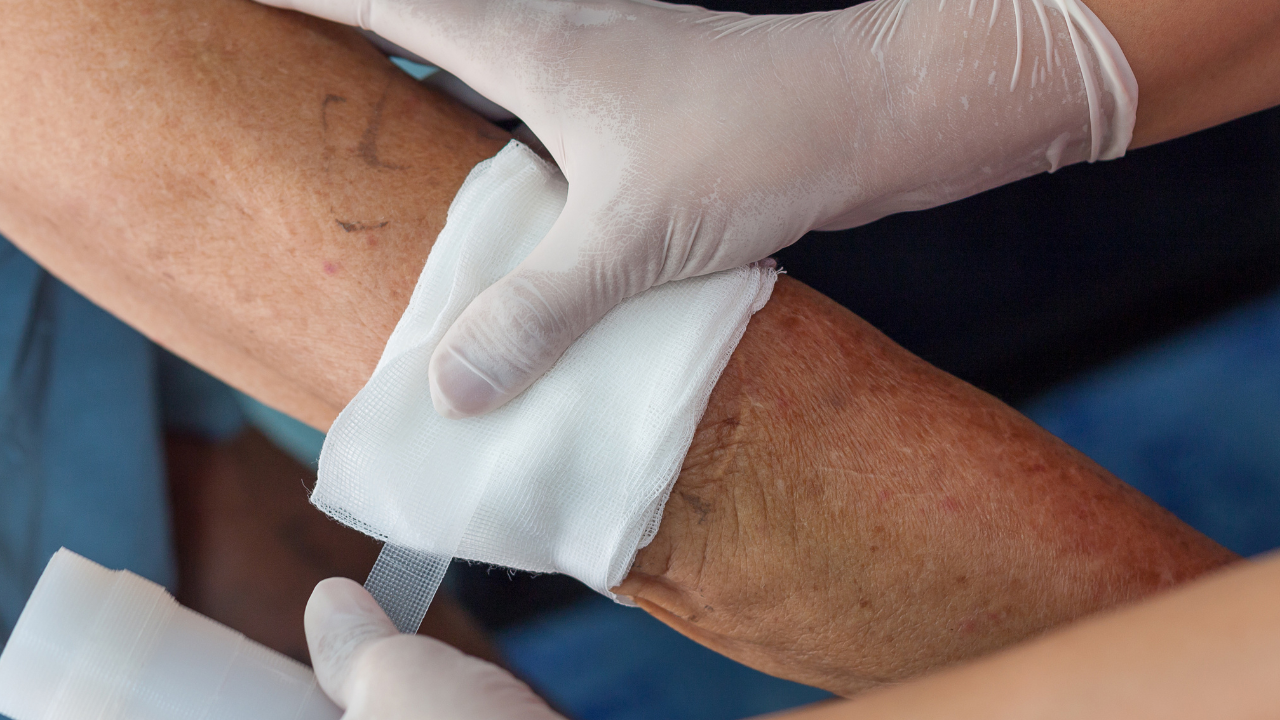
Vascular patients may experience persistent pain from non-healing wounds. These complications require specialized treatment, and medical professionals use specific methods to address them. Proper intervention helps reduce discomfort, which makes daily activities more manageable. Here is more information on chronic wounds and professional wound care:
What Are Chronic Wounds?
Chronic wounds are lesions that do not progress through the normal stages of healing. They typically stall during the inflammatory phase, and they can persist for months without showing signs of improvement. Medical providers focus on specific wound care strategies that address this delayed healing. This systematic attention helps restart the natural cellular repair mechanisms.
What Are the Different Types?
Vascular patients may develop specific types of ulcers due to circulatory deficiencies. Venous stasis ulcers occur on the lower legs, and they result from poor blood circulation in the veins. These lesions are typically shallow but cover a large surface area, sometimes producing significant fluid drainage.
Arterial ulcers form when reduced arterial blood flow damages localized tissue. These injuries often present with a “punched-out” appearance, and they primarily affect the toes or outer ankles. The lack of oxygenated blood makes these specific wounds painful. Patients may experience increased discomfort when elevating the affected limb.
Diabetic foot ulcers stem from a combination of neuropathy and restricted circulation, and patients may not feel the initial injury due to nerve damage. This lack of sensation allows the lesion to worsen unnoticed, triggering complications. These wounds frequently develop on weight-bearing areas of the foot. Prompt medical evaluation stops the tissue destruction from reaching the bone.
What Is Professional Wound Care?
Professional wound care involves clinical interventions designed to promote tissue repair in non-healing injuries. Specialized medical professionals assess the injury, and they create a targeted plan based on the underlying vascular condition. This systematic approach aims to remove biological barriers to healing, thereby preventing further complications such as serious localized infections.
What Does It Entail?
The clinical process begins with a thorough evaluation of the affected area and surrounding skin, and providers may measure the lesion’s dimensions. They also check for signs of bacterial growth. Treatment methods may include mechanical or enzymatic debridement, which removes dead or infected tissue from the wound bed.
Providers apply advanced dressings to maintain a balanced moisture level in the affected area. Compression therapy can be used for venous ulcers, and offloading techniques relieve pressure for diabetic foot ulcers. The dressings require scheduled changes, which keep the environment sterile. Medical staff may instruct patients on how to monitor the site at home between appointments.
What Are the Benefits?
Structured interventions offer clinical advantages for individuals dealing with prolonged recovery times. Specialized treatments reduce localized swelling, and they can lower the overall risk of systemic infections. Healing rates may improve when providers utilize targeted medical therapies. The tissue regenerates faster under controlled clinical conditions.
In addition to physical healing, this systematic approach helps manage persistent pain. Advanced dressings protect exposed nerve endings, and regular cleaning prevents painful bacterial buildup. The reduction in inflammation may correlate with decreased physical discomfort. Some vascular patients experience improved mobility as the tissue begins to repair itself.
Manage Your Pain Today
Dealing with non-healing lesions requires direct medical intervention to prevent worsening physical conditions. Clinical oversight offers vascular patients a reliable way to reduce physical suffering. The therapies target the biological causes of delayed healing, and professional evaluation helps manage long-term tissue health. Contact a local vascular specialist to discuss available treatment options.