A body hair transplant is a procedure that uses hair from one part of the body to add density in another area, most often the chest, beard, or eyebrows. It is usually recommended when scalp donor hair is limited or when a specialist needs a different hair type for a specific area. The process involves removing individual hair follicles from a donor site and placing them into small openings in a new area. Treatment steps are planned in advance, and the procedure is tailored to individual patients’ hair characteristics, goals, and available donor supply. Here’s information on body hair transplant procedures and what to expect:
Harvesting Body Hair
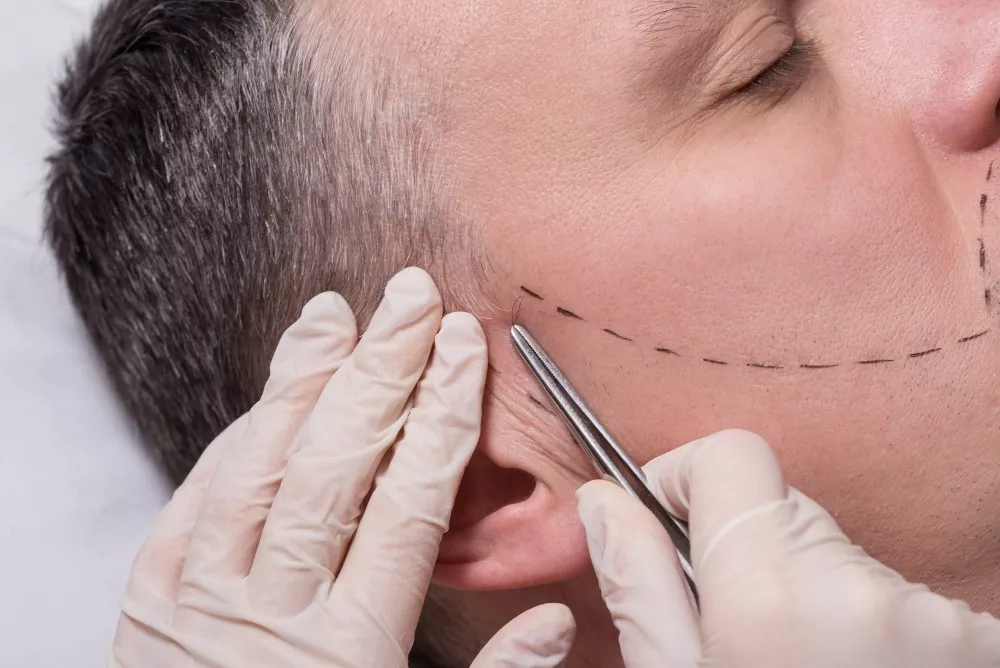
The first stage of a body hair transplant is identifying a suitable donor area. A specialist examines hair thickness, curl, color, and growth pattern, as body hair does not always match scalp or other body hair areas. The donor area is trimmed, cleaned, and numbed with local anesthetic, and then the specialist removes individual follicular units with a small tool. This method is often similar to follicular unit extraction, but body hair requires careful handling because the follicles can sit at different angles and depths.
Each graft is inspected and sorted after removal, and the team keeps the follicles in a controlled solution until implantation. The goal is to preserve the grafts while limiting damage during handling. Specialists also determine how many grafts can be removed without making the donor site look uneven, so planning is a key part of the process. Some common donor areas for a body hair transplant include:
- Beard or Mustache
- Eyelashes
- Chest
- Abdomen
Not every area is suitable for every patient, and the choice depends on hair quality, donor-site visibility, and the recipient area’s needs.
Implanting the Hair
After harvesting the follicles, the specialist prepares the new treatment area. This stage usually includes cleaning the skin, marking the placement pattern, and using a local anesthetic. Tiny recipient sites are then created based on the intended direction and spacing of the hair. These details matter because they affect how natural the final distribution appears. The grafts are implanted one by one, and placement can take several hours depending on the number of follicles used.
Patients are generally awake during this procedure, but the treated areas stay numbed. Some clinics split the process into stages, while others complete it in a single session. Recovery is usually straightforward, but it still requires attention to aftercare instructions. Mild redness, swelling, pinpoint scabbing, and temporary tenderness can occur in both the donor and recipient areas.
Patients are often advised to avoid rubbing the treated skin, heavy exercise, and direct sun exposure for a period of time. Washing instructions are usually specific, and follow-up visits may be scheduled to monitor healing. Small crusts often form around the implanted follicles, and these usually loosen gradually as the skin recovers. It is also common for transplanted hairs to shed after placement, before new growth begins.
Improving Hair Fullness Over Time
Body hair transplant results develop in stages rather than all at once. In the early period, the treatment focus is on healing and graft stability. After the initial shedding phase, new growth begins gradually over the following months. The recovery timeline varies by patient and by donor hair type. Fullness improves as more transplanted follicles enter active growth cycles, but the final appearance may continue to change over time.
Some hairs may grow shorter, finer, or with a different texture than the surrounding hair. For that reason, specialists discuss expected density, likely blending, and whether multiple sessions are needed to achieve effective coverage. A body hair transplant can add coverage in selected areas, but it does not create unlimited density. Careful graft selection and realistic planning help shape the final outcome.
Contact a Hair Transplant Specialist
If you are thinking about a hair transplant, schedule a consultation with a hair restoration specialist. The evaluation typically includes a review of donor areas, the condition of the treatment site, and the possible results based on your hair characteristics. A specialist can explain the procedure and help you decide whether body hair is an appropriate donor source.