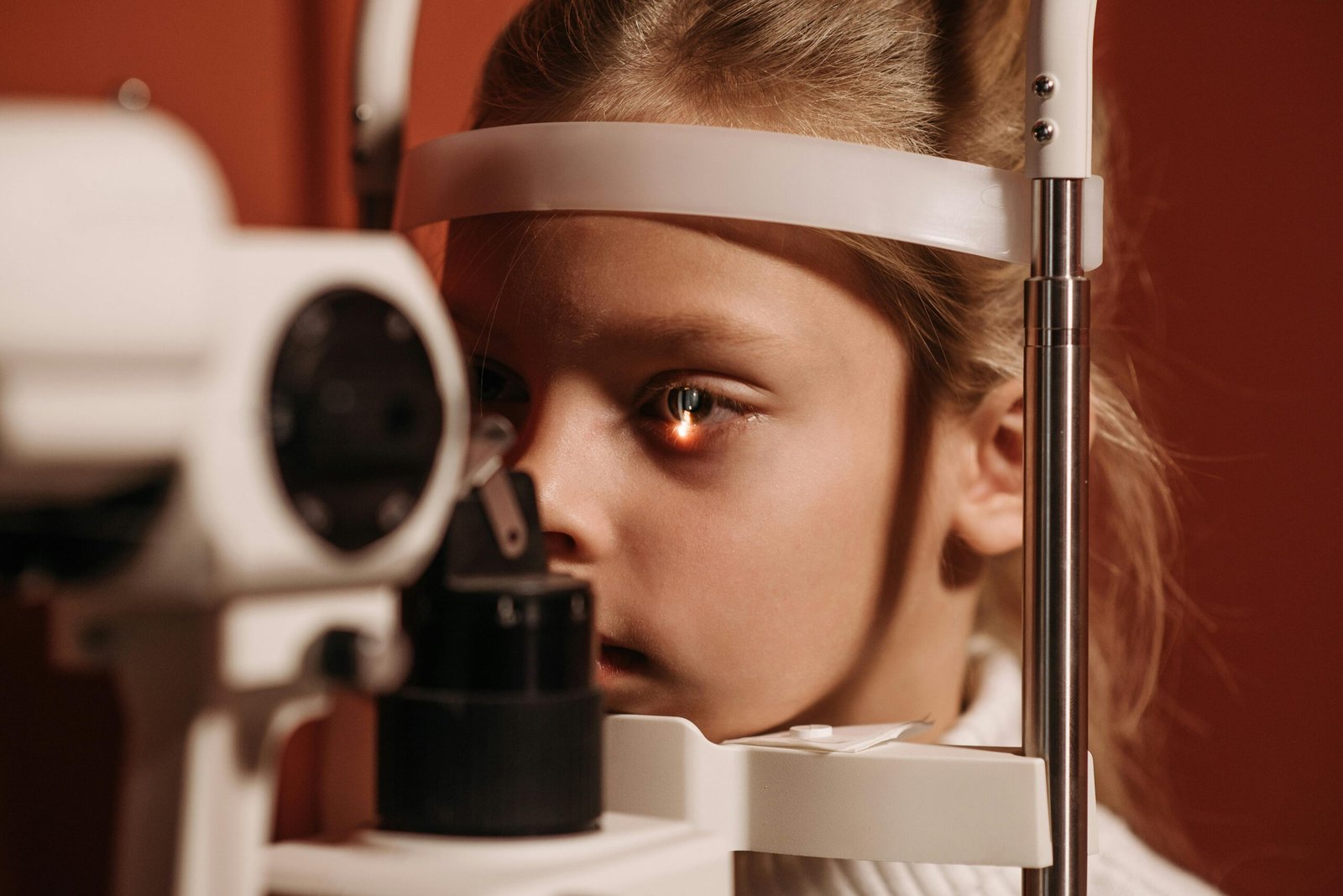
Eye exams can do more than assess vision changes or determine the need for corrective lenses. They can detect signs of broader health concerns, including conditions that affect the blood vessels, nerves, and other parts of the body. Here is more information on the connection between eye exams and systemic health:
Identifying Whole-Body Health Clues
The anatomy of the eye provides a unique view of the body’s vascular network. Eye exams allow practitioners to observe blood vessels in their natural state without surgical intervention. If a patient develops hypertension, the fragile retinal vessels often show early signs of damage. The doctor documents these structural changes, and the patient receives a referral to a primary care physician. Systemic health issues often manifest through inflammation in various ocular structures. An optometrist looks for specific markers during comprehensive eye checkups, and these findings help guide overall medical treatment.
Detecting Disease Early
Medical professionals identify several serious health conditions through standard eye exams. An eye doctor may detect abnormalities during a routine visit, even though a patient appears healthy. Here are some serious conditions optometrists watch out for:
- Diabetes: High blood sugar damages retinal blood vessels, causing tiny leaks that an optometrist can see.
- High blood pressure: Hypertension forces blood vessels in the eye to bend or narrow abnormally.
- High cholesterol: A yellow or blue ring around the cornea often indicates elevated cholesterol levels.
- Thyroid disease: Protruding eyes or retracting eyelids may point to hyperthyroidism.
Detecting these diseases in their initial stages is fundamental for effective medical management. Doctors use these early clues to prescribe medication, or they suggest immediate lifestyle changes.
Monitoring Chronic Conditions
Individuals with existing health conditions require regular eye exams to monitor disease progression. Diabetes is a prime example of a chronic illness that requires consistent vision monitoring. When blood glucose fluctuates unpredictably, the resulting vascular damage may lead to diabetic retinopathy over time. Doctors record these changes meticulously, and they adjust systemic treatments based on the clinical findings.
Hypertension also requires ongoing surveillance through scheduled eye check-ups. Elevated blood pressure causes visible strain on retinal vessels, which may increase cardiovascular risk. If the optometrist detects worsening vessel constriction, the primary care provider alters the patient’s blood pressure medication accordingly.
Incorporating Preventive Eye Care Habits
Patients can maintain optimal ocular and systemic health by adopting specific habits. While genetics plays a role in disease development, lifestyle choices also significantly influence overall well-being. Preventive care reduces the risk of vision loss, and it supports the long-term health of the entire body. Here are some preventive habits eye doctors may recommend:
- Nutritional diet: Consuming leafy greens and omega-3 fatty acids may support retinal integrity and cardiovascular health.
- UV protection: Wearing sunglasses outdoors prevents cumulative ultraviolet damage to the cornea and lens.
- Screen time management: Reducing digital eye strain can prevent associated headaches.
- Smoking cessation: Quitting smoking can lower the risk of macular degeneration and improve systemic vascular function.
These proactive measures complement the clinical benefits of eye exams. Patients can incorporate these habits into their daily routines to reduce the risk of vision-related complications.
Schedule Your Eye Exams Today
Regular eye check-ups provide a clear and non-invasive assessment of visual acuity and systemic health. These clinical evaluations detect early signs of chronic diseases, and they monitor existing conditions with high precision. Contact a qualified optometrist in your area to schedule your eye exams today.