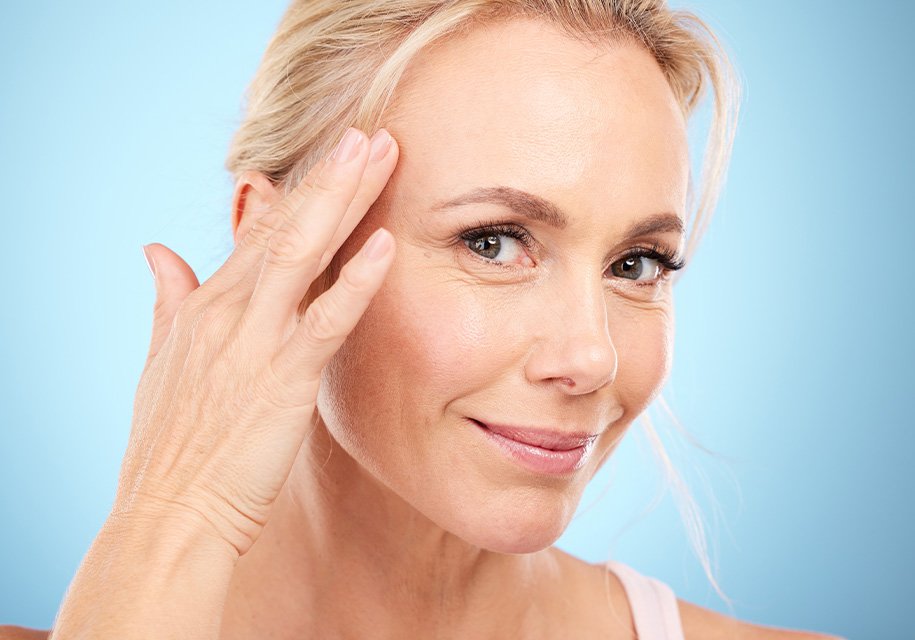
Fat grafting is a cosmetic procedure that transfers soft tissue from one area of your body to another. This technique helps restore youthful contours in areas like the face, hands, or breasts, and it supports long-term volume replacement. By using your own tissue, the process offers a way to add structural support without relying on synthetic implants. Here is some information about the role of fat grafting in restoring youthful contours:
Creates Definition
Aging causes structural changes in bone density and tissue distribution throughout the body. These shifts lead to a loss of structural support, especially around the jawline, chin, and cheekbones, and this alters facial contours. Fat grafting places precise amounts of purified tissue into these zones to rebuild the underlying physical framework. You might notice clearer lines and sharper angles on the lower face once the transferred fat has settled. The transferred fat integrates with surrounding tissues, and it establishes a lasting, defined shape as it is incorporated into the area. Small, strategic injections create subtle enhancements rather than dramatic alterations.
Restores Volume
Hollow areas frequently appear beneath the eyes, at the temples, or across the midface as we grow older. Subcutaneous fat also decreases, and the overlying skin looks less plump. Fat injections address this issue by replenishing the lost structural material with living, healthy cells.
During fat grafting, a surgeon harvests excess fat from your abdomen or thighs using liposuction. They purify the collected cells, isolate the best tissue, and inject it into the sunken regions. Because the injected material consists of your own cells, it acts as a permanent volume replacement. Some initial swelling happens during recovery, but the settled fat remains securely in place for years. You receive a fuller look that reflects your previous facial proportions.
Provides Natural Results
Synthetic dermal fillers work well for temporary fixes, but they often feel different than the surrounding native tissue. Transferred fat blends with your anatomy because it naturally belongs there. Your immune system also recognizes its own cells, and this reduces the risk of allergic reactions or rejection. When you touch the grafted area after it has healed, it feels like normal skin and soft fat. The physical integration process creates smooth transitions between the newly augmented zones and the rest of your face. There are not usually obvious signs of cosmetic intervention.
Improves Skin Quality
Transferred fat usually contains native stem cells and growth factors that interact with the overlying skin tissue. These biological elements promote new collagen production within the dermis over several months. You will likely observe a steady improvement in:
- Texture
- Firmness
- Tone
The skin can also appear healthier as the blood supply increases to support the newly placed fat cells. Fine lines and minor wrinkles often soften, and the skin thickens from the renewed collagen structure. This underlying structural support adds a helpful secondary layer of rejuvenation.
Learn More About Fat Grafting
Fat grafting offers a practical method to refine your contours using your body’s own natural resources. The procedure targets areas of volume loss; this establishes a supportive framework that looks and feels natural. Contact a cosmetic surgeon today to learn more about fat grafting and other anti-aging procedures.