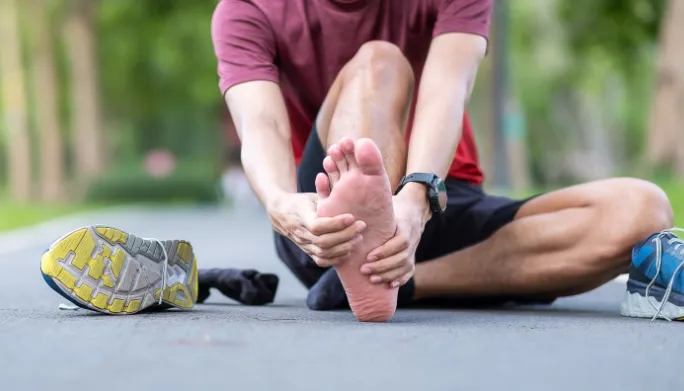
Sports medicine focuses specifically on the physical fitness of active individuals. Orthopedics deals directly with the musculoskeletal system, and it supports athletic development. Because dedicated athletes push their physical limits daily, they require specialized medical attention. Here is more information on how orthopedics and sports performance overlap:
Injury Prevention
Doctors evaluate joint movement patterns, and they identify potential injury risks early. If structural weaknesses exist in the joints, specific exercises build needed stability. Proper physical conditioning protects vulnerable ligaments during high-impact athletic activities.
When athletes wear correct athletic footwear, they may reduce impact stress on their legs. Biomechanical assessments highlight poor physical posture during regular weekly training sessions. Trainers correct these physical flaws, so the overall risk of injury decreases significantly.
Performance Optimization
Orthopedic specialists analyze muscle balance for maximum athletic power output. Because targeted strength training aims to improve speed, specialists track specific output metrics:
- Joint range of motion
- Muscle contraction rates
Medical teams monitor these recovery metrics, and they adjust daily practice workouts.
Proper sleep aids muscle recovery, and hydration maintains optimal joint lubrication. Dietitians create specific meal plans for different athletic performance goals. While genetics dictate certain physical traits, consistent training maximizes natural athletic potential. Whenever athletes alter their running mechanics, they change their energy efficiency.
Small technique adjustments in sports medicine yield measurable improvements in overall sprint times. Advanced wearable technology tracks individual heart rates during intense workouts. As players reach their maximum exertion limits, the sensors transmit real-time data. Analysts review this fitness information, and they prevent dangerous physical overexertion.
Care Collaboration
Surgeons repair damaged connective tissues, and physical therapists guide the recovery phase. While the body heals naturally, structured interventions accelerate the entire process. This multidisciplinary approach clearly aligns all medical and athletic team goals. Because communication breaks down easily, regular staff meetings keep everyone updated.
The athletic trainer alters drills, or the recovering player rests for another day. Medical professionals address the mental blocks associated with severe physical trauma. When athletes trust their healed bodies completely, they perform without hesitation.
Primary care physicians monitor overall health, and they perform routine blood tests. Unless blood panels show deficiencies, players continue their standard supplement routines. Holistic medical oversight protects the long-term physical well-being of the entire team.
Rehabilitation Techniques
After the initial tissue swelling subsides, patients may begin light stretching exercises. Electrical stimulation aims to prevent severe muscle atrophy during prolonged clinic bed rest. Ultrasound modalities are used to reduce localized inflammation, and cold therapy numbs acute joint pain.
Elastic resistance bands provide safe therapeutic tension for healing knee joints. Aquatic therapy removes heavy body weight, so recovering patients move freely underwater. As muscular flexibility improves steadily, physical therapists introduce sport-specific dynamic movements. Healing takes continuous time, but structured rehab protocols accelerate the timeline safely.
These may include:
- Strengthening exercises using resistance bands to rebuild muscle support around the joints.
- Range-of-motion exercises to maintain flexibility and prevent stiffness.
- Various forms of therapy to reduce swelling and improve circulation in the affected area.
- Low-impact cardio, such as cycling or swimming, to promote endurance without overloading the injury.
Schedule Sports Medicine Services
If you experience persistent joint discomfort, seek a medical evaluation promptly today. Professional guidance prevents recurring structural issues, and it protects your athletic longevity. Contact a local orthopedic clinic to book your initial fitness assessment.