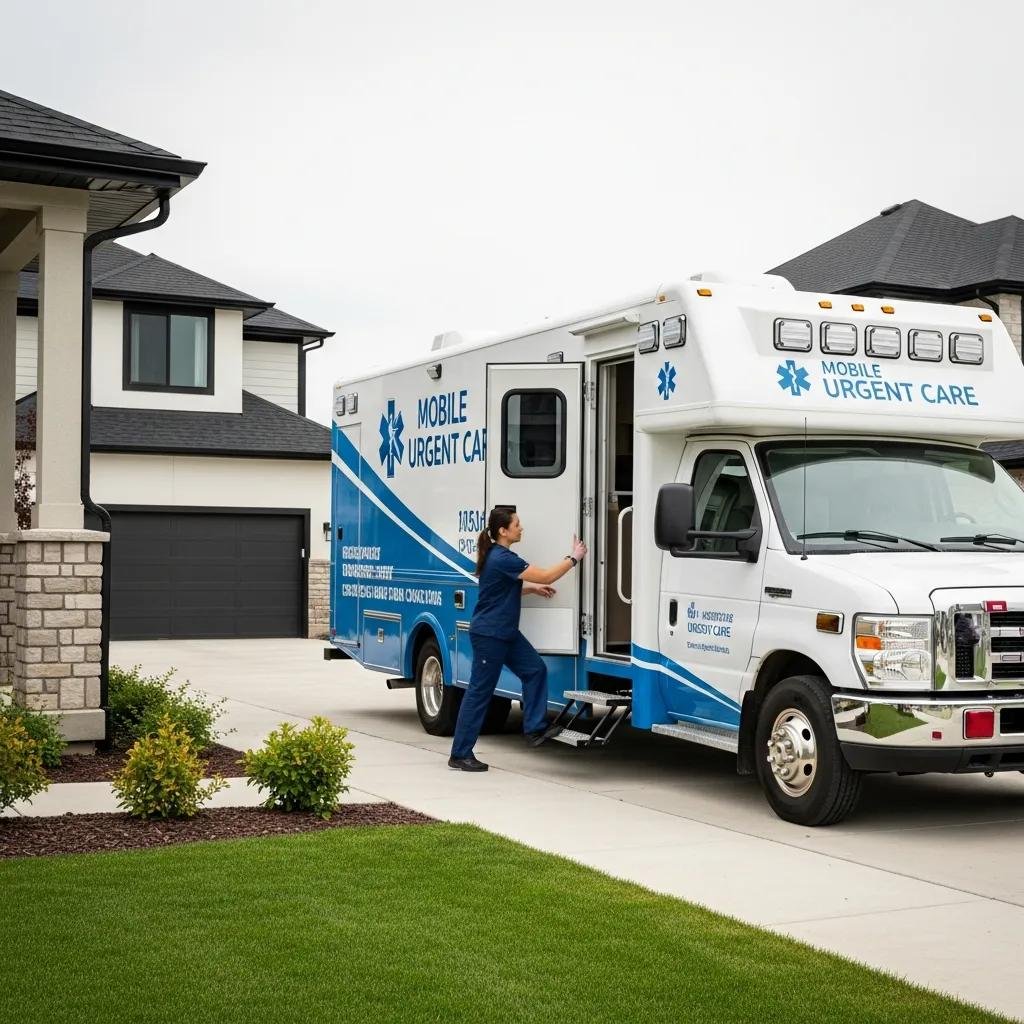
An urgent care facility is a walk-in clinic that treats conditions that are not life-threatening but still need prompt attention. These centers fill the gap between your primary care doctor’s office and a hospital emergency room. They typically handle minor injuries, illnesses, and infections, and many offer extended evening and weekend hours. To prepare for an emergency, knowing where to go for urgent care beforehand can be helpful. Here’s information on urgent care centers and how to maximize your experience:
Find Locations Beforehand
Take a few minutes to look up the urgent clinics closest to your home, workplace, and any places you visit often. The best time to research urgent care options is before you actually need one. Save their addresses, phone numbers, and hours in your phone so the information is ready when a situation arises. Not all urgent centers offer the same services; some have on-site X-ray machines and lab testing, while others focus on basic care.
Check each location’s website to learn what they treat and whether they accept your insurance. Confirming these details early keeps you from going to a clinic that cannot help with your specific needs. It also helps to note the busiest times at your preferred location. If your situation or injury allows flexibility, visiting during quieter hours can shorten your wait.
Bring Key Medical Information
Arriving prepared makes your urgent care visit smoother for both you and the staff. Bring a valid photo ID and your insurance card, since these are usually required at check-in. Beyond the basics, bring the medical details that will help staff understand your history. You can do this in advance of an emergency situation to help you act quickly. Include a list of your:
- Current Medications
- Known Allergies
- Existing Health Conditions
If you have recent test results or records related to your visit, bringing copies can be valuable. Write down your symptoms and when they started before you arrive. A short, clear summary helps you communicate quickly, and it reduces the chance of forgetting a key detail. Parents visiting on behalf of a child should also bring the child’s vaccination records if they are relevant to the reason for the visit.
Know When To Visit the ER
Urgent centers and hospital emergency rooms serve different purposes, and choosing the right one matters. Urgent care is designed for conditions that need attention within a day but are not severe or life-threatening. Some common injuries that urgent facilities treat include minor cuts, sprains, mild fevers, sore throats, and ear infections.
A hospital emergency room handles serious and potentially life-threatening situations. Signs that someone is having a more severe emergency include chest pain, difficulty breathing, severe bleeding, sudden weakness or numbness, major burns, and loss of consciousness. If someone shows these symptoms, calling emergency services or going straight to the ER is the safer choice.
When you are unsure which option fits your situation, err on the side of the higher level of care. The distinction is not always obvious, and a quick assessment can guide your decision. Many urgent care centers will also refer you to an emergency room if your condition requires more advanced treatment. Understanding this difference in advance helps you respond appropriately when a health concern arises.
Find an Urgent Care Near You
By researching locations early, keeping your key information organized, and understanding when a situation calls for the emergency room, you position yourself to handle unexpected health needs with confidence. These steps may reduce delays and help the staff focus on your care more efficiently. Take time today to identify a reliable urgent care center in your area and save its details for future reference. Knowing where to go before an issue arises removes guesswork on where to get care. If you have any questions, contact an urgent center near you for personalized information.