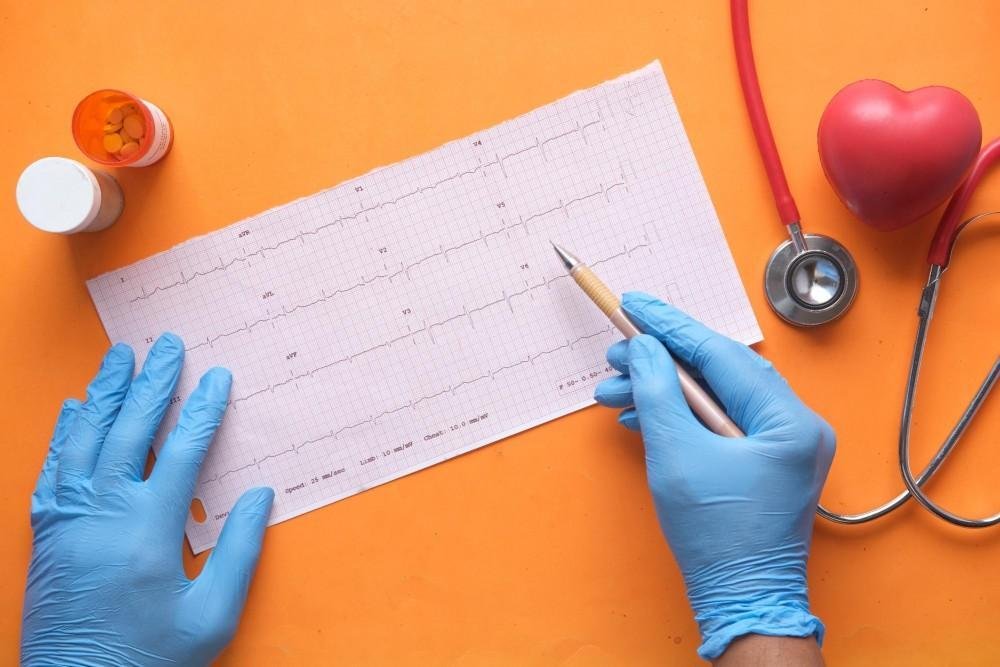
Heart disease narrows arteries and disrupts blood flow to the heart, and it develops over many years through a buildup of plaque within your blood vessels. When left untreated, it leads to serious health complications like heart attacks or strokes. A cardiologist recommends treatment options to manage symptoms and support your heart health. Here are some common treatments for heart disease:
Lifestyle Changes
Adopting new daily habits, such as diet and exercise, serves as the foundation for managing heart disease. Eating vegetables, whole grains, and lean proteins can help lower blood pressure and cholesterol levels. Saturated fats and excess sodium strain your cardiovascular system. Instead of processed foods, try incorporating fresh fish, nuts, and olive oil into your weekly meals. Moving your body regularly strengthens the heart muscle; walking, swimming, or cycling provides cardiovascular workouts that limit stress on your joints. These adjustments require daily dedication, but they help you control your health journey. Making shifts slowly helps build lasting routines.
Prescriptions Medications
When daily habits need additional support, doctors often prescribe medications to manage your symptoms. Some of these include:
- Statins lower cholesterol levels by blocking a substance your body uses to make it; this helps prevent plaque buildup inside your arteries.
- Blood pressure medicines relax your blood vessels, reducing the workload on your heart.
- Beta-blockers slow your heart rate, which decreases the force of heart muscle contractions.
- ACE inhibitors widen your blood vessels to improve blood flow throughout your body.
- Antiplatelet drugs, like aspirin, prevent blood clots from forming and blocking narrow vessels.
Take these prescriptions as directed by your healthcare provider. Skipping doses or changing your routine often disrupts your treatment plan. Your doctor will monitor your progress, and they adjust dosages to minimize side effects while maximizing results. Keep an up-to-date list of all your medications, as this helps prevent adverse drug interactions and keeps your treatment safe.
Medical Procedures
If your arteries become severely blocked, surgical procedures restore normal blood flow to your heart muscle. Angioplasty involves threading a thin tube through a blood vessel to the affected area. A tiny balloon is inflated to widen the artery, and a wire mesh tube is left in place to keep it open. This procedure usually requires a short hospital stay and helps relieve chest pain quickly.
Coronary artery bypass grafting offers another option for severe cases. Surgeons take a healthy blood vessel from your leg or chest to create a new route around the blocked artery. This open-heart surgery demands a longer recovery period in the hospital. Your medical team will review your condition to determine if you need these interventions. Recovery takes time, and cardiac rehabilitation programs guide you safely back to daily activities. These structured programs provide monitored exercise and education to help strengthen your heart after surgery.
Manage Heart Disease
Living with heart disease requires a dedicated approach to your daily health. Your doctor will help you navigate lifestyle modifications, medications, and potential procedures to create a personalized plan. Staying informed about your condition empowers you to make the best choices for your future. Schedule an appointment with a cardiology team today to discuss a personalized care plan.