Heart palpitations are the sensation of an abnormal heart rhythm. A cardiologist is a medical doctor who specializes in the heart. These specialists diagnose cardiovascular conditions, and they develop specific treatment plans for their patients. Here is more information on this condition and how a cardiologist can help manage it:
What Are Palpitations?
Palpitations describe a specific set of physical sensations related to a person’s heartbeat. A patient may feel their heart fluttering or notice a rapid heartbeat. These events are a conscious awareness of cardiac muscle contractions. This awareness occurs suddenly, and it may resolve without immediate medical intervention.
The sensation can occur during physical exertion, and it also happens at rest in certain cases. Some patients may report feeling their heartbeat in their chest. Others notice it in their neck or throat, describing it as a pounding sensation. These events vary in duration, and they can occur infrequently or multiple times a day.
What Causes Them?
Various physiological factors trigger abnormal heart rhythms. High levels of stress cause the heart to beat faster, and caffeine consumption produces a similar physical response. Certain medications stimulate the cardiovascular system. Doctors may look for underlying medical conditions by testing for thyroid disorders or anemia.
Structural issues within the heart also produce irregular rhythms. Problems with the heart valves disrupt normal blood flow, and electrical abnormalities interfere with the cardiac cycle. Medical professionals identify these structural causes through specific testing procedures. Identifying the exact cause guides the treatment approach, helping the doctor create a specific plan.
What Do They Feel Like?
The physical experience of this condition varies among patients. A person may feel a temporary skipping sensation in their chest or experience a prolonged fluttering feeling. The heartbeat sometimes feels unusually strong. The heart can beat at an accelerated rate, and this rapid rhythm is known as tachycardia.
How Can a Cardiologist Help?
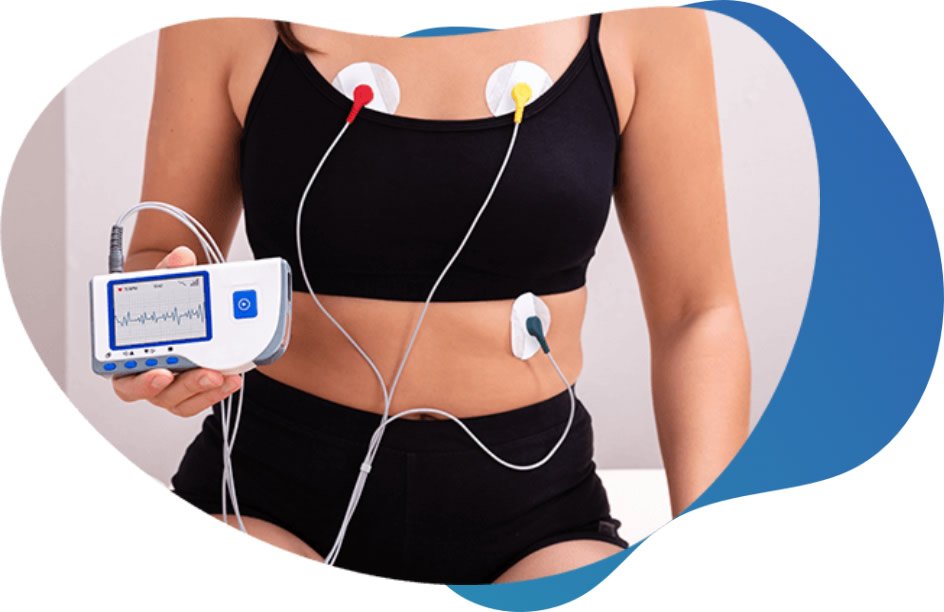
A cardiologist uses specific medical tools to evaluate the heart’s function. The doctor usually performs an electrocardiogram (ECG), which records the heart’s electrical signals. This non-invasive procedure provides immediate information about the cardiac rhythm. The results highlight potential irregularities, and they guide further diagnostic decisions. A doctor may also request continuous monitoring for a set period.
How Is Professional Care Beneficial?
Medical care provides patients with a diagnosis of their condition. Finding the root cause helps to stop the progression of underlying diseases. A cardiologist identifies specific risks associated with the irregular rhythm, and they determine whether the condition requires aggressive treatment. They may also suggest simple lifestyle modifications.
A tailored treatment plan addresses the specific cause of the symptoms. Some patients require prescription medications to regulate their heartbeat, and others need procedures to correct electrical pathways. The specialist monitors the patient’s progress over time. The doctor adjusts the treatment as needed by scheduling regular follow-up appointments.
Visit a Cardiologist Today
Heart palpitations require proper medical evaluation by a qualified specialist. A cardiologist diagnoses cardiovascular conditions, and they have access to specialized testing equipment. A doctor provides targeted treatments that help patients manage the condition effectively. Schedule an appointment with a cardiologist to discuss your symptoms.