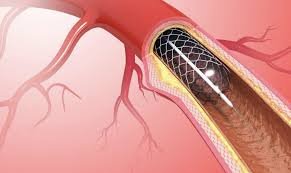
Cardiac catheterization accurately maps the delicate blood vessels of your heart, and this is performed to identify potential blockages. Doctors insert a thin tube into a major blood vessel and gently guide it to your heart. Because this advanced procedure provides highly detailed images, medical teams diagnose underlying heart conditions with incredible precision today. Here are some of the benefits of cardiac catheterization to diagnose any heart conditions you may have:
Addresses Plaque Buildup
Plaque blocks arteries slowly, but this diagnostic test spots these dangerous blockages early. The tiny catheter clearly displays the exact location of these dangerous, narrowed paths on the high-definition medical monitors. When cholesterol plaque narrows your coronary arteries over time, less oxygen-rich blood reaches your heart muscle. Modern imaging tools reveal the arterial damage early.
Because doctors see the blockages directly on the screen, they plan highly precise treatments for you. Sometimes the arteries look clear, or they only show mild narrowing during the visual examination. The medical team may find hidden fatty deposits during this thorough diagnostic examination of the coronary arteries. Since blockages restrict blood flow, physicians address them promptly.
Evaluates Pumping Function
Your heart steadily pumps oxygenated blood throughout your body to sustain your daily physical activities. If the heart muscle weakens from disease, it struggles to push blood forward at a normal healthy rate. Cardiac catheterization measures pressure inside the heart chambers directly, and it calculates the overall blood flow accurately. Weakened pumping limits your daily physical energy levels significantly.
They check the oxygen levels in the blood, and they carefully assess the mechanical valve function. While the flexible tube sits securely in the chamber, doctors take precise pressure readings of the heart. This specific functional information directly guides your future medical care to manage your heart condition effectively. Symptoms vary widely among patients, so these exact measurements guide tailored care.
When symptoms dictate, doctors choose the tested side carefully. The cardiologists measure the cardiac ejection fraction carefully to understand your overall heart strength today. Doctors check the right side of the heart, and they thoroughly evaluate the left side too. Because they monitor the heart rhythm continuously, they record all diagnostic data safely.
Enables Immediate Treatment
Doctors often treat diagnosed problems during the same procedure to save you time and discomfort. This combined approach saves you valuable time, and it greatly reduces your total number of hospital visits. When they spot a severe issue on the monitor, doctors perform helpful interventions immediately. They find blockages, and they fix them with these actions:
- Placing stents
- Opening valves
- Closing holes
Provides Lower-risk Alternative
Open heart surgery requires long recovery periods, but this minimally invasive method uses a tiny incision. Because cardiac catheterization rarely needs general anesthesia, you wake up faster and experience less discomfort during recovery. You usually go home much sooner, and you typically get back to your daily routines quickly. While both methods address heart issues, this approach limits surgical risks and helps you recover in a familiar environment.
Schedule Cardiac Catheterization Today
Cardiac catheterization offers a detailed and efficient way to diagnose heart conditions while minimizing recovery time. This procedure provides valuable insights into your heart’s health, enabling your medical team to make informed decisions about your care. By addressing potential issues early, you take proactive steps toward maintaining your overall well-being. If you are experiencing symptoms or have concerns about your heart health, consult your healthcare provider about cardiac catheterization.