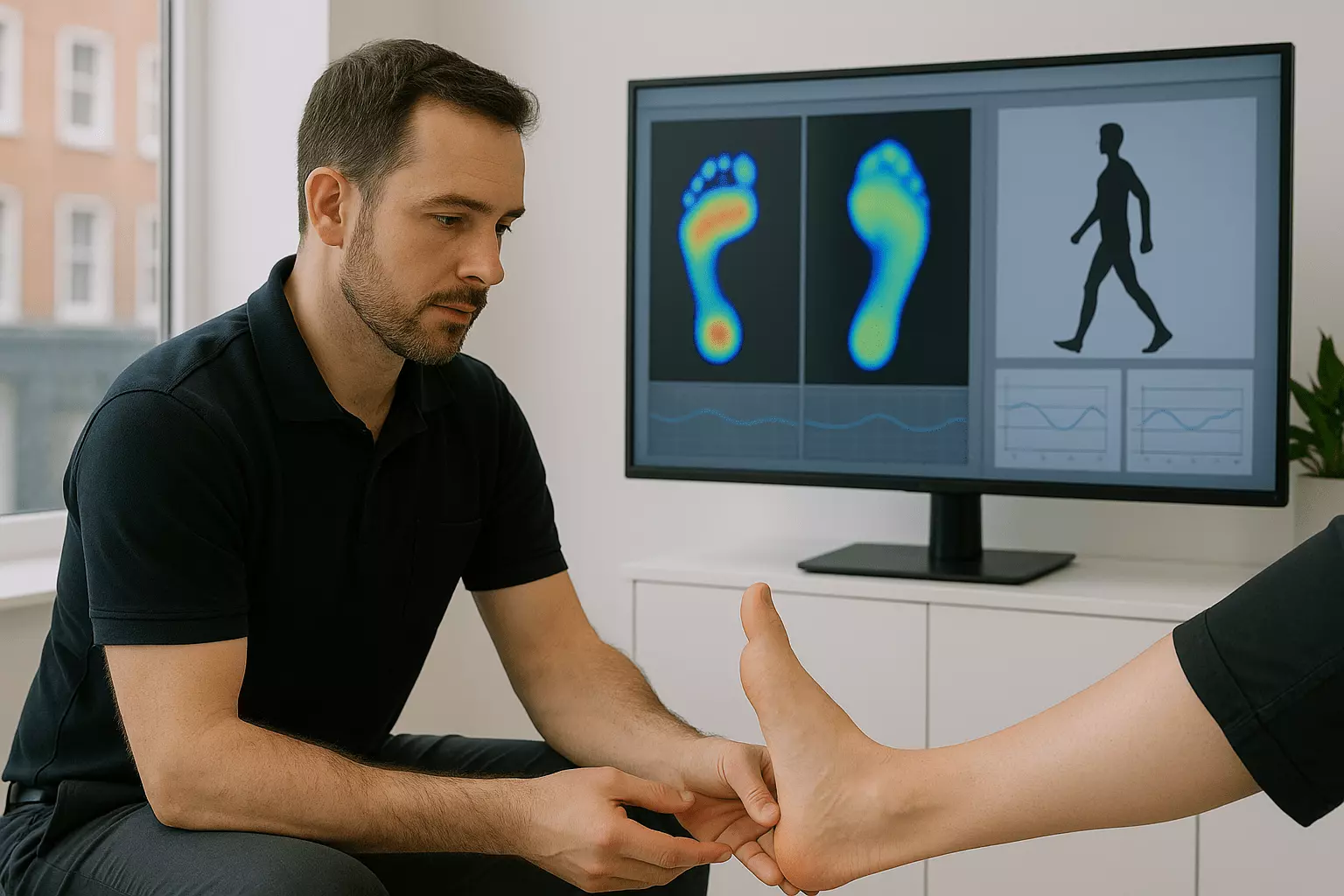
Podiatrists operate as highly specialized medical providers, and they treat various foot and ankle conditions. You rely on your feet daily, and they require proper medical attention for optimal health. When sudden foot pain strikes, these educated doctors help distressed patients find quick relief. Here is more information on how to find the right podiatrist:
Identify Foot and Ankle Needs
Patients must carefully assess their specific physical symptoms directly before medical consultations. Because daily foot issues vary widely, you must pinpoint your exact level of physical discomfort. Some individuals repeatedly experience sharp heel pain primarily during their early morning running routines. Others deal with chronic toe stiffness constantly, but extended rest periods provide brief temporary relief.
If you currently require advanced diabetic foot care, you need a doctor with distinct background training. Specific nerve conditions demand specialized knowledge, and generalist doctors may lack this highly targeted medical focus. Documenting your daily physical pain patterns clearly guides your initial podiatrist search toward the right specialist.
Check Areas of Specialty
Medical clinics typically feature diverse treatment focuses, and you must review their exact service menus. Advanced sports medicine clinics primarily treat acute running injuries among active community members. While some doctors regularly perform complex surgeries, others manage conservative treatments like custom orthotics. Pediatric podiatrists treat young growing children, but geriatric specialists strictly focus on older adult mobility.
Certified doctors pass rigorous medical exams initially, and they maintain their knowledge through education. These necessary credentials are typically found by cautious patients on official medical clinic websites. When a practicing physician lacks clear credentials, uninformed patients face unnecessary physical medical risks.
Unless the selected medical clinic directly lists your specific health issue, you might waste a visit. Receptionists answer detailed specialty questions over the phone, or you can find details online. A quick background verification may prevent delays and unnecessary expense.
Evaluate Patient Approach
Every doctor has a unique way of connecting with patients, and you might sense a good fit within the first interaction. A supportive approach includes listening carefully and respecting your feedback during the visit. While knowledge matters, being understood also creates a better care experience for many people. Direct communication helps patients speak up about pain and recovery goals, which can support tailored care.
Two questions can help guide you:
- Do you feel respected and heard when discussing concerns?
- Are treatment explanations provided in language that makes sense?
Visit Clinic In-person
Scheduling a visit to the clinic offers insight into how the practice operates. You observe staff courtesy, clinic cleanliness, and how check-in processes work. When you arrive at the facility, take time to see the spaces and ask about wait times. Physical surroundings, like easy-to-reach seating and clean exam rooms, matter during regular visits.
Touring the clinic helps you feel more comfortable and supports building trust with the care team. While talking with the receptionist, you may have a chance to meet nurses or medical assistants. Positive first impressions may encourage you to ask more questions.
Use this opportunity to collect practical information about:
- Parking, building access, and public transportation options
- Appointment scheduling flexibility and on-site resources
Find a Podiatrist Near You
Locating a doctor begins with assessing your own needs and exploring options in your area. Each step offers useful details to narrow your search. By focusing on practical qualities such as clinical approach and convenient location, you help yourself make an informed choice that matches your lifestyle. Start reaching out to clinics near you today.