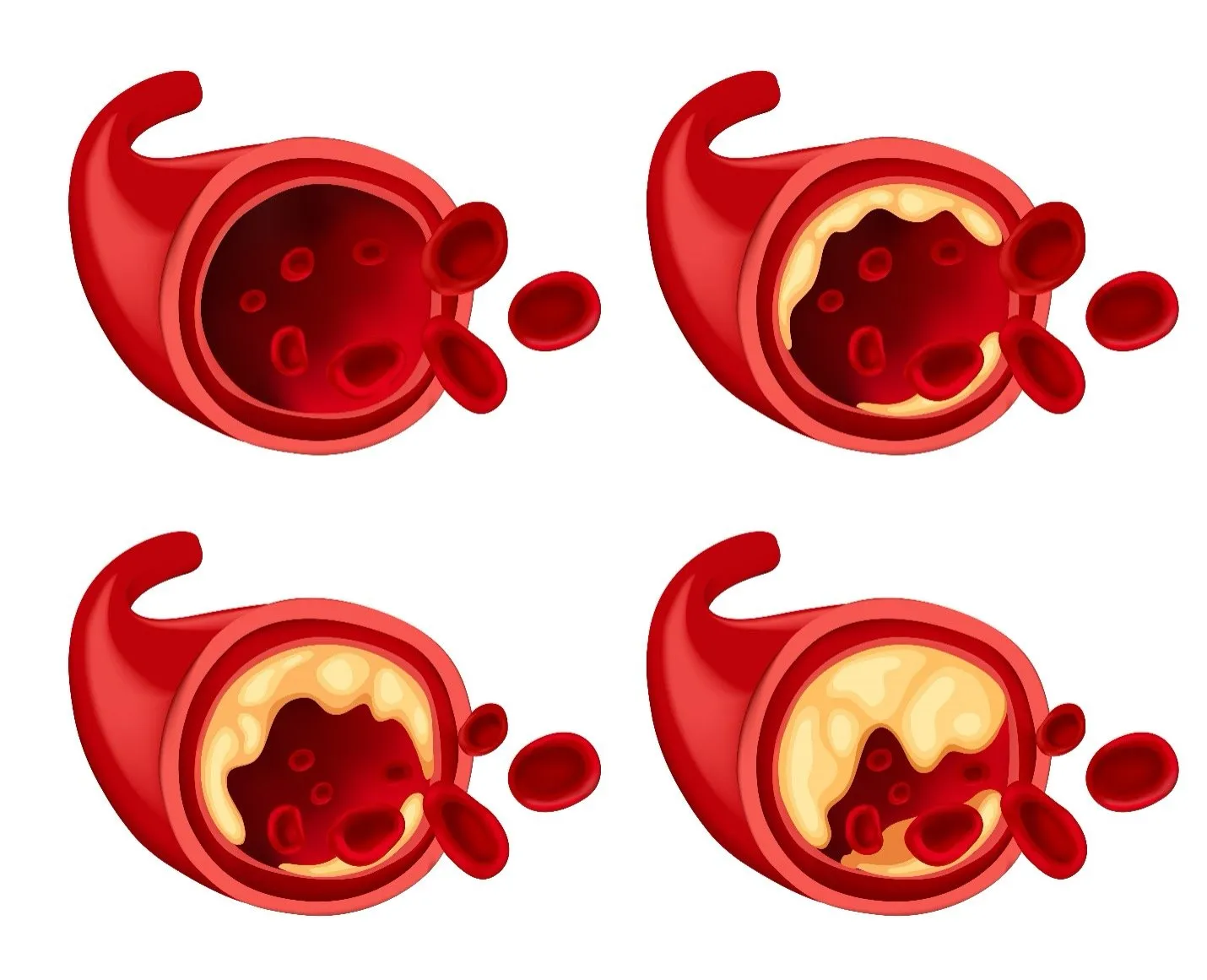
Vascular disorders affect blood vessels. The circulatory system uses arteries and veins to move blood throughout the body, and these channels carry oxygen and nutrients. Plaques may block arteries, which reduces oxygen supply and leads to physical limitations. Some conditions alter blood flow and cause mobility problems; medical providers respond by prescribing specific medications. Diagnosis depends on proper assessment, and treatments address underlying causes. Doctors often evaluate health with diagnostic tests, which reveal structural abnormalities within the vessels. Medical teams monitor patients and track the progression of symptoms. Over time they adjust care plans in response to changes. Some patients report ongoing fatigue. Others notice discomfort and schedule medical evaluations. When vascular conditions go untreated, risks increase and severe medical complications may develop.
Defining Vascular Disorders
Vascular disorders involve abnormal blood vessels throughout the body. Arteries carry oxygenated blood away from the heart and veins transport deoxygenated blood back to the lungs for reoxygenation. Some vessel walls weaken as conditions progress, and blood may pool in the extremities which causes visible swelling. An aneurysm is a blood vessel that balloons outward. Peripheral artery disease reduces blood flow to the limbs and carotid artery disease decreases circulation to the brain. Plaque builds up inside arterial walls as these diseases develop, causing the vessels to narrow and blood pressure to rise.
Deep vein thrombosis creates blood clots in deep veins; these clots can disrupt normal blood flow and produce localized pain. If a clot breaks free, it travels through the bloodstream and may block vessels in the lungs causing tissue damage. Doctors group vascular conditions by their location within the body. They conduct physical exams and review patient history to guide accurate diagnosis.
Recognizing Common Symptoms
Symptoms present differently across patients. Some have no noticeable signs while others endure severe, ongoing pain. Cold skin and blue discoloration are signs of reduced circulation. Leg cramps during walks may signal peripheral artery disease, yet these pains usually fade with rest. When veins return blood poorly, fluid can collect in the lower legs leading to swollen ankles. Carotid artery disease causes neurological effects such as sudden facial weakness or temporary vision loss in one eye. Sometimes patients feel only mild discomfort from minor blockages while acute health events result from major occlusions. As vascular health declines, routine tasks become more difficult and many seek prompt advice from specialized health professionals.
Managing Daily Impacts
Vascular conditions change daily life in several ways. People often adjust their physical activities, and many must adopt new approaches to eating. Some walk shorter distances and rest more frequently because symptoms limit their movement. Many support vascular health by eating fresh vegetables and lowering sodium intake. Quitting smoking helps relax blood vessels and promotes better circulation. Medical teams use medications like blood thinners to slow disease progression, and they make other recommendations based on patient needs. Surgeons can insert stents or perform bypasses if lifestyle changes do not help.
Ongoing monitoring helps prevent complications as healthcare providers schedule follow-up appointments and track how effective each treatment proves to be. Vascular disorders disrupt many body functions. They impact arteries and veins and limit physical capability throughout daily activities. When blood flow drops, tissues lack the nutrients they need for normal function, leading to ongoing health challenges for many patients.
Find a Clinic
Early diagnosis shapes the way treatments unfold. Providers use diagnostic tools to find blockages and develop targeted plans that address individual needs. In some cases, restoring vascular health bolsters physical mobility, which allows many people to reclaim greater independence over time. Many achieve the best outcomes by combining medical treatments with lifestyle changes. Regular exercise and careful blood pressure monitoring support long-term management. Although vascular conditions last for life, using tailored therapies can help minimize the severity of symptoms while many retain a stable quality of life. Health professionals consistently monitor progress and change therapies as circumstances shift.