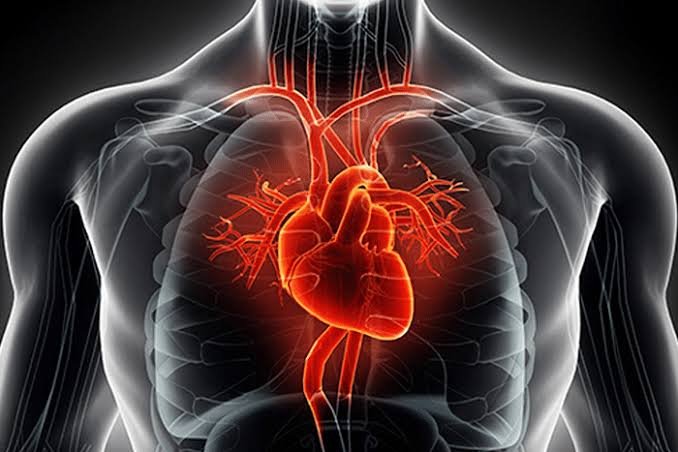
Congestive heart failure develops when the heart cannot pump enough blood to meet the body’s needs. Fluid builds up in the lungs, legs, and other parts of the body, and this buildup causes symptoms to appear. Although the condition often develops gradually, early evaluation supports timely treatment and helps providers begin appropriate care. Coronary artery disease, high blood pressure, heart attacks, heart valve problems, heart muscle diseases, arrhythmias, and certain infections can all contribute.
Recognizing Common Symptoms
Many people manage the condition with ongoing medical care. A cardiologist evaluates symptoms, identifies the cause, and develops a personalized treatment plan, and follow-up visits support continued care. Treatment often includes medication and lifestyle changes. Because symptoms can change over time, providers recommend routine appointments, which help guide future treatment decisions.
Symptoms often begin slowly. Many people experience shortness of breath during activity or while lying down, and fatigue or weakness can limit daily activities. Swelling may develop in the legs, ankles, feet, or abdomen. Although symptoms vary, some people also notice rapid or irregular heartbeats, a persistent cough or wheezing with white or pink-tinged mucus, and sudden weight gain from fluid buildup.
Symptoms differ from person to person for congestive heart failure. Some remain mild, but others become more noticeable as the condition progresses. Although each person’s experience is different, reporting new or worsening symptoms allows a cardiologist to evaluate changes, and this evaluation helps guide treatment. Early evaluation supports continued care.
Reviewing Treatment Options
Treatment focuses on reducing symptoms and improving the heart’s pumping ability. Medications can lower blood pressure and reduce fluid buildup, and lifestyle changes also support treatment goals. Providers often recommend a low-sodium diet, exercise as directed, and smoking cessation. Because every person has different needs, treatment plans reflect the underlying cause, and providers adjust recommendations when appropriate.
Some people benefit from advanced treatment. Cardiac resynchronization therapy with a defibrillator (CRT-D) helps the heart’s chambers beat in sync, and this improves the heart’s ability to pump blood effectively. The device also protects against abnormal heart rhythms that can lead to sudden cardiac arrest. When a person meets the appropriate criteria, a cardiologist determines whether this treatment is suitable, and the evaluation guides the next steps.
Managing Ongoing Care
Congestive heart failure requires continued management. Regular appointments allow providers to review symptoms, evaluate treatment, and adjust the care plan, and these visits support long-term care. Because symptoms and treatment needs can change over time, ongoing follow-up helps providers respond to those changes, and patients receive updated recommendations when needed. Ongoing communication also supports coordinated care.
Managing related heart conditions also supports treatment. High blood pressure, coronary artery disease, and irregular heart rhythms often require continued care, but treatment plans vary according to each person’s needs. Although every treatment plan differs, consistent follow-up helps coordinate care, and regular visits allow providers to monitor progress over time.
Check for Congestive Heart Failure
If you have symptoms or need ongoing heart care, schedule an appointment. A comprehensive evaluation can identify the cause of your symptoms and help determine an appropriate treatment plan for your cardiovascular needs. Learning the symptoms can be beneficial for your health.