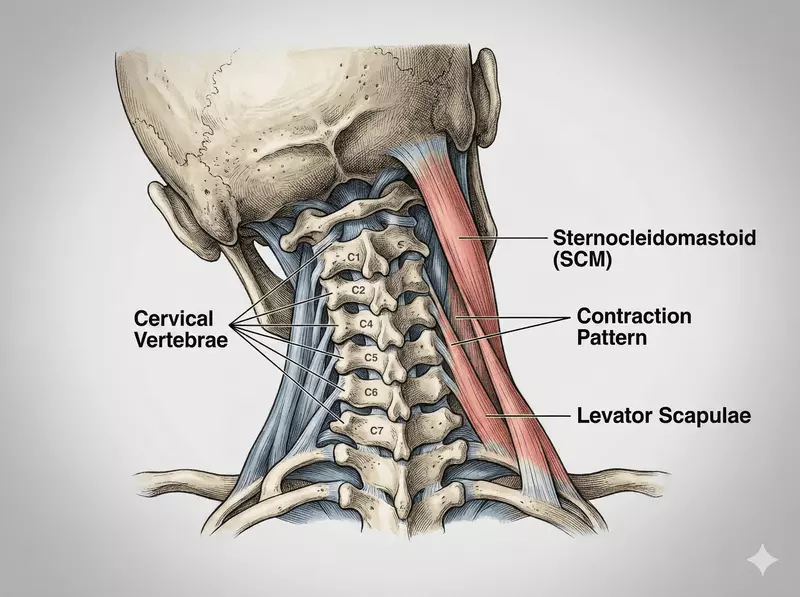
Neck and back pain involves discomfort, stiffness, or radiating pain in the cervical, thoracic, or lumbar regions of the spine. When this discomfort stems from nerve-related issues, neurologists step in to evaluate and manage the condition. Neurologists focus on diagnosing the cause of nerve-related distress, and they create a structured plan to manage the symptoms. By using specialized tests such as electromyography (EMG) or nerve conduction studies, neurologists pinpoint the exact source of nerve irritation and apply targeted management strategies.
Medication Options and Injections
Pharmacological options often serve as the first line of defense in managing nerve-related spinal discomfort. Neurologists carefully select pharmacological treatments based on your specific nerve involvement and overall health profile. Medications can temporarily reduce inflammation, but neurologists often combine them with other therapies for a more comprehensive approach.
Standard options your neurologist might recommend include:
- Nonsteroidal anti-inflammatory drugs (NSAIDs): These are intended to decrease localized swelling and ease mild to moderate discomfort.
- Muscle relaxants: These target muscle spasms that frequently accompany spinal issues.
- Epidural steroid injections: When oral medications are insufficient, a localized injection of corticosteroids into the epidural space may reduce nerve root inflammation.
- Nerve blocks: This involves injecting an anesthetic close to specific nerves to interrupt pain signals sent to the brain.
Physical Therapy
Neurologists closely coordinate with physical therapists to build a conservative, movement-based management plan. The main aim of physical therapy is to improve spinal mechanics and increase flexibility, and this relieves pressure on nerves that may be compromised. Through guided therapy, patients can strengthen the core muscles that support the spine, which helps to reduce strain over time.
A physical therapy program usually includes routines such as targeted stretching; this relieves tension in the muscles that support the cervical and lumbar regions of the spine. Strengthening exercises are added to build abdominal and back muscles, providing better stability for the spinal column. Postural training equips patients with practical guidance on maintaining correct alignment during daily activities, whether sitting, standing, or moving. It also aims to prevent unnecessary nerve compression.
Minimally Invasive Interventions
When conservative methods like oral medications and physical therapy do not provide adequate symptom management, neurologists may explore minimally invasive interventions. These procedures target the specific nerves responsible for transmitting discomfort signals. One common intervention is radiofrequency ablation. During this procedure, a specialist uses a needle to deliver heat to a targeted nerve, which temporarily interrupts its ability to send signals to the brain. Another option is spinal cord stimulation; this involves placing a small device near the spinal cord that delivers mild electrical impulses. These impulses modify the nerve signals before they reach the brain. Neurologists evaluate your specific diagnostic results to determine if you are a candidate for these specialized interventions.
Talk to Neurologists Today
Neurologists possess the specialized training required to evaluate nerve-related spinal issues and provide clear, straightforward guidance on your management options. If your discomfort has lasted for several months or interferes with your routine, it is time to seek an evaluation. Talk to neurologists today to understand the source of your symptoms, and they can build a structured plan tailored to your specific needs.