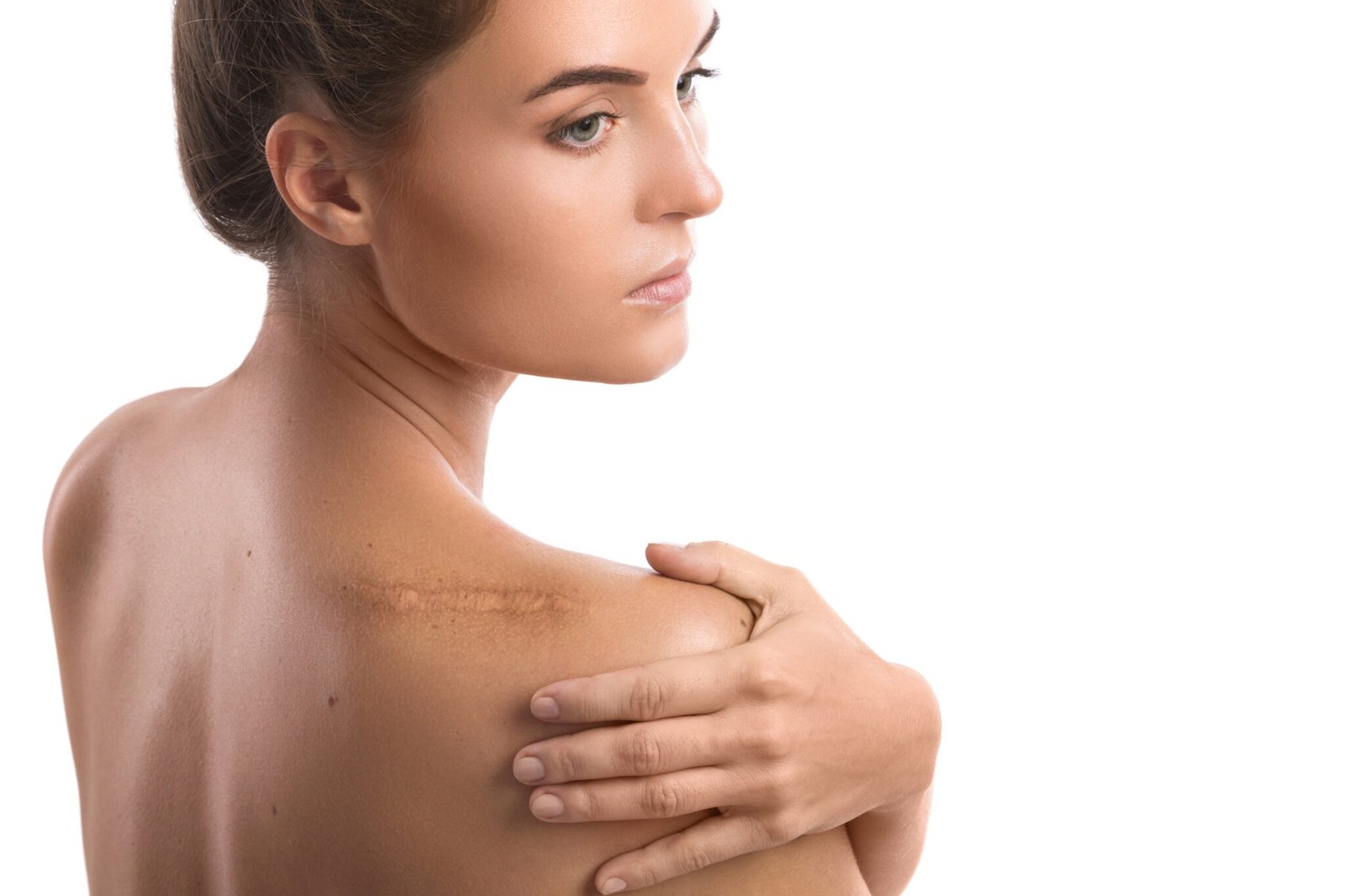
Skin infections can happen when bacteria enter through cuts or breaks in your skin. Bacteria naturally live on your body, and a break provides a possible entry point. If this occurs, you may develop an infection, so taking steps early is helpful.
Identification Of Common Symptoms
Symptom recognition is your first step. Since not every case is the same, speak to your provider. Skin infections present in various ways, and paying attention to detail helps you take action.
- Redness that appears quickly in the affected area
- Swelling or skin that feels warm to the touch
- Pain that develops or gets worse as time passes
- Hard or tender areas, pus, or a yellowish crust
- Blisters or fluid-filled bumps, especially with impetigo or cellulitis
Monitoring your skin infection symptoms closely helps you share useful information if you decide to see a medical professional for further care. Keep track of your symptoms daily, and watch for changes. These can include increased swelling or expanding redness. Track if you have a fever, chills, or swollen lymph nodes near the infection, as these changes often signal progression. Identify areas of broken skin or recent injuries because wounds are more likely to become infected. Watch for skin that feels hot or itchy, and make note of other symptoms. Monitoring your symptoms closely helps you share useful information, so see a medical professional for further care.
Protection Of Broken Skin
Clean the area gently with mild soap, and pat it dry with a clean towel. Proper hygiene supports the daily care of sensitive skin. Wash the area at least once a day, and try to keep it dry to reduce the risk of bacterial growth. If you suspect impetigo or another contagious skin infection, avoid scratching, and loosely cover the area with a sterile bandage. This can protect it from further irritation, and it limits the spread of infection. Change bandages daily or whenever they become wet or dirty. Clean coverings provide better protection.
Use disposable gloves when helping someone with a skin infection, and wash your hands before and after any contact with the affected area. If you have eczema or dry skin, maintaining moisture supports the skin’s barrier. Use only unscented, gentle moisturizers. Avoid sharing towels, washcloths, or bedding with others until the infection improves. Wash these items with hot water after each use. Using these protective steps helps manage skin irritation, and it may lower the risk of complications.
Evaluation By Medical Experts
Doctors provide a range of medical treatments, which depend on the type, location, and severity of the skin infection. You need to seek help if the redness or swelling is spreading. If you see red streaks moving away from the infection, get a medical evaluation. These signs often point to a more severe infection. Doctors perform a physical examination, and they sometimes take cultures or swabs from the area to determine the cause. Diagnosis by a professional helps guide treatment options.
Treat Your Skin Infection Today
Schedule an appointment with a professional if you want further guidance. Your skin health matters, and specialized doctors discuss care options. You have options. If your symptoms worsen quickly, reach out to a clinic for assistance.