Diabetes requires careful attention, and patients benefit from understanding the daily management routines. This chronic condition affects how the body processes glucose, leading to elevated blood sugar levels over time. Patients require continuous medical guidance, or they may experience long-term complications. Here is more information on this condition, its causes, symptoms, and the role of diabetes monitoring:
What Is Diabetes?
Diabetes is a metabolic disease that impairs the body’s ability to produce or respond to insulin. The pancreas normally releases this hormone to regulate blood glucose, but diabetic patients experience a disruption in this process. This disruption causes sugar to accumulate in the bloodstream. Medical professionals classify this disease into different types based on the underlying physiological mechanism.
Type 1 diabetes involves an autoimmune reaction, and Type 2 diabetes stems from cellular insulin resistance. Gestational diabetes occurs during pregnancy and may resolve after childbirth. Doctors use specific blood tests to diagnose the exact type of diabetes. Accurate diagnosis dictates the subsequent treatment plan.
What Causes It?
The underlying causes vary depending on the specific type of diabetes, which a healthcare professional will evaluate. Autoimmune factors destroy insulin-producing cells in Type 1 diabetes, and genetics may play a contributing role. A combination of genetic predisposition and lifestyle factors drives Type 2 diabetes.
Physical inactivity contributes to insulin resistance, and excess body weight compounds the metabolic dysfunction. Medical professionals look at family history during risk assessments. Age increases the risk for Type 2 diabetes, necessitating regular screenings for older adults. Hormonal changes drive gestational diabetes during pregnancy.
What Are the Symptoms?
Patients experience various physiological changes that indicate elevated blood sugar levels. Recognizing these symptoms early leads to prompt medical intervention. Common symptoms include:
- Increased thirst
- Frequent urination
- Unexplained weight loss
- Fatigue
- Blurred vision
- Slow-healing sores
These symptoms require a professional evaluation to reduce the disruption to daily life.
What Does Diabetes Monitoring Involve?
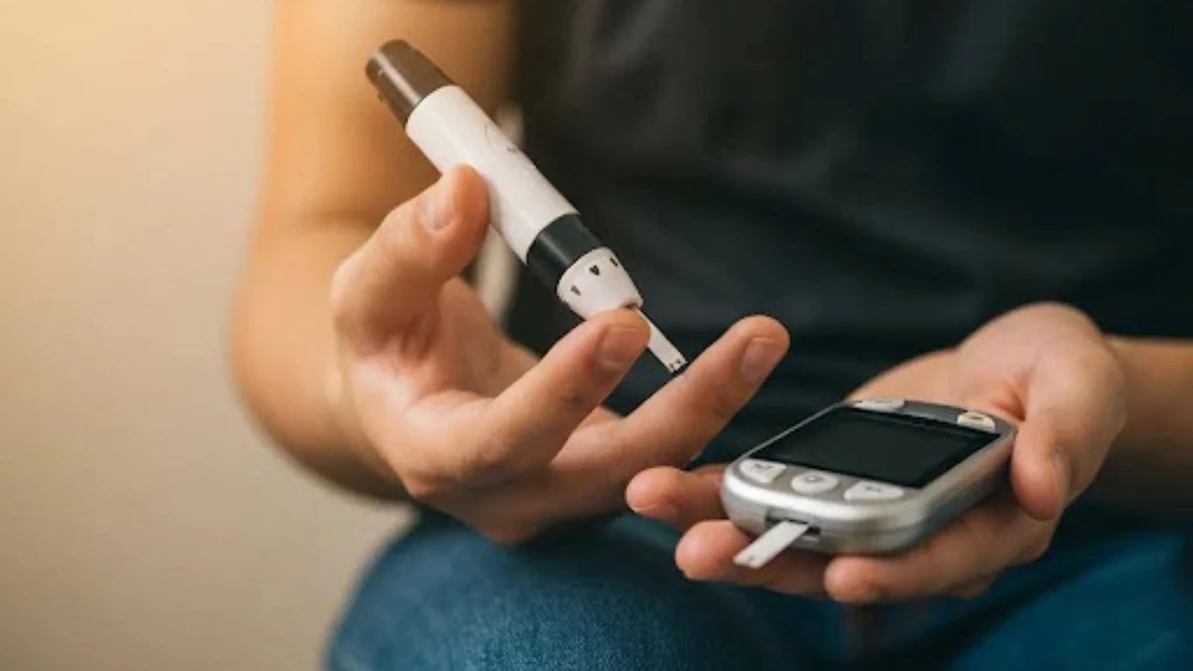
Monitoring requires the regular measurement of blood glucose levels using specific medical devices. Patients prick their fingers with a lancet, or they place a drop of blood on a test strip. A digital glucometer analyzes the blood sample. The device displays the current glucose concentration, allowing the patient to record the reading.
Some patients use continuous glucose monitors for automated tracking. A small sensor rests under the skin, and it transmits real-time data to a receiver or smartphone. This technology reduces the need for frequent finger pricks. Patients may calibrate these devices regularly according to the manufacturer’s schedule.
Physicians may instruct patients on the appropriate times to test their blood sugar. Standard testing times include before meals, and patients may test again two hours after eating. Doctors also recommend testing before physical activity. Illness alters blood sugar levels, necessitating more frequently testing during sickness.
What Are the Benefits?
Consistent monitoring provides information on how diet and exercise affect blood glucose. Patients learn to identify patterns, and they adjust their daily habits accordingly. This data helps individuals prevent severe hypoglycemic or hyperglycemic episodes. Tracking also shows the impact of prescribed medications, which guides medical interventions.
Consult a Healthcare Professional
Diabetic patients require a customized management plan, and doctors provide valuable clinical guidance. A physician evaluates individual symptoms and orders specific laboratory tests to assess overall health. Contact a healthcare provider to establish a comprehensive diabetes management plan. Regular appointments allow for consistent medical oversight, and they keep treatment aligned with current medical guidelines.