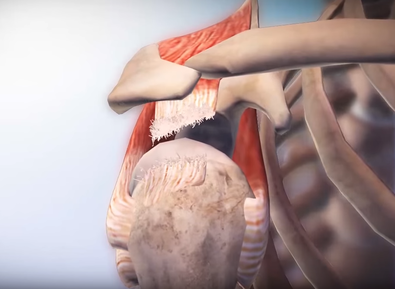
A rotator cuff tear involves damaged tendons and muscles in the shoulder, and this physical injury causes pain and reduced range of motion. Repetitive arm movements or sudden trauma cause the rotator cuff tissues to tear. Doctors can help guide your recovery from a rotator cuff injury by prescribing physical therapy and discussing ways to prevent future injuries.
Understanding Rotator Cuff Tears
When a patient suffers a rotator cuff tear, the tendons pull away from the arm bone. This separation limits arm movement, and it causes deep shoulder aches. Many patients struggle to lift their arms above their heads. You might experience weakness in the affected limb because the damaged muscles lose their structural support.
Several distinct factors cause a rotator cuff to tear. Normal aging wears down the tendon tissues, and repetitive stress speeds up this natural degradation. Tennis players and painters face higher risks of injury because they frequently perform the same motion with their shoulders. Sudden trauma, such as a fall, may also cause damage by forcing the shoulder joint into unnatural positions.
Diagnosing Shoulder Issues
Doctors use thorough physical examinations to identify shoulder injuries. Your physician tests your arm strength, and they measure your overall range of motion. They press on different parts of the shoulder so that they can locate the precise source of the pain.
Medical professionals rely on advanced imaging to confirm the initial diagnosis.
- X-ray: shows bone spurs that rub against the tendon.
- MRI: reveals the soft tissue tears and damage to the surrounding soft structures.
- Ultrasound: provides clear pictures of the shoulder muscles as they move.
Healing Torn Shoulder Tissue
Physical therapy plays a role in the rehabilitation process. Therapists teach specific stretching routines, and these exercises improve shoulder flexibility. Patients gradually rebuild their muscle strength. A stronger shoulder joint relieves pressure on the injured tendons because the surrounding muscles bear their appropriate amount of stress.
Here are some examples of exercises a physical therapy may prescribe to recover from a rotator cuff tear:
- Pendulum swings
- Isometric exercises
- Wall slides
- External rotations
- Scapular retraction
- Isometric shoulder exercises
- Sleeper stretches
Your physical therapist adjusts the routine as you heal. A customized program prevents further tissue damage, and regular sessions promote steady physical improvement.
Exploring Other Healing Options
There are other treatments a healthcare provider may prescribe alongside physical therapy to help speed recovery. Platelet-rich plasma, or PRP, therapy uses your own blood cells to accelerate natural healing. Doctors inject these concentrated platelets into the shoulder, and the growth factors stimulate tissue repair.
Stem cell therapy presents another regenerative approach. Physicians place healthy stem cells near the torn tendon, and these cells help generate new muscle tissue. Shockwave therapy uses acoustic waves that treat the injured area. This non-invasive device increases blood flow to the shoulder, and the improved circulation reduces inflammation.
Learn More About Shoulder Recovery
Shoulder injuries require proper medical attention. A torn tendon causes pain, and it restricts your daily physical activities. Physical therapy builds strength, while regenerative treatments increase your body’s natural healing mechanisms during recovery. If you want to learn more about rotator cuff tear recovery, consult a joint specialist near you.