Physical therapy directly addresses musculoskeletal issues, and this can be achieved through targeted methods in clinical healthcare settings. Therapists evaluate patients closely and develop specific treatment plans. Because chronic physical discomfort affects daily life, seasoned professionals implement structured active rehabilitation interventions. Here is more information on physical therapy techniques to manage chronic pain:
Manual Therapy
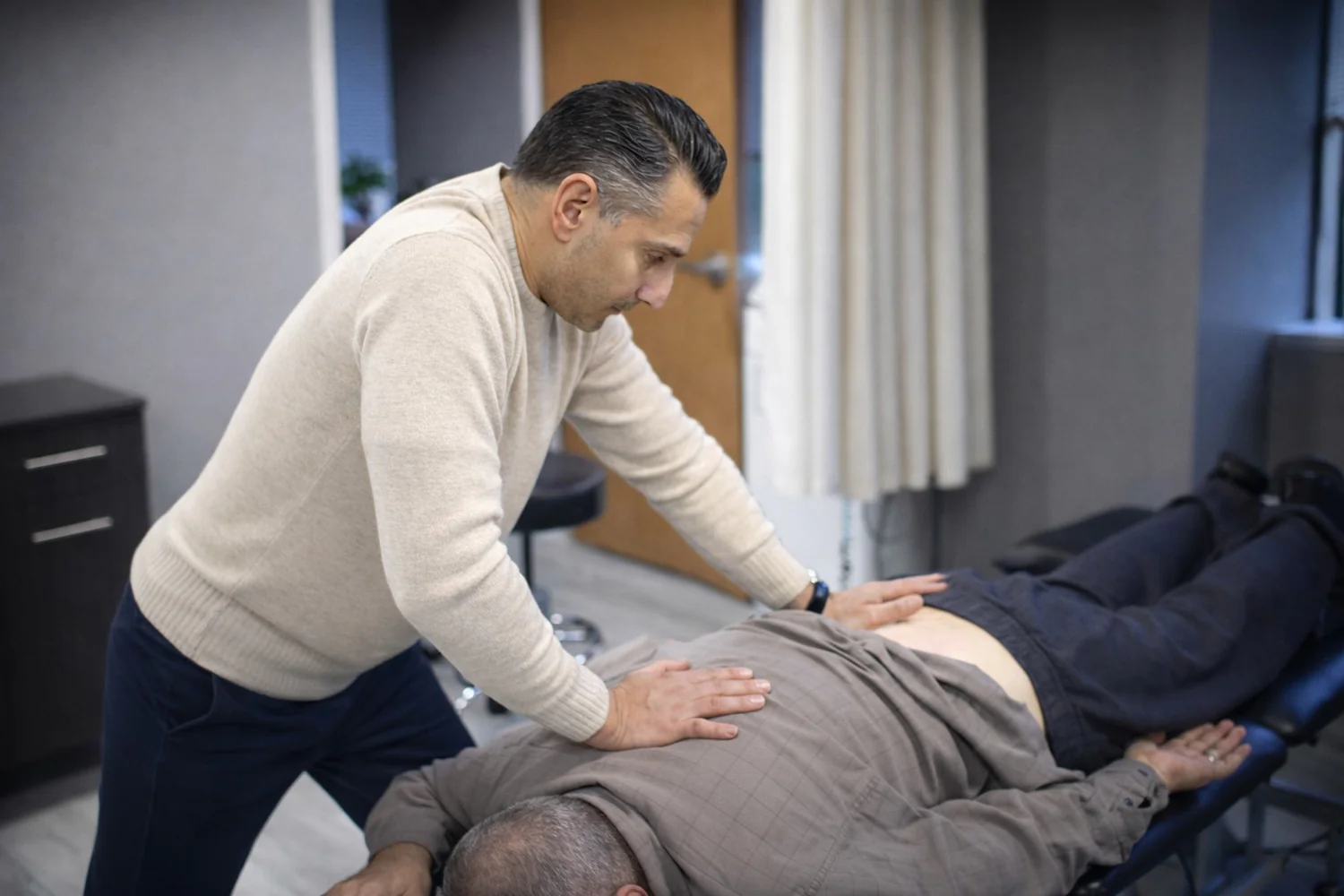
When practitioners perform advanced manual therapy, they use their own hands directly on the patient. This direct hands-on technique carefully targets stiff connective joints throughout the musculoskeletal system. Providers apply precise localized pressure, or they manipulate the affected soft tissues with physical force. While some techniques are intense, specific joint mobilization safely addresses deep mechanical restrictions within the body.
Severe tension naturally builds up in deep muscles, so practitioners mobilize these tight physical areas. While some mild pain occurs initially, muscle tissue gradually adapts to the applied pressure. Regular deep tissue manipulation aims to restore normal joint mechanics over an extended clinical time frame. Therapists continuously assess the physiological response, and they adjust the applied manual force accordingly.
Therapeutic Exercise
Carefully structured physical movement forms the core foundation of nearly all modern physical therapy recovery routines. Because bodies require regular daily activity, physical therapists prescribe specific repetitive physiological motions. Patients complete daily functional exercises in the clinic, and their overall physical capacity slowly increases. These highly targeted routines aim to rebuild necessary physical strength during the clinical rehabilitation process.
While passive medical treatments offer quick initial relief, active physical exercises provide long-term mechanical bodily stability. Consistent stretching actively lengthens severely tight muscles, and active resistance training builds robust supporting anatomical structures. These very precise bodily movements require consistent daily effort over several weeks.
Dynamic balance exercises may reduce fall risks, and targeted core routines actively support upright posture. Therapists carefully monitor each individual’s movement for proper biomechanical form during the session. As patients learn the appropriate movement techniques, they safely practice them in their own homes. Direct clinical supervision helps to prevent further bodily injuries, and continuous home practice reinforces the new movement patterns.
Therapeutic Massage Therapy
Therapeutic massage directly targets specific physical injuries within the biological structures of the human body. Because healthy blood circulation promotes natural physical healing, deep kneading actively increases local blood flow today. Trained therapists press very deeply into the connective tissues, and they isolate the primary discomfort source.
Alternative Cupping Therapy
Practitioners place small glass cups on the skin, and strong internal suction pulls the tissue. Because the tight vacuum effect draws bodily fluids upward, small circular marks appear temporarily on patients. This practice is used to decompress underlying layers during physical therapy sessions. Modern clinical providers utilize several very specific cupping styles to address many different underlying issues:
- Dry cupping for basic targeted localized tissue suction.
- Wet cupping for controlled underlying bodily fluid release.
- Moving cupping for very broad skin coverage.
- Flash cupping for rapid stimulation techniques.
Schedule Physical Therapy Sessions
Take actionable steps to manage your chronic pain condition with dedicated physical therapy intervention today. Call a local physical therapy clinic and set up an initial physical consultation appointment. Before you start any regimen, consult your primary medical physician for guidance. Book your first initial evaluation session to begin your structured physical rehabilitation program.