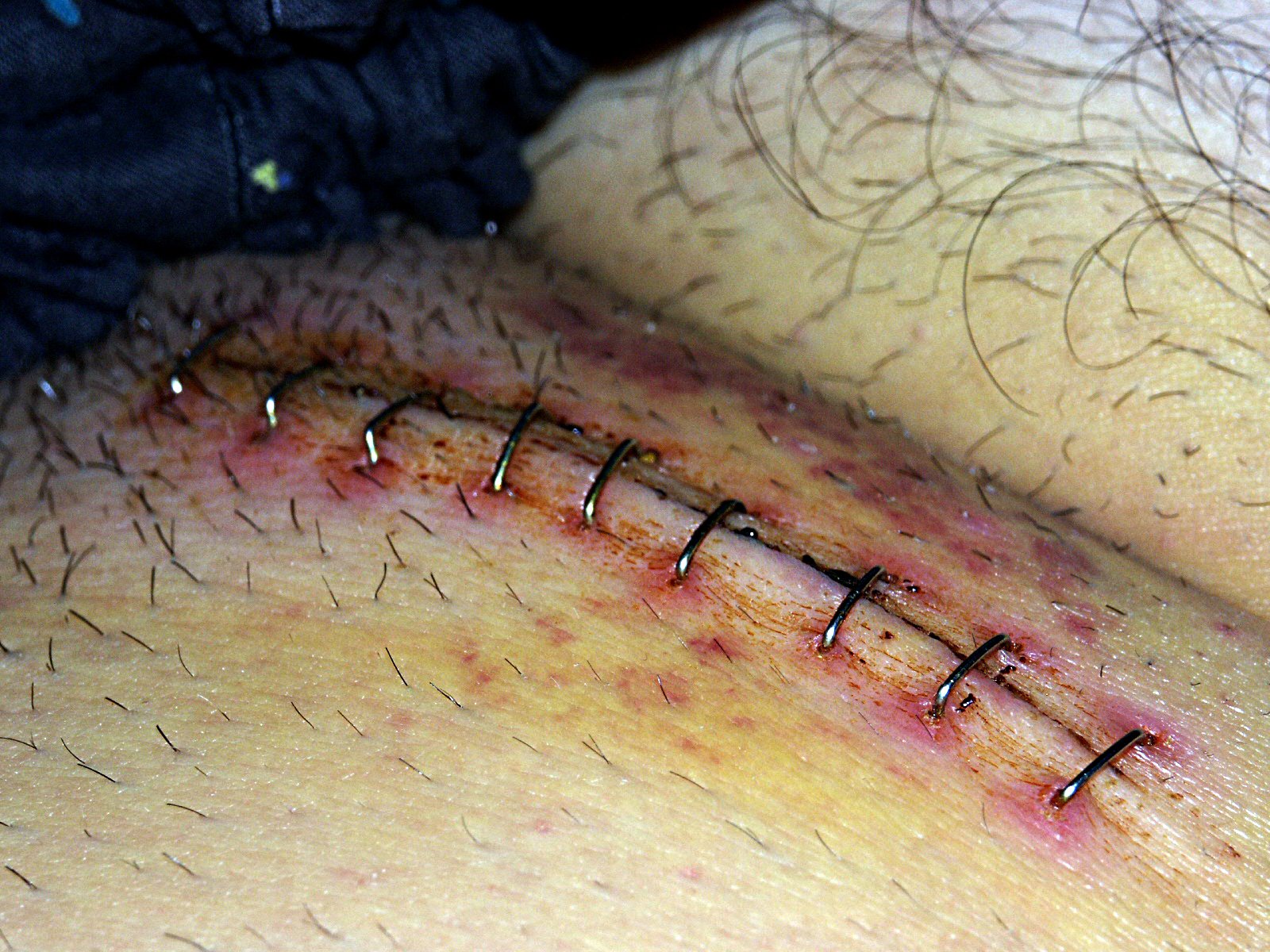
When an internal organ pushes through a weak spot in muscle or tissue, a hernia occurs. Patients can get a hernia repair from a hernia surgeon to relieve daily pain, and the surgery helps prevent future medical complications. A hernia repair surgery successfully resolves multiple types of hernias. Here is more information about hernias and hernia repair surgery:
Understanding Hernias
A hernia surgeon evaluates your specific condition before recommending the best medical approach. A hernia happens when an organ protrudes through the protective muscle layer that normally contains it.
Several factors can contribute to the development of a hernia. Common causes include:
- Age-related muscle weakness and wear
- Heavy lifting that triggers a tear in the muscle
- Strain on the abdomen from a severe, chronic cough
- Pressure on the abdominal wall during pregnancy, which can lead to tissue separation
- Straining during bowel movements, which adds stress to the body and may exacerbate existing weak spots
Understanding these potential causes helps in identifying risk factors for this condition.
Identifying Types
Medical professionals categorize hernias based on their physical location within the human body. Inguinal hernias appear in the inner groin region, and hiatal hernias occur near the upper stomach. Umbilical hernias happen near the belly button since that area naturally lacks dense muscle.
Patients experience a wide variety of symptoms based on the exact classification. Here are a few types of hernias:
- Inguinal: This type creates a noticeable bulge in the groin region.
- Hiatal: Patients experience acid reflux because the stomach pushes into the chest cavity.
- Umbilical: A bulge forms around the navel area, and it affects both adults and infants.
The symptoms of hernias vary significantly, and they depend on the type and severity of the hernia. With inguinal hernias, patients often notice discomfort or pain when bending, coughing, or lifting, in addition to the visible bulge. Hiatal hernias commonly lead to heartburn, difficulty swallowing, and chest pain due to the displacement of the stomach into the chest. Umbilical hernias in adults may cause sensations of pressure or pain around the navel, while in infants, the bulge tends to become more pronounced when crying.
Reviewing Surgery
Doctors perform the repair using open or minimally invasive laparoscopic techniques. While open surgery requires one larger incision, laparoscopic surgery uses tiny cuts and a camera. The medical team pushes the bulging tissue back into its proper place, and they reinforce the damaged abdominal wall with a strong surgical mesh.
General anesthesia keeps the patient completely asleep during the entire operation. Because the mesh acts as a sturdy scaffold, new tissue grows over it during the healing phase. This technique strengthens the surrounding muscle, and it prevents the organ from protruding again.
Managing Recovery
The operation completely relieves physical pain, and it stops internal organs from becoming dangerously trapped. Most patients return to their normal daily activities after a few weeks of rest. Because the body needs adequate time to heal, doctors restrict heavy lifting during the initial recovery period.
Find a Hernia Surgeon Today
This procedure successfully treats painful abdominal protrusions, and it may restore physical comfort. A medical professional fully evaluates your unique symptoms to determine the most effective surgical approach. If you want to learn more about hernia repair, consult a hernia surgeon near you.