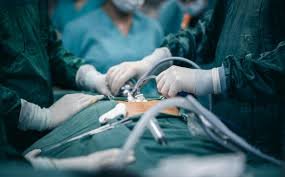
Robotic surgery has expanded the range of procedures that can be performed through small incisions. It combines advanced imaging, precise instrument control, and minimally invasive techniques to support greater accuracy during treatment while helping surgeons work in areas that require careful movement. Here are some of the key benefits robotic surgery may offer for small incision procedures:
Enhancing Surgical Precision
Robotic surgery provides doctors with a highly magnified, three-dimensional view of the surgical site. The robotic arms rotate in ways that human hands cannot, so the surgeon gains exceptional control during the operation. When surgeons operate in tight anatomical spaces, they rely on enhanced visibility to protect delicate blood vessels and nerves. The technology translates microscopic movements into deliberate surgical actions.
Precision is a fundamental requirement in modern medicine. The robotic system scales down the surgeon’s movements, and this fine-tuning reduces the risk of accidental tissue damage. Patients often face fewer complications when doctors use these advanced tools to navigate complex internal structures. Surgeons use these visual enhancements to safely complete the challenging parts of a procedure.
Reducing Surgical Incisions
Traditional open operations often require a large cut to expose the internal organs. Robotic surgery uses small entry points, typically only a few centimeters long. The medical team inserts specialized instruments through these small openings, and the patient avoids massive tissue division. This method circumvents the need to sever major muscle groups. The body experiences minimal blood loss during the operation, so patients rarely need blood transfusions. The body spends less energy repairing superficial surgical wounds.
Supporting Patient Recovery
Recovery times drop significantly after a minimally invasive operation. Patients benefit from the following:
- Less postoperative pain and reduced consumption of pain medications during their hospital stay.
- A quicker return to regular work or daily activities makes robotic approaches an ideal option.
- Shorter recovery timelines that help individuals regain their normal quality of life swiftly.
- Faster healing of smaller wounds compared to large surgical cuts.
- Decreased risk of site infection and improved cosmetic results due to reduced scarring.
The combination of minimal scarring and rapid healing is a fundamental shift in postoperative care.
Expanding Surgical Value
Hospitals apply this technology to different medical fields today. Doctors perform gallbladder removals, hernia repairs, and colon operations using these advanced robotic systems. As surgical teams gain clinical experience, they can adapt the mechanical tools to treat a wider variety of internal conditions. This versatility makes robotic platforms a key asset in modern medical facilities.
Surgeons operate with less physical fatigue at the control console. They can sit comfortably while directing the mechanical arms, and this ergonomic setup helps maintain their focus during long cases. Reduced physician fatigue ultimately translates into better clinical outcomes for the individuals receiving treatment.
Learn More About Robotic Surgery
Robotic surgery offers key benefits such as tiny incisions, exceptional precision, and rapid patient recovery. The technology reduces physical trauma, and it provides a safer environment for complex medical operations. Understanding available clinical options is a fundamental part of the healthcare process. Contact a reputable surgical practice in your area to schedule a consultation and learn more about robotic surgery today.