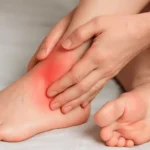
PRP (platelet-rich plasma) injections are a regenerative medicine treatment option that provides relief from joint pain. This therapy uses components from a patient’s own blood and supports healing, reduces inflammation, and improves joint function in certain clinical situations. Here is a closer look at the benefits of PRP injections for joint pain relief:
Identifying Joint Problems
PRP therapy has been utilized for various joint-related conditions, providing a non-invasive option for addressing pain and promoting healing. Here are some of the joint problems commonly treated with this therapy:
- Osteoarthritis: PRP may reduce inflammation and slow cartilage degradation in affected joints, such as the knees and hips.
- Tendon Injuries: Chronic tendon issues, like tennis elbow or Achilles tendinitis, can benefit from enhanced tissue repair facilitated by PRP.
- Ligament Sprains: The injections may accelerate recovery in ligament sprains, restoring stability to the joint more efficiently.
- Rotator Cuff Tears: Minor tears may heal more quickly with PRP.
Understanding which joint conditions respond well to PRP therapy is key to regarding it as a treatment option.
Understanding How PRP Works
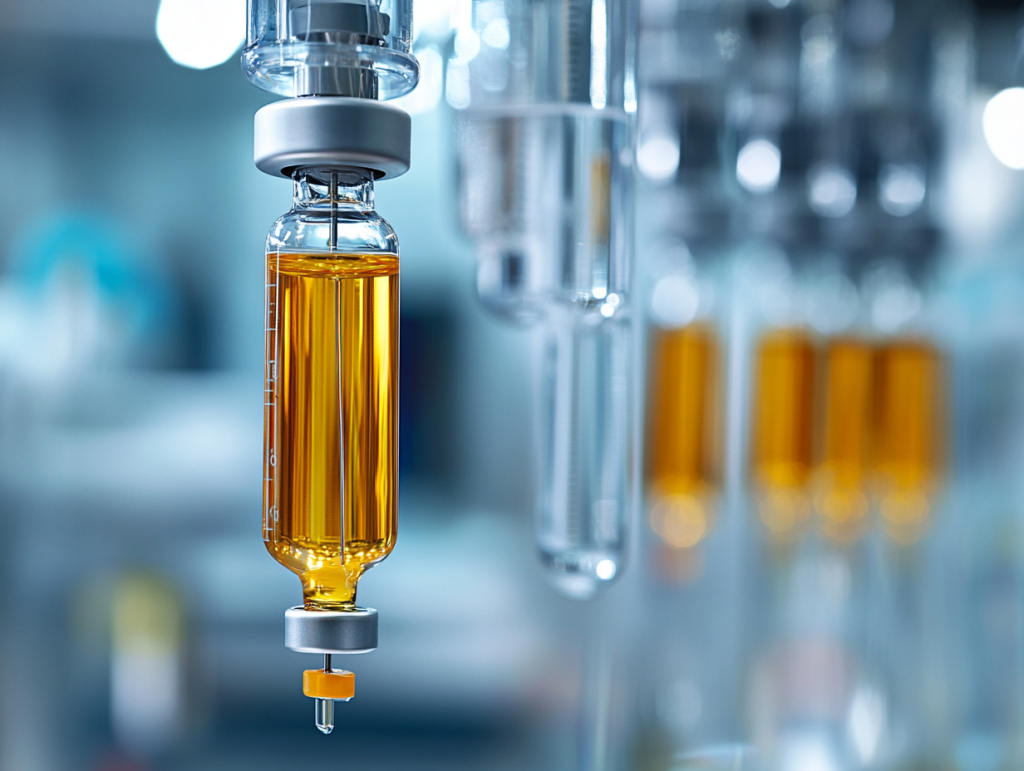
The PRP procedure follows a precise clinical protocol. A healthcare provider collects a blood sample from the patient’s arm, and the sample is placed in a centrifuge. The machine spins rapidly to separate the blood components, which isolates the platelet-rich plasma from the red blood cells.
After preparation, the doctor injects the serum into the affected joint space. Medical professionals often use ultrasound guidance during this step; this helps them target the exact site of inflammation. The localized platelets then release proteins, which facilitate tissue repair over the following weeks. Patients may experience mild soreness immediately after the injection, but this temporary discomfort is a normal part of the process. The tissue slowly remodels itself, which eventually translates to decreased pain signals.
Evaluating PRP Benefits
Patients undergoing platelet-rich plasma therapy may experience a range of benefits that contribute to improved joint function and overall comfort. Here are some key benefits commonly associated with this treatment:
- Reduced Pain: The therapy targets inflammation and promotes tissue repair, leading to a noticeable decrease in pain over time.
- Enhanced Tissue Healing: The growth factors released by PRP accelerate the body’s natural healing processes, promoting healthier tissue regeneration.
- Improved Mobility: Patients often experience a better range of motion and functional mobility in the treated area.
- Minimally Invasive Approach: PRP therapy offers a non-surgical alternative to address chronic joint pain or injuries, reducing recovery times compared to surgical interventions.
These benefits make PRP a compelling treatment option for patients seeking a natural and effective solution for joint pain and tissue repair.
Weighing PRP Decisions
Patients must contemplate several factors before scheduling a procedure. Healing takes time, and results do not happen overnight. It is fundamental to maintain realistic expectations, as individual responses to PRP vary based on age and injury severity. Rest is a fundamental requirement immediately following the injections. Patients must avoid strenuous exercise for a short period and follow all post-procedure guidelines carefully. Rushing the recovery phase can disrupt healing tissue, diminishing the overall effectiveness of the treatment.
Medical history plays a key role in treatment candidacy. Individuals with blood disorders are not ideal candidates, and certain medications interfere with platelet function. Patients must disclose all active prescriptions to their doctor, allowing the doctor to assess baseline safety accurately.
Book Your PRP Consultation
PRP therapy presents a viable option for managing chronic joint discomfort. The procedure uses natural blood components, and it targets the specific areas of tissue degradation. A professional medical evaluation is the best way to determine patient eligibility. Contact a qualified healthcare provider near you to book your PRP consultation today.