Cardiology uses new methods to evaluate and manage heart conditions. Patients need clear information about treatment options, and modern facilities offer specialized pathways. Since cardiovascular care requires precision, specialists follow strict protocols.
Advancements in Diagnostic Testing
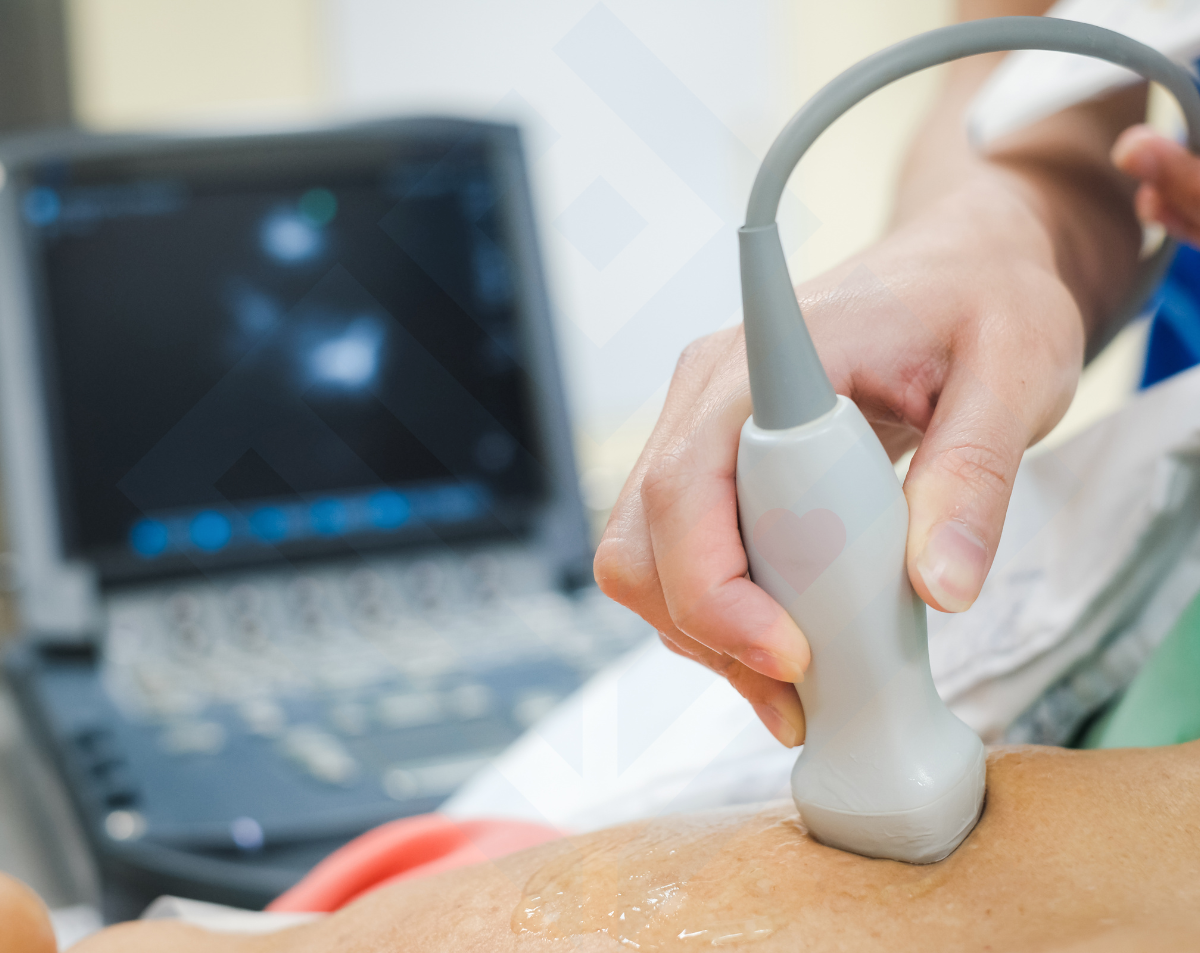
Physicians use a range of diagnostic tools to assess cardiovascular function, and they identify structural issues. An echocardiogram provides ultrasound images of heart valves, and a stress test measures cardiac performance during physical activity. Wearable cardiology monitors track heart rhythms over time. Common diagnostic methods include:
- Echocardiogram for ultrasound imaging of the heart
- Stress testing to evaluate exercise response
- Wearable monitors for tracking heart rhythm
- Advanced imaging to assess blood flow and detect blockages
During an evaluation, a cardiologist reviews these diagnostic metrics, and the gathered information helps plan your care. For unexplained chest pain, providers may use extra imaging to evaluate blood flow and find areas of concern. Diagnostic imaging allows the heart to be observed as it works. Specialists interpret these results to identify abnormalities at early stages. If your provider finds something unusual, they may recommend additional tests. Testing protocols are designed to provide a clearer understanding of your condition. With expanded tools for data collection and imaging, evaluations become more thorough. Care plans align closely with your personal needs.
Strategies for Preventive Cardiology
Preventive cardiology focuses on risk factors linked to cardiovascular events. Specialists monitor conditions such as hypertension, and management plans are structured around maintaining blood pressure within safe ranges. Executive heart health programs include screenings and recommendations. These programs combine screening with lifestyle guidance, helping you fit healthy habits into your routine. Regular evaluations support medical management, and people diagnosed with atrial fibrillation often pursue ongoing oversight. Preventive cardiology reviews your family history to assess risk. Cholesterol levels are measured to check for plaque buildup in your arteries. Providers might discuss diet, exercise, and tobacco cessation as part of a comprehensive risk review. Medication changes use test results and ongoing observation tracks your cardiovascular system over time. This approach provides support and practical steps, while you manage your heart health.
Solutions for Urgent Treatment
Specialized centers evaluate acute cardiovascular symptoms, offering an alternative to standard emergency rooms. Cardiac urgent care units assess sudden chest pain, and they initiate timely medical interventions designed to stabilize your condition when needed. These clinics evaluate symptoms such as palpitations or sudden changes in blood pressure. Staff are equipped to assess signs that indicate a cardiac event. Facilities streamline triage, and they coordinate access to cardiovascular professionals.
With a trained team available, you receive prompt assessments in a supportive setting. These centers use equipment specific to cardiac care needs. Medical professionals assess your condition, determine treatment level, and distinguish between minor and serious issues. Specialized cardiac urgent care also guides follow-up planning, and this helps you coordinate with your cardiologist for ongoing evaluation. This approach supports smoother transitions and continuity in your care plan.
Directions for Your Consultation
Managing your cardiovascular health requires a structured approach and professional medical guidance. Consult a specialist to discuss your health needs, and schedule an initial evaluation to review your symptoms. If you need preventive screening or specialized tests, a qualified cardiologist will give a clear clinical recommendation. Understanding your specific cardiovascular risk profile empowers you to make informed decisions. Contact a local cardiology clinic today to arrange your appointment and begin your evaluation.