Knee surgery can be a life-changing procedure. Whether it is due to a sports injury, arthritis, or an accident, undergoing knee surgery often marks the beginning of a long journey toward regaining mobility and returning to daily activities. One of the most critical parts of this journey is rehabilitation after knee surgery, which ensures the knee heals correctly and prevents complications. In this article, we will explore the importance of rehabilitation, the stages of recovery, helpful exercises, tips for a faster recovery, and answers to common questions.
Why Rehabilitation After Knee Surgery is Important
After knee surgery, the knee joint and surrounding muscles are usually weak. This weakness can make daily movements like walking, climbing stairs, or even standing up difficult. Rehabilitation, or physical therapy, plays a crucial role in:
- Restoring mobility: Surgery can temporarily limit your knee’s range of motion. Rehab helps regain flexibility.
- Strengthening muscles: Muscles around the knee, including the quadriceps, hamstrings, and calves, often become weak after surgery. Strengthening them protects the knee and improves stability.
- Reducing pain and swelling: Proper rehabilitation techniques can reduce post-surgery discomfort and inflammation.
- Preventing complications: Early and guided rehab helps avoid stiffness, blood clots, or improper healing.
- Returning to normal life: Rehabilitation prepares the knee for regular activities, sports, and work.
Without proper rehab, patients risk long-term stiffness, muscle weakness, and even future injuries.
Stages of Rehabilitation
Rehabilitation is usually divided into several stages, which may vary depending on the type of knee surgery, such as ACL reconstruction, total knee replacement, or meniscus repair. Here’s a general overview:
1. Immediate Post-Surgery Phase (0-2 Weeks)
- Goals: Reduce pain and swelling, start gentle movement.
- Activities:
- Resting the knee and keeping it elevated.
- Applying ice packs to reduce swelling.
- Gentle bending and straightening exercises as advised by your doctor.
- Using crutches or walkers to avoid putting full weight on the knee.
During this phase, the focus is mostly on healing the incision and preventing stiffness. Following your surgeon’s instructions is crucial.
2. Early Rehabilitation Phase (2-6 Weeks)
- Goals: Improve mobility, start strengthening muscles.
- Activities:
- Passive and active knee exercises guided by a physical therapist.
- Light stretching to prevent stiffness.
- Gradually putting weight on the leg as tolerated.
- Gentle walking and stationary cycling if approved.
At this stage, the knee is still fragile, so exercises should never cause sharp pain. Progress is slow but steady.
3. Strengthening Phase (6-12 Weeks)
- Goals: Build strength, improve balance and stability.
- Activities:
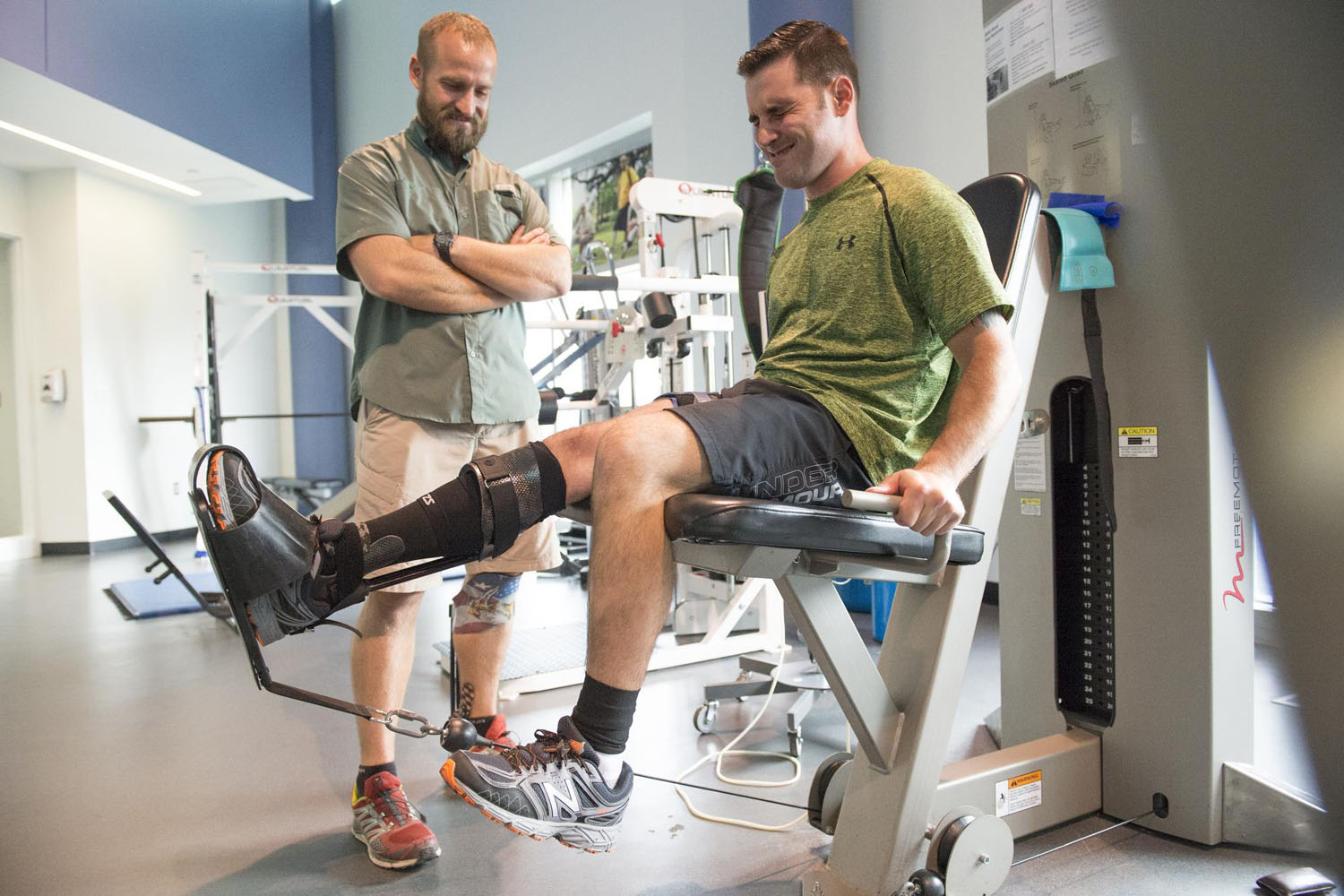
- Resistance exercises like leg presses, hamstring curls, and mini-squats.
- Balance exercises, including standing on one leg or using a balance board.
- Low-impact aerobic activities such as swimming or cycling.
Muscle strength around the knee is crucial for supporting the joint and preventing future injuries. Your physical therapist will tailor exercises to your specific needs.
4. Advanced Rehabilitation Phase (3-6 Months)
- Goals: Restore full function, return to daily activities or sports.
- Activities:
- More dynamic exercises like lunges, step-ups, or light jogging (if approved).
- Agility drills for athletes.
- Gradual increase in walking, running, or climbing stairs.
By this stage, most patients can resume most daily activities. The knee should feel stronger, and mobility should improve significantly.
5. Maintenance Phase (6 Months and Beyond)
- Goals: Maintain strength, flexibility, and prevent future injuries.
- Activities:
- Regular exercises for quadriceps, hamstrings, calves, and glutes.
- Low-impact exercises such as swimming, cycling, or yoga.
- Monitoring knee health and avoiding excessive stress on the joint.
Rehabilitation does not stop after six months. Continuing exercises at home is key to a long-term recovery.
Common Rehabilitation Exercises
Here are some widely recommended exercises after knee surgery. Always consult your doctor or physical therapist before starting them:
- Quadriceps Sets: Tighten your thigh muscles, hold for 5 seconds, and relax. Repeat 10–15 times.
- Heel Slides: Lie down and slide your heel toward your buttocks, then straighten your leg. Repeat 10–15 times.
- Straight Leg Raises: Lie on your back, keep one leg bent, and slowly lift the other straight leg to the height of the bent knee. Hold for a few seconds, then lower it.
- Hamstring Curls: Stand and gently bend your knee, bringing your heel toward your buttocks. Hold for 5 seconds, then lower.
- Calf Raises: Stand on your toes and slowly lower your heels. Repeat 10–15 times.
- Stationary Biking: Helps regain mobility without putting too much pressure on the knee.
Consistency is key. Doing these exercises daily, even at home, greatly improves recovery speed.
Tips for Faster Recovery
- Follow Medical Advice: Stick to the rehab plan your doctor or physical therapist prescribes.
- Don’t Rush: Avoid returning to high-impact activities too soon.
- Use Ice and Elevation: These help manage swelling.
- Maintain a Healthy Diet: Protein, vitamins, and minerals support tissue healing.
- Stay Positive: Recovery can be slow, but patience and persistence are essential.
Common Mistakes to Avoid
- Skipping exercises: This slows recovery and reduces strength.
- Overexerting the knee: Pushing too hard can cause re-injury.
- Ignoring pain or swelling: This may indicate complications.
- Neglecting proper nutrition: Healing tissues need proper nutrients.
- Not following up with therapy: Regular monitoring ensures optimal recovery.
Expected Timeline for Recovery
While recovery varies by individual and surgery type, here’s a rough guide:
- 2 Weeks: Pain and swelling reduce, gentle mobility starts.
- 6 Weeks: Improved range of motion and muscle engagement.
- 3 Months: Most patients can walk comfortably; some low-impact activities resume.
- 6 Months: Strength and function near pre-surgery levels; returning to sports possible for many.
- 1 Year: Full recovery, with continued exercises for maintenance.
FAQs About Rehabilitation After Knee Surgery
1. How long does it take to fully recover after knee surgery?
Recovery can take anywhere from 3 to 12 months depending on the surgery type, age, overall health, and how closely rehabilitation is followed.
2. Is physical therapy necessary after knee surgery?
Yes. Physical therapy is critical for restoring strength, mobility, and function. Skipping rehab increases the risk of stiffness and weakness.
3. Can I walk after knee surgery?
Yes, but the timeline depends on your surgery. Some patients may use crutches initially, while others can walk with support soon after.
4. Are exercises painful during rehabilitation?
Mild discomfort is normal, but sharp pain is a warning sign. Always consult your therapist if pain is significant.
5. Can I return to sports after knee surgery?
Many patients return to sports, but the timeline varies. Low-impact activities often resume first, followed by higher-impact sports after 6–12 months.
Conclusion
Rehabilitation after knee surgery is a vital part of recovery. It helps restore mobility, strengthens muscles, reduces pain, and ensures the knee heals properly. Following a structured rehabilitation plan, performing the recommended exercises, and maintaining patience and persistence can help you regain confidence and return to your daily life and activities. Remember, your knee’s health depends on consistent care and mindful progress, so embrace the journey to full recovery.