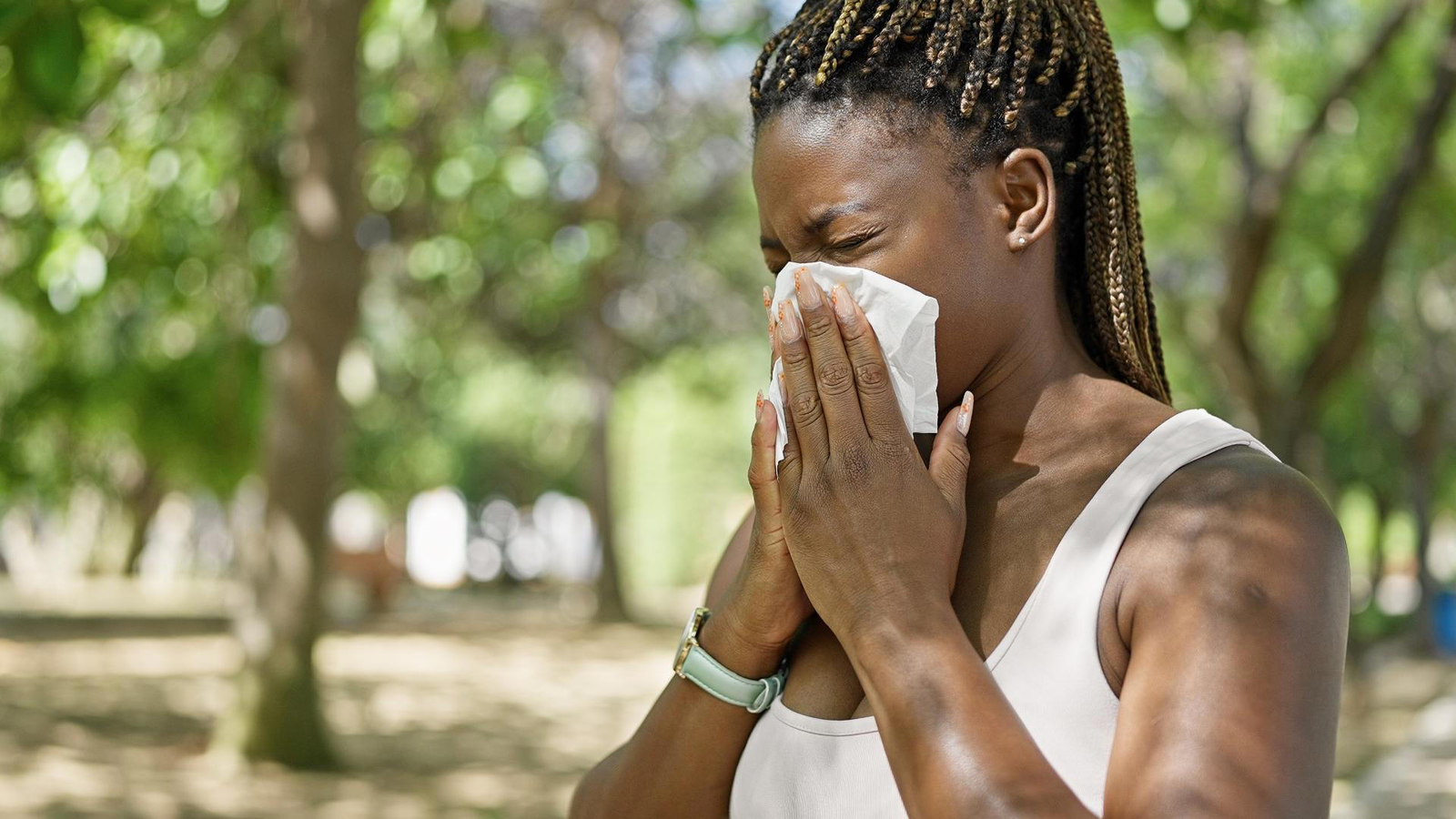
Seasonal allergies, also known as hay fever or allergic rhinitis, affect millions of people around the world every year. They occur when your immune system reacts to allergens such as pollen, mold spores, or dust that are more common during certain seasons. Symptoms can range from sneezing, itchy eyes, and runny nose to fatigue and even difficulty concentrating. While seasonal allergies are not usually life-threatening, they can significantly affect your daily life. The good news is that there are several effective seasonal allergy treatment options available to help manage symptoms and improve your quality of life.
In this article, we will discuss the most common and effective treatments, including lifestyle changes, medications, and natural remedies. We will also answer some frequently asked questions to help you make informed decisions about managing your allergies.
Understanding Seasonal Allergies
Before diving into treatment options, it’s important to understand what causes seasonal allergies. Allergies occur when your immune system overreacts to substances that are usually harmless. During spring and summer, pollen from trees, grasses, and weeds is a common trigger. In the fall, mold and ragweed pollen can cause flare-ups. Symptoms may include:
- Sneezing and congestion
- Runny or itchy nose
- Watery or itchy eyes
- Coughing or throat irritation
- Fatigue or irritability
Allergies can also worsen pre-existing conditions like asthma, so effective treatment is essential.
1. Lifestyle and Environmental Changes
One of the first steps in managing seasonal allergies is reducing exposure to allergens. These non-medication strategies are often overlooked but can make a significant difference.
Tips to Reduce Allergen Exposure
- Stay indoors during peak pollen times: Pollen levels are highest early in the morning and on windy days. Try to stay inside during these times.
- Keep windows closed: Use air conditioning instead of opening windows during allergy season.
- Shower and change clothes after being outdoors: Pollen can stick to your hair and clothing, bringing it indoors.
- Use HEPA filters: High-efficiency air filters in your home and vacuum cleaners can reduce pollen and dust.
- Limit outdoor activities: Avoid gardening, mowing the lawn, or exercising outdoors when pollen counts are high.
These small adjustments can reduce symptoms and even minimize the need for medications in mild cases.
2. Over-the-Counter (OTC) Medications
OTC medications are usually the first line of defense for seasonal allergies. They are easy to access and can provide quick relief.
Common OTC Medications Include:
- Antihistamines: These block histamine, a chemical your body releases during an allergic reaction. They reduce sneezing, itching, and runny nose. Popular options include cetirizine, loratadine, and fexofenadine.
- Decongestants: Medications like pseudoephedrine help reduce nasal congestion. They are often used short-term due to potential side effects like increased heart rate.
- Nasal sprays: Saline sprays help rinse allergens from the nasal passages, and steroid nasal sprays reduce inflammation. Fluticasone and mometasone are common choices.
- Eye drops: If you suffer from itchy or watery eyes, antihistamine or lubricating eye drops can provide relief.
While OTC options are effective for many, they may not work for everyone, and long-term use of some, like decongestants, should be monitored.
3. Prescription Medications
If OTC medications are not enough, doctors may recommend prescription options. These are often stronger and more targeted.
- Prescription nasal sprays: Stronger steroid sprays or antihistamine sprays can help reduce severe nasal inflammation.
- Leukotriene receptor antagonists: These oral medications, like montelukast, reduce allergic reactions in both the nose and lungs. They are helpful for people with asthma and allergies.
- Combination therapies: Some prescriptions combine antihistamines and nasal steroids for more comprehensive relief.
It’s important to consult a healthcare provider before using prescription medications, as they may interact with other treatments or conditions.
4. Immunotherapy (Allergy Shots or Tablets)
For people with persistent or severe seasonal allergies, allergen immunotherapy may be an option. This treatment helps your body build tolerance to specific allergens over time.
How It Works:
- Allergy shots: Small amounts of allergens are injected regularly, gradually increasing the dose. Over time, the immune system becomes less reactive.
- Sublingual tablets: Some allergens are available as tablets that dissolve under the tongue. This is an alternative for people who prefer not to have injections.
Immunotherapy is not a quick fix—it usually takes several months to years to achieve significant relief—but it can provide long-term benefits and may reduce the need for medications.
5. Natural and Home Remedies
Many people also find relief with natural remedies. While these may not replace medical treatments, they can complement other strategies.
- Saline nasal rinses: Using a neti pot or saline spray can flush out pollen and reduce irritation.
- Honey: Some anecdotal evidence suggests that local honey may help your body adapt to pollen.
- Herbal teas: Chamomile, peppermint, and green tea may soothe symptoms.
- Essential oils: Eucalyptus or peppermint oils in a diffuser can help clear nasal passages.
Always check with a healthcare provider before trying herbal remedies, especially if you are taking medications or have other health conditions.
6. Prevention Is Key
While treatment helps manage symptoms, preventing exposure to allergens is the most effective strategy. Some preventive tips include:
- Monitoring pollen forecasts and planning outdoor activities accordingly.
- Washing bedding and clothes frequently to remove pollen.
- Avoiding outdoor drying of clothes during high pollen seasons.
- Maintaining a clean home with regular dusting and vacuuming.
A combination of prevention, medication, and lifestyle changes usually gives the best results.
FAQs About Seasonal Allergy Treatment
1. Can seasonal allergies go away on their own?
Seasonal allergies usually persist as long as allergens are present. Symptoms may subside after the season ends, but repeated exposure can trigger them each year.
2. Are natural remedies effective for allergies?
Natural remedies can help reduce symptoms in mild cases but are usually not a substitute for medications or medical treatment for moderate to severe allergies.
3. Can children take allergy medications?
Yes, many antihistamines and nasal sprays are safe for children, but always consult a pediatrician before starting treatment.
4. How long do allergy shots take to work?
Allergy shots may take several months to show improvement. Full benefits often appear after 1–3 years of consistent treatment.
5. Can diet affect seasonal allergies?
Some foods may exacerbate allergy symptoms, especially in people with pollen-food allergy syndrome. Eating a healthy, anti-inflammatory diet may help reduce overall inflammation.
Conclusion
Seasonal allergies can be uncomfortable and disruptive, but there are many effective treatment options available. From lifestyle adjustments and OTC medications to prescription treatments, immunotherapy, and natural remedies, the key is finding what works best for you. Combining prevention strategies with appropriate treatment often provides the greatest relief and improves overall well-being. If your symptoms are severe or persistent, consulting a healthcare provider is the best way to create a personalized treatment plan.
By understanding your triggers and exploring these seasonal allergy treatment options, you can enjoy the seasons without being held back by sneezing, congestion, or itchy eyes.