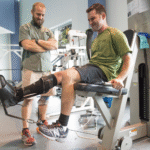
Back pain is one of the most common health problems worldwide. Whether it’s a dull ache, sharp pain, or stiffness, it can affect daily activities, work, and overall quality of life. While many people turn to medications or surgery, physical therapy has emerged as a highly effective, natural approach to relieve back pain and improve mobility.
In this article, we’ll explore what physical therapy is, how it helps with back pain, and what types of treatments are available. We’ll also discuss tips for long-term relief and answer some frequently asked questions.
Understanding Back Pain
Before diving into physical therapy, it’s important to understand why back pain occurs. Common causes include:
- Muscle Strain: Overstretching or tearing muscles in the back due to heavy lifting, sudden movements, or poor posture.
- Herniated Disc: When a disc in the spine slips out of place or ruptures, it can press on nerves, causing pain.
- Degenerative Conditions: Aging can lead to arthritis or disc degeneration, resulting in chronic back discomfort.
- Poor Posture: Sitting or standing incorrectly for long periods can strain muscles and ligaments.
- Inactivity: Weak core muscles and sedentary lifestyles increase the risk of back pain.
Back pain can be acute (short-term) or chronic (lasting more than 12 weeks). Regardless of the type, physical therapy can be an effective solution.
What is Physical Therapy?
Physical therapy, also called physiotherapy, is a healthcare specialty focused on improving movement, reducing pain, and restoring function through exercises, stretches, and hands-on techniques. A physical therapist is a trained professional who assesses your condition and develops a customized plan to target the root cause of your pain.
Unlike medications that only mask pain, physical therapy addresses strength, flexibility, posture, and overall spinal health, helping prevent future injuries.
How Physical Therapy Helps with Back Pain
Physical therapy helps in multiple ways:
1. Pain Relief
Physical therapists use techniques like manual therapy, soft tissue massage, and mobilization to reduce pain and inflammation. These methods relax tense muscles and improve blood flow, which can accelerate healing.
2. Strengthening Muscles
Weak muscles, especially in the core, lower back, and hips, contribute to back pain. Physical therapy exercises focus on strengthening these muscles, providing better support to the spine and reducing strain.
3. Improving Flexibility
Tight muscles in the back, hips, or legs can worsen pain. Stretching exercises recommended by a physical therapist improve flexibility, making daily movements easier and less painful.
4. Correcting Posture
Poor posture is a common cause of chronic back pain. Physical therapists teach posture-correction techniques, including proper sitting, standing, and lifting habits, to prevent recurring issues.
5. Enhancing Mobility
Back pain often limits mobility, making simple tasks like bending or walking difficult. Physical therapy gradually restores movement, helping you regain independence and confidence.
Common Physical Therapy Treatments for Back Pain
There are several approaches used in physical therapy for back pain relief:
1. Therapeutic Exercises
- Core Strengthening: Exercises like planks, bridges, and pelvic tilts strengthen muscles supporting the spine.
- Flexibility Training: Hamstring stretches, yoga poses, and gentle twists improve mobility.
- Balance and Stability Exercises: Activities using a stability ball or balance board reduce the risk of future injury.
2. Manual Therapy
Therapists may use hands-on techniques such as:
- Massage: Reduces muscle tension and improves circulation.
- Joint Mobilization: Gentle movements to improve joint flexibility.
- Soft Tissue Manipulation: Targets ligaments, tendons, and muscles to relieve pain.
3. Heat and Cold Therapy
- Heat: Helps relax muscles and increase blood flow.
- Cold: Reduces inflammation and numbs painful areas.
4. Postural Training
Learning how to maintain proper alignment while sitting, standing, or lifting prevents strain on the back. Physical therapists often use mirrors, braces, or ergonomic recommendations to support correct posture.
5. Education and Lifestyle Changes
Physical therapy isn’t just exercises—it’s also about understanding your body. Therapists provide guidance on:
- Safe ways to lift heavy objects
- How to set up your workspace ergonomically
- Daily routines to prevent flare-ups
Benefits of Physical Therapy Over Other Treatments
While medications or surgery can help in some cases, physical therapy offers unique advantages:
- Non-invasive: No surgery or needles involved.
- Personalized: Each program is tailored to your specific needs.
- Long-term Relief: Strengthening and flexibility exercises prevent future pain.
- Improved Overall Health: Physical therapy improves posture, core strength, and mobility, which benefits your overall well-being.
Many studies have shown that patients who engage in physical therapy for back pain experience faster recovery, reduced pain intensity, and improved function compared to those relying solely on medication.
Tips for Maximum Back Pain Relief
To get the best results from physical therapy:
- Follow the Plan: Consistency is key. Perform exercises as recommended by your therapist.
- Stay Active: Avoid prolonged bed rest, which can weaken muscles.
- Practice Good Posture: Be mindful of your body mechanics during daily activities.
- Use Proper Lifting Techniques: Bend your knees, not your back, and avoid twisting while lifting.
- Combine Therapies: Heat, cold, and relaxation techniques can enhance the benefits of exercises.
Frequently Asked Questions (FAQs)
1. How long does it take for physical therapy to relieve back pain?
It depends on the severity of the pain. Mild cases may improve in a few weeks, while chronic conditions may take 6–12 weeks of consistent therapy.
2. Can physical therapy prevent surgery?
In many cases, yes. Strengthening, flexibility, and posture correction can reduce the need for surgical intervention, especially for herniated discs or muscle-related back pain.
3. Is physical therapy painful?
Exercises should not cause sharp pain. Some mild soreness is normal, but your therapist adjusts exercises to your comfort level.
4. Do I need a prescription for physical therapy?
In some countries, you need a doctor’s referral, but many allow direct access to physical therapists without a prescription.
5. Can I do physical therapy at home?
Yes! Therapists often provide home exercises and techniques that complement in-clinic sessions. Consistency is crucial for results.
Conclusion
Back pain can be frustrating and limit your quality of life, but physical therapy offers a safe, effective, and natural solution. By focusing on strength, flexibility, posture, and education, it addresses the root causes of pain rather than just masking symptoms.
Whether you’re recovering from an injury or managing chronic back issues, consulting a physical therapist and following a tailored plan can provide lasting relief, improve mobility, and help you live a more active, pain-free life.
Remember: your back is your body’s support system—taking care of it with the right exercises and guidance is an investment in your health and well-being.