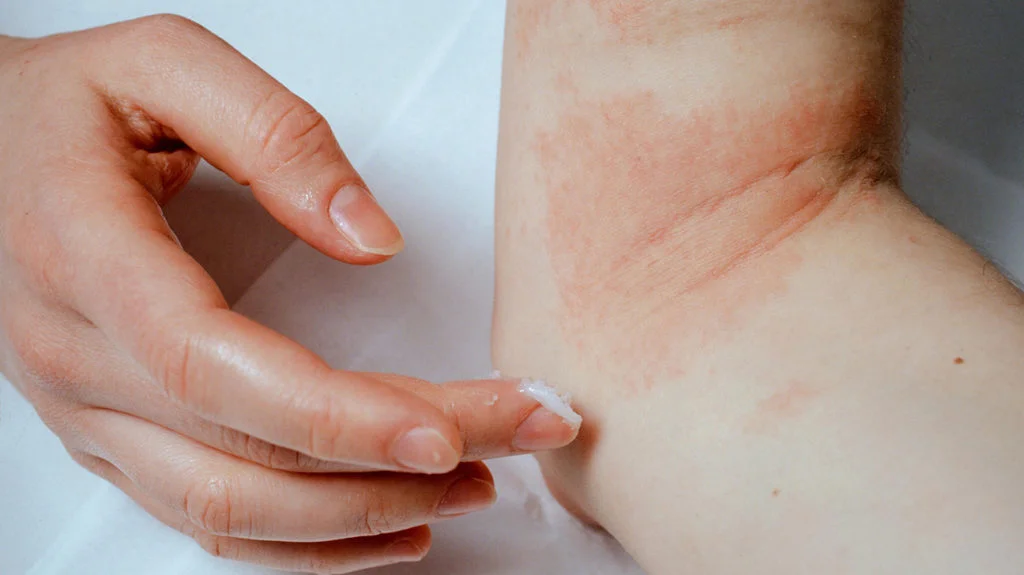
Eczema is a common skin condition that affects millions of people worldwide. If you have eczema and sensitive skin, daily life can feel frustrating. Your skin may itch, turn red, feel dry, or even crack and bleed. Finding the right eczema treatment for sensitive skin can be challenging because many products make symptoms worse instead of better.
This article will clearly explain what eczema is, why sensitive skin needs special care, and the safest and most effective ways to manage eczema gently. Everything is written in simple language to help you understand and take better care of your skin.
What Is Eczema?
Eczema, also known as atopic dermatitis, is a long-term skin condition that causes inflammation. It often appears as dry, itchy, and irritated patches on the skin. Eczema can affect people of all ages, including babies, children, and adults.
Common areas where eczema appears include:
- Face and neck
- Hands and wrists
- Elbows and knees
- Ankles and feet
Eczema is not contagious, but it can be uncomfortable and emotionally stressful.
Why Sensitive Skin Needs Special Eczema Treatment
Sensitive skin reacts easily to chemicals, fragrances, weather changes, and stress. When eczema and sensitive skin occur together, the skin barrier becomes weak. This allows moisture to escape and irritants to enter the skin more easily.
Because of this, harsh soaps, strong medications, and scented products can cause flare-ups. That is why eczema treatment for sensitive skin must focus on gentle care, hydration, and protection.
Common Triggers of Eczema in Sensitive Skin
Understanding triggers is an important part of treatment. Some common eczema triggers include:
- Harsh soaps and detergents
- Fragranced skincare products
- Cold or dry weather
- Hot showers
- Stress and anxiety
- Certain fabrics like wool or polyester
- Dust, pollen, and pet dander
Avoiding these triggers can significantly reduce flare-ups.
Gentle Daily Skincare Routine for Eczema
A simple and consistent skincare routine can make a big difference.
1. Use Mild Cleansers
Choose soap-free, fragrance-free cleansers. Avoid products with alcohol, sulfates, or strong chemicals. Wash with lukewarm water instead of hot water.
2. Moisturize Regularly
Moisturizing is one of the most important steps in eczema treatment for sensitive skin. Apply a moisturizer:
- Right after bathing
- At least 2–3 times daily
Look for creams or ointments with ingredients like:
- Ceramides
- Glycerin
- Shea butter
- Hyaluronic acid
Avoid lotions with artificial fragrance or dyes.
3. Pat Dry, Don’t Rub
After washing, gently pat your skin dry with a soft towel. Rubbing can irritate eczema-prone skin.
Best Medical Treatments for Eczema and Sensitive Skin
When daily care is not enough, medical treatments may be needed. Always consult a healthcare professional before using medications.
1. Topical Corticosteroids
These creams reduce redness and itching. For sensitive skin, low-strength steroids are usually recommended and used for short periods.
2. Non-Steroid Creams
Calcineurin inhibitors are steroid-free options that help control inflammation. They are often used on delicate areas like the face.
3. Antihistamines
These can help reduce itching, especially at night, allowing better sleep.
4. Prescription Moisturizers
Some moisturizers are specially designed to repair the skin barrier and are available by prescription.
Natural and Home Remedies for Sensitive Skin
Many people prefer gentle, natural options. While these are not a cure, they can support eczema treatment.
1. Oatmeal Baths
Colloidal oatmeal helps soothe itching and redness. Use lukewarm water and soak for 10–15 minutes.
2. Coconut Oil
Virgin coconut oil has moisturizing and antibacterial properties. Apply a thin layer to damp skin.
3. Aloe Vera Gel
Pure aloe vera can calm irritated skin and reduce redness. Make sure it is free from alcohol and fragrance.
4. Cold Compress
Applying a cool, damp cloth to itchy areas can help reduce inflammation.
Clothing and Lifestyle Tips
Your daily habits also affect eczema.
Choose Skin-Friendly Fabrics
- Wear soft cotton clothing
- Avoid tight clothes
- Wash new clothes before wearing
Use Gentle Laundry Products
Use fragrance-free and dye-free detergents. Avoid fabric softeners.
Manage Stress
Stress can trigger eczema flare-ups. Try:
- Deep breathing
- Light exercise
- Meditation
- Adequate sleep
Diet and Eczema: Is There a Connection?
Some people with eczema notice symptoms worsen after eating certain foods. Common triggers may include:
- Dairy
- Eggs
- Nuts
- Processed foods
Keeping a food diary can help identify triggers. However, never remove major food groups without medical advice.
Eczema in Children and Babies with Sensitive Skin
Babies often have very sensitive skin, so eczema treatment must be extra gentle.
- Use mild baby cleansers
- Moisturize frequently
- Keep nails short to avoid scratching
- Dress babies in breathable cotton
Always consult a pediatrician before using any medicated creams.
When to See a Doctor
You should see a doctor if:
- Eczema does not improve
- Skin becomes infected (oozing, yellow crusts)
- Itching affects sleep
- Symptoms suddenly worsen
Early treatment helps prevent long-term skin damage.
Long-Term Management of Eczema
Eczema is usually a chronic condition, but with proper care, it can be controlled. The key is consistency. Gentle skincare, trigger avoidance, and proper treatment help keep skin calm and healthy.
Remember, eczema treatment for sensitive skin is not about quick fixes. It’s about building a routine that supports and protects your skin every day.
Frequently Asked Questions (FAQs)
1. What is the safest eczema treatment for sensitive skin?
The safest treatment includes gentle cleansers, fragrance-free moisturizers, and low-strength medicated creams when needed.
2. Can eczema be cured permanently?
There is no permanent cure, but eczema can be well controlled with proper treatment and lifestyle changes.
3. Is natural treatment enough for eczema?
Natural remedies can help soothe symptoms, but moderate to severe eczema often needs medical treatment.
4. How often should I moisturize eczema-prone skin?
At least twice a day, and always after bathing, to lock in moisture.
5. Can stress really cause eczema flare-ups?
Yes, stress can weaken the immune response and trigger or worsen eczema symptoms.
Final Thoughts
Living with eczema and sensitive skin can be challenging, but with the right knowledge and care, it is manageable. By choosing gentle products, understanding triggers, and following a consistent routine, you can protect your skin and reduce flare-ups.