Hip pain describes discomfort located in or around the joint where the thigh bone connects to the pelvis. The condition ranges from mild irritation to persistent pain, and it can limit movement during daily activity. When joint function declines, mobility becomes restricted, so early evaluation supports more effective management over time. Patients often feel aching deep in the joint or notice pain spreading to nearby areas such as the groin or lower back. The hip joint supports body weight during movement, and strain increases when it is used repeatedly in daily activities. When symptoms interfere with walking or routine motion, individuals seek evaluation so that underlying causes can be identified and managed appropriately.
Identifying Causes of Hip Pain
Osteoarthritis is a common source of hip pain. Cartilage that cushions the joint gradually wears down over time, and bone surfaces may begin to rub against each other. When this friction increases, stiffness develops and joint movement becomes more limited as the condition progresses. Bursitis can also contribute to hip discomfort. Small fluid-filled sacs reduce friction near joints, and irritation can cause these sacs to swell. When swelling develops, movement becomes uncomfortable and pain may increase during routine physical activity as the joint continues to move. Tendinitis occurs when tendons become irritated from repeated stress. Tendons connect muscles to bones, and repetitive movement can lead to inflammation. When this inflammation persists, pain may increase during activity and joint function may feel restricted during normal movement patterns.
Managing Symptoms of Hip Pain
Rest is often used to reduce stress on the hip joint. Individuals reduce activity that increases pain, and they apply cold packs to help manage swelling. When swelling decreases, movement becomes more tolerable and individuals can gradually return to light activity as symptoms allow.
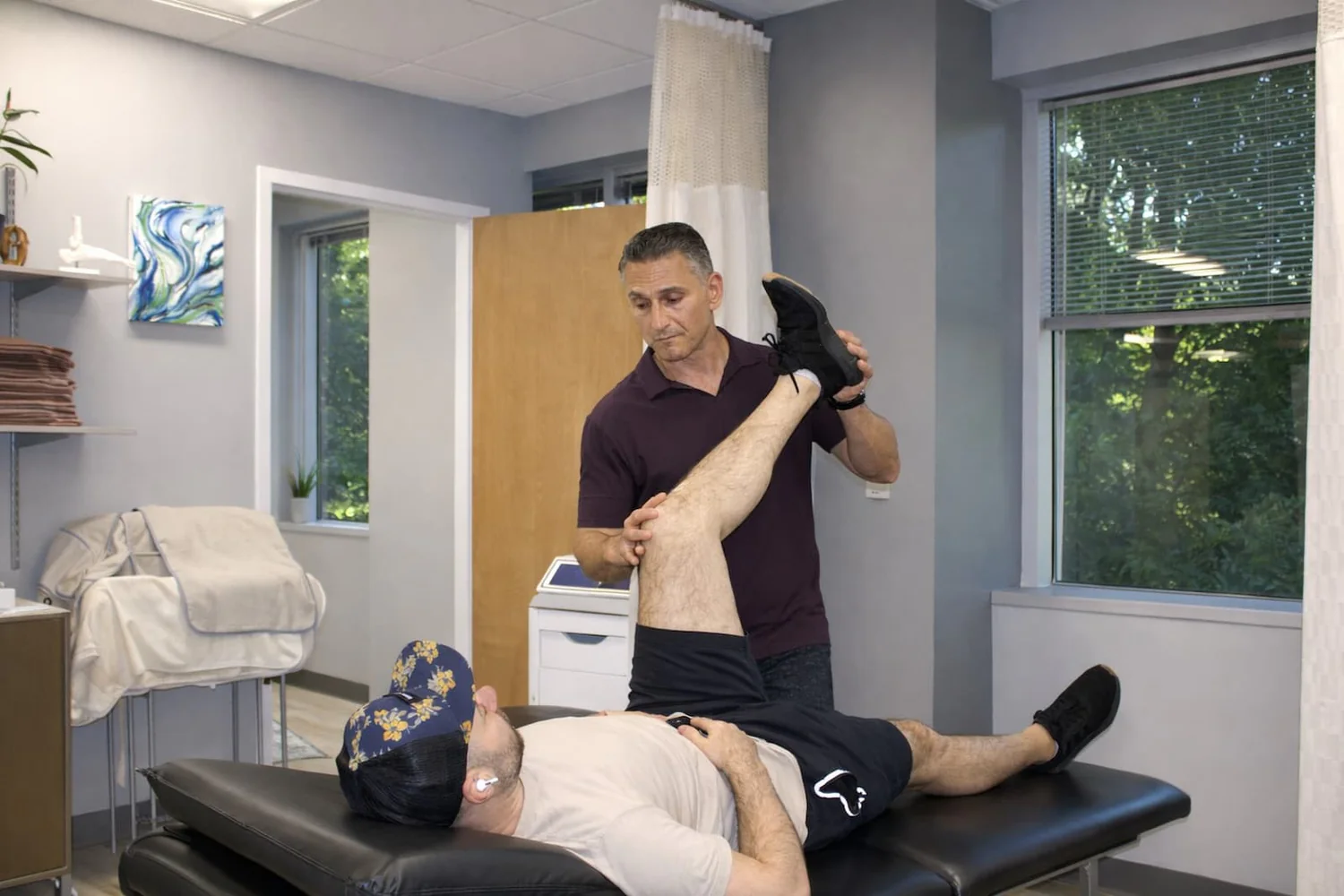
Over-the-counter pain relief options are sometimes used for temporary symptom control. These medications reduce discomfort, and they may support daily function when pain interferes with movement. When symptoms continue despite short-term measures, individuals seek medical evaluation to determine the underlying cause and appropriate treatment approach. Physical therapy supports strength and flexibility around the hip joint. Guided exercises improve movement patterns, and they help reduce stiffness in surrounding muscles. When therapy is performed consistently, mobility may improve and individuals regain greater control over daily movement.
Considering Procedures for Hip Pain
Medical procedures may be recommended when conservative care does not provide enough relief. Joint injections are sometimes used to reduce inflammation, and they may temporarily improve movement. When symptoms persist despite initial treatment, healthcare providers evaluate further options to support joint function. Minimally invasive procedures may be used to assess or treat joint damage. Small instruments allow providers to view internal structures, and they can address certain issues during the same procedure. When internal damage is identified, targeted intervention may be used to reduce pain and improve function. Joint replacement may be considered in cases of severe degeneration.
Find a Specialist
Hip pain develops from multiple conditions that affect joint structure and function. Degenerative changes and repetitive strain both contribute to symptoms, and these conditions can reduce mobility over time. When symptoms interfere with daily activity, structured care helps support long-term function. Individuals manage symptoms through rest and controlled activity. They apply cold therapy to reduce swelling, and they use guided exercises to maintain flexibility. When symptoms continue or worsen, medical evaluation identifies the underlying cause, and appropriate treatment helps support ongoing mobility and joint function. Find a specialist in your area to learn what’s right for you.