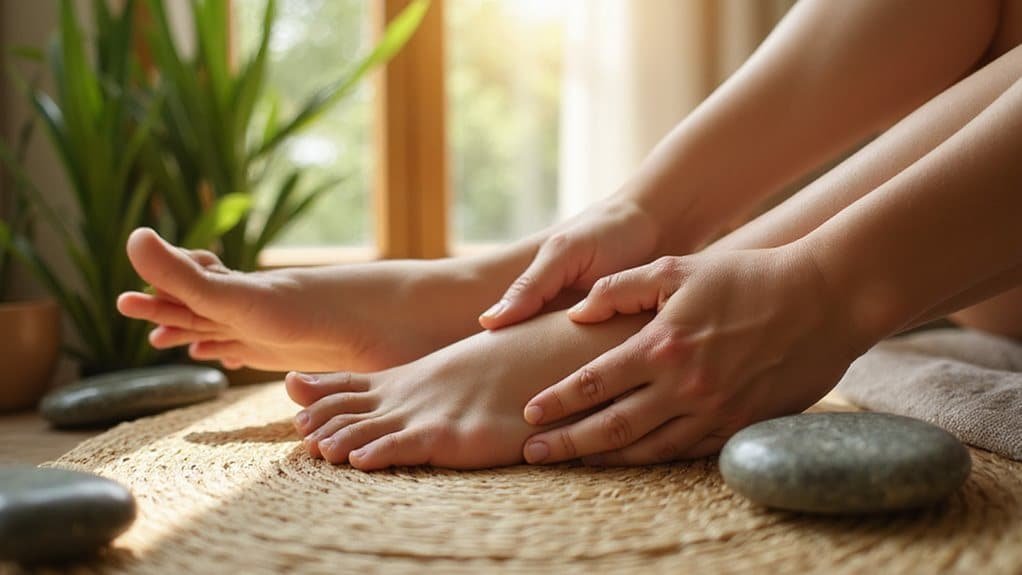
Daily routines include physical hygiene. Individuals clean their bodies, and they monitor changes in physical condition. When individuals overlook specific areas, early signs of irritation or skin issues may go unnoticed, and minor conditions can develop further over time. Routine inspections with a podiatrist or at home help identify issues early on. The skin acts as a protective barrier, and regular attention supports its function. When individuals follow a consistent approach, they maintain skin integrity, and they reduce the likelihood of bacterial entry. Regular care supports cleanliness. Consistency helps maintain hygiene, and repeated habits support routine monitoring. Because feet carry body weight, individuals check them regularly, and they address minor concerns as they appear.
Practicing Hygiene
Regular washing removes dirt and surface buildup. Soap assists in cleaning, and water helps rinse away residue. When water temperature is too high, skin may become irritated, so individuals use moderate temperatures during washing. Gentle friction helps remove debris. Washcloths support cleaning, and soft tools assist under the nails. When skin remains damp after washing, moisture may remain between toes, and individuals dry their feet thoroughly to reduce buildup. Podiatrists also evaluate foot health when ongoing concerns appear, and they assess skin condition alongside hygiene practices. When routine care does not resolve recurring issues, individuals seek professional evaluation from a podiatrist to guide further management decisions.
Maintaining Nails
Nail care supports comfort and reduces pressure on surrounding skin. Clippers trim nails, and files smooth edges after trimming. When nails are cut straight, pressure on surrounding skin is reduced, and individuals shape nails carefully to avoid sharp corners. Clean tools reduce contamination risk. Individuals clean tools after use, and they store them in dry conditions. When tools are not maintained properly, their condition may decline over time, and individuals replace or clean them as needed.
Short nail length supports ease of movement. Shoes apply pressure to long nails, and trimming helps reduce contact between nail and footwear. When nails extend beyond the toe, pressure increases during walking, and individuals maintain shorter lengths to reduce strain. Proper trimming reduces discomfort. Individuals maintain consistent nail care routines, and they adjust length when necessary. When nails are kept at a manageable length, pressure during movement is reduced, and daily walking remains more comfortable.
Selecting Footwear
Appropriate footwear supports protection during movement. Shoes cover the feet, and they help reduce exposure to external surfaces. When materials allow airflow, moisture may be reduced, and individuals select footwear based on daily activity. Shoe fit affects comfort. Tight shoes may restrict movement, and loose shoes may allow friction during walking. When shoes fit correctly, movement remains more stable, and individuals experience fewer pressure points.
Visit a Podiatrist
Routine care supports physical stability. Daily inspections help identify changes, and early attention reduces the likelihood of worsening conditions. When foot concerns are not addressed, movement may become more difficult, and individuals maintain consistent hygiene habits to support daily function. Clean practices support skin condition. Regular washing helps maintain cleanliness, and trimmed nails reduce pressure points. When habits are repeated over time, individuals maintain consistency, and daily routines become more structured. Ongoing care supports mobility. Individuals follow hygiene routines, and they maintain awareness of foot condition. When consistent habits are followed, daily movement remains more manageable, and individuals maintain regular activity patterns. Visit a podiatrist to learn more.