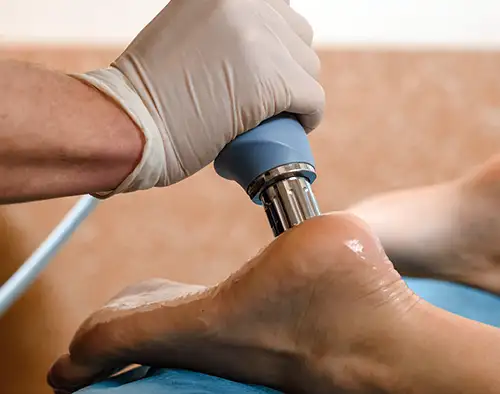
Plantar fasciitis treatments focus on localized foot mechanics. When the connective tissue across your foot gets inflamed, medical interventions target the heel pain. Doctors evaluate your specific physical symptoms, and they recommend appropriate clinical rehabilitation protocols. Here are some innovative treatments for plantar fasciitis and how they might help:
Custom Orthotics
The orthotic devices fit securely inside daily footwear, and they distribute walking pressure evenly. Podiatrists prescribe these rigid, customized plastic shoe molds for plantar fasciitis treatment. While standard shoes offer basic support, prescribed medical inserts alter your specific foot alignment directly.
Orthopedic clinics scan your arch profile digitally, or trained technicians cast your foot in plaster. Because every human arch features a completely unique shape, mass-produced insoles miss precise biomechanics. Custom fabrication requires specialized modern medical laboratory equipment. This may involve:
- Rigid orthotics: Designed from firm materials such as plastic or carbon fiber, these are ideal for controlling motion and providing excellent structural support.
- Soft orthotics: Made from cushioned materials, they provide comfort and shock absorption, used for conditions like diabetic foot and arthritis.
- Semi-rigid orthotics: A mix of control and flexibility, these are used for athletes to enhance performance while maintaining comfort.
Physical Therapy
Daily stretching regimens effectively lengthen the tight calf muscles. If the Achilles tendon remains constantly rigid, it places excess strain on the heel. Trained therapists guide patients through specialized exercises, and these controlled movements target lower leg tissues.
Night splints hold the affected foot perfectly rigid. Your local therapist introduces elastic resistance bands, and you perform guided stretching during clinic visits. While manual deep massages break up hard scar tissue, ultrasound machines deliver penetrating heat therapies.
As you complete the supervised outpatient sessions, you gradually build strength and flexibility. Progress may seem slow, but steady improvement typically adds up over time. While setbacks happen, regular communication with your therapist helps address challenges promptly and adjust the treatment plan as needed.
Various Injections
Corticosteroid medications are used to reduce severe localized heel swelling directly. Doctors administer these shots carefully, and patients rest their feet afterward. While these injections may relieve immediate pain, multiple doses weaken tissue over time.
After clinicians centrifuge the extracted blood, they isolate the concentrated healing factors. The resulting serum is injected directly into the damaged heel ligament. Because needles cause brief discomfort, local anesthetics numb the targeted foot area first.
Adjusted Activities
High-impact sports aggravate existing micro-tears, so runners must modify their workout routines. Swimming provides excellent cardiovascular exercise without striking hard ground. If you pause intense daily jogging, the inflamed foot arch heals much faster. Try these approaches:
- Review your daily footwear choices.
- Track your specific morning pain triggers.
- Gather your previous diagnostic imaging records.
When physical demands exceed tissue limits, continuous strain prolongs the underlying injury. Workplace modifications reduce standing hours, and padded floor mats soften hard surfaces. Supportive footwear absorbs daily shock during routine walking tasks.
Find Plantar Fasciitis Treatment
While home remedies offer temporary relief, clinical evaluations identify specific structural problems. You need proper expert advice, and specialized clinics provide comprehensive diagnostic testing. Contact a local foot and ankle doctor today to start your targeted recovery plan.