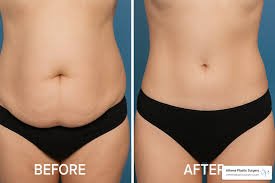
Many individuals pursue specific physical proportions through structured lifestyle habits, but some targeted fat deposits remain resistant to traditional methods. Medical advancements provide surgical options to alter and refine physical profiles. Liposuction serves as a well-established surgical intervention that is designed to remove localized adipose tissue, shaping physical contours.
What Is Liposuction?
Liposuction is a cosmetic surgical procedure that is engineered to extract excess fat from specific regions of the human body. Plastic surgeons utilize this intervention to sculpt areas that disproportionately retain adipose tissue. Common treatment sites encompass the abdomen, thighs, buttocks, and hips. Surgeons also perform the operation on smaller areas, such as the chin, neck, and arms.
It is necessary to recognize that liposuction does not function as a medical treatment for obesity or a generalized weight-loss solution. The procedure targets localized fat cells to alter the overall silhouette. Once a surgeon removes these specific fat cells, they do not regenerate. The surrounding skin then adapts to the new underlying contours. Medical professionals may combine liposuction with other surgical interventions to achieve comprehensive body contouring goals.
What Are the Types?
Medical technology presents multiple specialized techniques for performing liposuction. Tumescent liposuction represents the most frequently performed variation. A medical professional injects a sterile solution directly into the targeted fat deposits. This fluid mixture typically contains saline to facilitate fat extraction and epinephrine to constrict adjacent blood vessels. Following this step, the surgeon makes small incisions and inserts a cannula under the skin. A vacuum mechanism attached to the cannula suctions out the fat.
During this procedure, the surgeon utilizes ultrasonic energy. These sound waves break up the fat cells, and this liquefaction makes the fat easier to extract. Laser-assisted methods utilize laser light to break down fat for extraction. Similar to the ultrasound method, the liquefied fat is then removed via a cannula. Power-assisted devices employ a cannula that moves back and forth in a rapid, vibrating motion.
What Can It Benefit?
Liposuction specifically addresses disproportionate fat distribution that persists despite active physical conditioning and dietary management. It effectively reduces bulges that disrupt a uniform body profile, such as distinct flank accumulations. A suitable candidate for this surgical intervention meets several specific medical and physical criteria. Candidates should maintain a stable weight that sits at or near their ideal goal, as individuals actively fluctuating in weight may compromise their long-term structural results.
Candidates must possess firm, elastic skin and good muscle tone. Skin with excellent elasticity can conform smoothly over the newly contoured areas. If a patient presents with thin or inelastic skin, the treated areas may appear uneven following the operation. Patients should be in strong overall health. Certain medical conditions elevate surgical risks and disqualify individuals from elective procedures.
Consult a Plastic Surgeon
Making the decision to undergo a cosmetic procedure requires a thorough evaluation of personal goals and potential medical outcomes. Scheduling a formal consultation with a plastic surgeon serves as the necessary first step in this process. During a preoperative visit, the physician may review your medical history, evaluate your physical condition, and discuss realistic expectations regarding final contours. Every surgical intervention requires a dedicated healing period, which can involve compression garments and temporary activity restrictions. A qualified medical professional will provide explicit postoperative instructions to support optimal healing and help you achieve your desired aesthetic outcome.