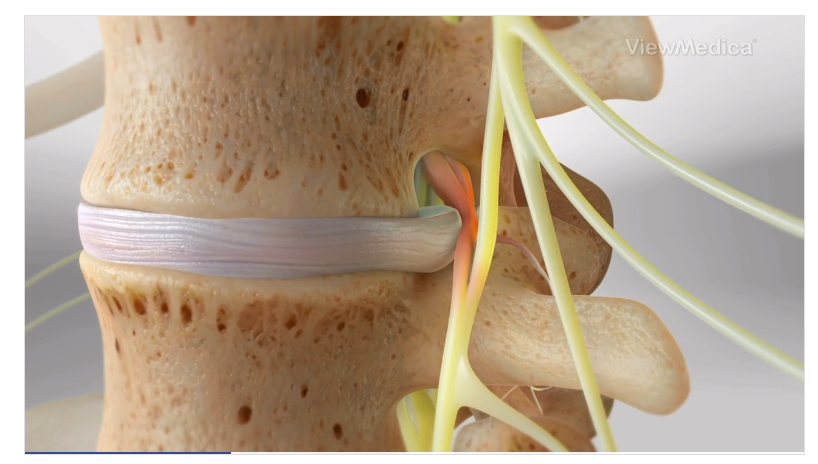
Sciatica pain typically starts in the lower back, and it may travel down the leg. Doctors use epidural injections for this problem, and the treatment targets irritated spinal nerves. Since inflamed tissue can cause sciatic pain, these injections place medicine near the source. Here is more information on what the injection contains, where it goes, and how it may help manage symptoms:
Containing Anti-inflammatory Medicine
An epidural injection typically contains a corticosteroid, and it may also include a local anesthetic. The steroid is used to reduce inflammatory activity, and since swelling around a nerve root increases pain, this medicine aims to address that process. Some injections include one drug, but others use a combination. When a clinician selects the mixture, the choice depends on symptoms, exam findings, and treatment goals.
Injected Into Epidural Space
The epidural space sits around the spinal cord and nerve roots, and it contains fat and blood vessels. Doctors place the needle into this space. As the medicine needs to reach the irritated nerve region, placement affects how the injection works.
A clinician may use imaging guidance, and that step helps confirm needle position. Fluoroscopy is a standard option. When contrast dye outlines the target area, the clinician sees where the medicine will spread. Epidural injections follow a short sequence, and visits typically take a limited time.
Standard steps include:
- Skin cleaning
- Needle placement
- Medication injection
Reducing Inflammation
Inflammation near a lumbar nerve root may result from a disc problem, and that irritation triggers leg pain. Swelling may increase this pressure. Since pressure and chemical irritation may occur together, symptoms may persist during sitting, walking, or bending.
Steroids act on inflammatory pathways, and they aim to lower local irritation. This effect is not instant. When inflammation decreases over time, some patients have less leg pain or less tingling.
Doctors may recommend this treatment after other measures, and the timing depends on the full clinical picture. Short-term rest, physical therapy, and oral medicines are examples. As symptoms vary by cause and duration, treatment plans differ between patients.
Controlling Pain
Pain control is one reason for epidural treatment, and the goal is improved function. Relief varies. Because sciatica has several causes, response differs from one person to another.
Some people report reduced pain during daily tasks, and others notice only a mild change. Activity level matters. When pain decreases enough to allow movement, walking, or therapy may become easier.
A doctor may review several points before treatment, and that review helps guide safe planning; these may include:
- Symptom pattern
- Imaging results
- Medicines
- Spine treatments in the past
Other factors, such as overall health and lifestyle habits, can also influence the effectiveness of treatment. Open communication with your healthcare provider is essential to create a plan tailored to your specific needs and progress.
Get Epidural Injections Near You
If sciatica pain limits your routine, an epidural injection may be one treatment option. Talk with a qualified spine or pain specialist, and ask how the procedure fits your diagnosis. Since proper evaluation guides treatment choice, bring your imaging, medication list, and symptom history. Contact a local provider to schedule an assessment and discuss next steps.