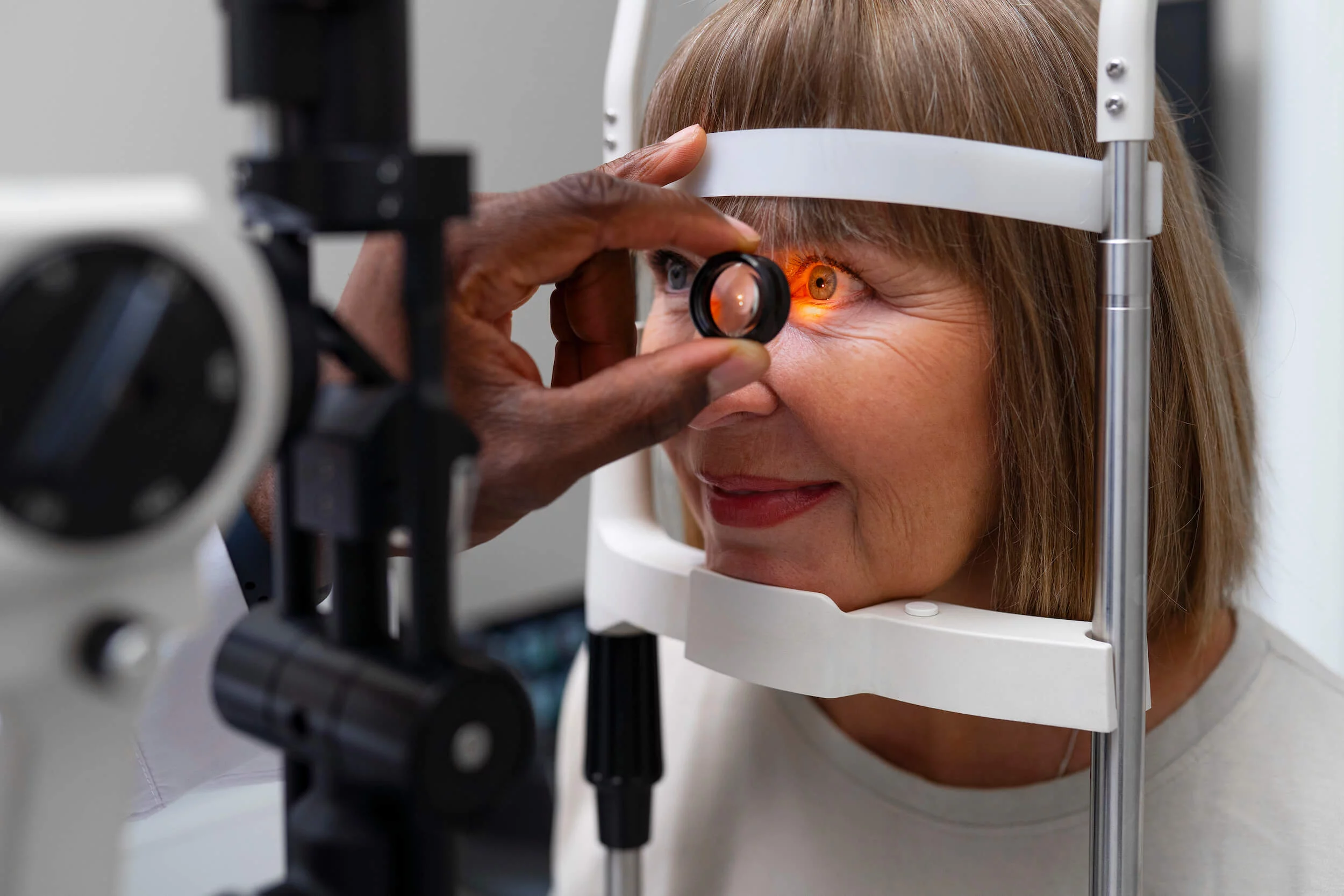
Your vision may change due to natural aging, eye conditions, or underlying health issues. Optometrists help correct vision problems, and they identify signs of certain eye diseases. Knowing when to consult an eye specialist can protect your eye health and make sure you get the right care when you need it. Here are a few signs that suggest you should consult an eye doctor:
Blurred Vision
Blurry vision affects your eyes’ ability to focus, which makes it challenging to complete everyday activities normally. This symptom sometimes indicates a refractive error, such as astigmatism; an eye specialist can help you get the right prescription. Blurred vision also accompanies cataracts or other eye conditions. A visit to a specialist helps clear up uncertainty by providing a diagnosis and appropriate treatment.
Blurred vision can affect one eye or both eyes, and the change sometimes appears gradually or suddenly. A comprehensive eye exam helps determine whether the problem relates to your prescription or another eye condition. The results also help an optometrist determine suitable treatment or vision correction.
Some people notice blurred vision while reading, driving, or using digital screens, while others identify changes when viewing objects at a distance or up close. If blurred vision persists or affects daily activities, scheduling an eye exam can clarify the change. An eye exam also helps identify potential underlying conditions, such as dry eye.
Fluctuating Vision
Changes in vision could indicate an underlying eye problem that requires treatment. Tracking when and how often your vision changes helps your eye doctor better understand the possible causes. A professional evaluates your concerns, and they determine whether the issue is related to your current prescription or another eye condition. To provide useful information at your eye exam, you may record:
- When the vision changes occur, such as during certain activities or times of day.
- How often the changes occur and whether they are becoming more frequent.
- Which eye is affected, including whether the changes occur in one eye or both.
- What the changes feel like, such as blurred vision, difficulty focusing, or changes in near or distance vision.
- Whether the changes vary throughout the day.
Eye Discomfort
Prolonged screen time may trigger eye discomfort, making it challenging to identify the exact cause without professional evaluation. If you experience dry eyes, blurred vision, or headaches after spending long periods in front of digital screens or reading, limit your screen time. Persistent eye irritation needs attention; acting early helps prevent symptoms from worsening and reduces the risk of further discomfort.
When you visit your eye doctor, share your medical history, including any eye diseases or relevant surgeries. This information helps your doctor understand your symptoms and determine available diagnostic and treatment options. Other factors that cause eye discomfort include:
- Non-prescription contact lenses: Wearing non-prescription contact lenses can lead to infections or corneal abrasions.
- Allergies: Eye allergies sometimes cause dryness, watering, and other forms of irritation.
- Foreign bodies: Small particles, such as dust, sand, and makeup, can enter the eyes and cause discomfort.
Light Sensitivity
If your eye issues include light sensitivity, your cornea and lens should be examined. Conditions such as a corneal abrasion or glaucoma are easier to manage when detected early. You may also be advised to wear sunglasses or polarized lenses to protect your eyes from harmful UV rays.
Excessive light sensitivity affects how you perform everyday tasks, such as driving and working outdoors. If your eyes have trouble adjusting to glare or everything seems different, visit your eye specialist soon, especially if the change is recent. Avoid waiting for the condition to fade; seek professional care to protect your eye health and prevent potential complications.
Visual Distortions
Symptoms of visual distortion include double vision, flashes, floaters, and wavy lines. These symptoms affect how you see, and sudden or changing distortions need prompt attention. Your eye doctor will examine your eyes to determine whether testing is needed, which may include a comprehensive assessment of your vision and overall eye health.
Visit an Eye Doctor
Visual changes that continue, worsen, or affect daily functioning should not be ignored. An eye examination helps identify the cause of the change, and it can determine whether treatment or vision correction is needed. If you experience any unusual visual changes, schedule an appointment with an eye doctor today.