Easing Muscle Contractions
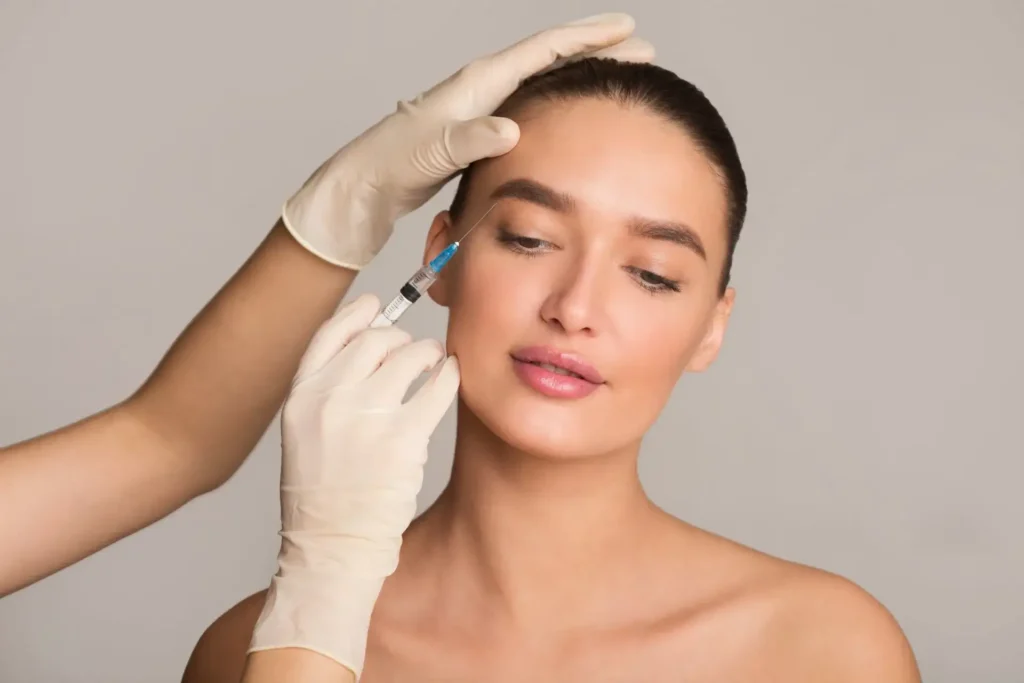
Since the nervous system communicates with muscles through a network of specialized receptors, Botox works by interfering with this communication. Botox injections temporarily interrupt facial neuromuscular signaling, allowing the skin to relax and stay smooth. During a treatment session, a practitioner injects botulinum toxin into specific facial muscles; the substance blocks the localized release of acetylcholine. Acetylcholine is a key chemical messenger responsible for triggering muscle contractions.
Without the acetylcholine chemical signal, the targeted muscle remains in a relaxed, resting state. Botox addresses the structural causes of facial creasing without permanently altering someone’s underlying anatomy, as it pauses communication between nerve and muscle. The nerve communication returns over time, allowing facial muscles to regain mobility.
Repeated muscle contractions from everyday expressions like smiling, frowning, or squinting contribute to the formation of dynamic wrinkles. Dynamic wrinkles appear as muscles contract, while static wrinkles remain visible even when the face is completely at rest. By keeping the underlying muscles relaxed, Botox prevents the overlying skin from creasing repeatedly.
Reducing Fine Lines and Wrinkles
Botox injections target specific areas, so the other surrounding facial muscles continue to function normally. This precise application allows individuals to maintain natural facial expressions while achieving a noticeably smoother appearance in the treated area, such as the forehead. The primary focus of neurotoxin treatment is to soften existing dynamic lines and prevent new ones from deepening into static wrinkles.
Providing Precise Targeted Results
One of the defining characteristics of this procedure is its high degree of accuracy. Practitioners administer neurotoxin solutions using ultra-fine needles, enabling the medication to affect only the intended facial muscles. Sessions are generally brief and highly efficient, typically lasting between 10 to 15 minutes. Some common treatment areas to address include:
- Glabellar Lines (Between the Eyebrows)
- Crow’s Feet (Around the Eyes)
- Neck Band Lines
- Bunny Nasal Lines
Since the procedure requires minimal downtime, many individuals return to their daily activities immediately following their appointment. Results appear within a few days, but the full aesthetic effect may take up to two weeks to become visible. The outcome is a temporary reduction in wrinkles that generally lasts for three to four months. Once the biological effects wear off, normal muscle action gradually returns to its previous baseline state.
Learn About the Benefits of Botox
If you are exploring options for managing facial wrinkles, consult with a board-certified dermatologist to discuss your goals. A qualified provider can determine if this treatment aligns with your structural goals and outline a clear care plan. This consultation helps you understand how botulinum toxin works and how it may benefit your skin. Contact a dermatologist today, as they can determine which treatments are most effective.