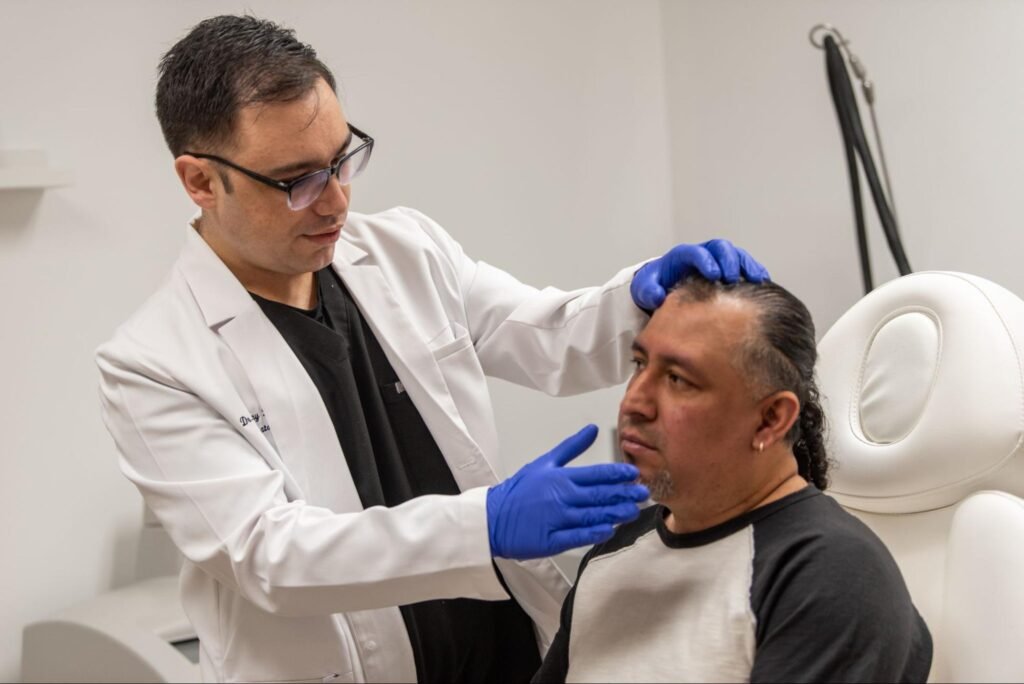
Skin is the body’s largest organ, and it is constantly exposed to the outside world. Many conditions, from acne to skin cancer, first appear on the skin’s surface, necessitating specialized care. Regular dermatology check-ups give patients a structured way to monitor changes, catch problems early, and maintain skin health over time. Here is more information on what dermatology involves, the services available, and the specific benefits of scheduling routine appointments:
What Is Dermatology?
Dermatology is the branch of medicine that focuses on the skin, hair, nails, and mucous membranes, and a dermatologist is a medical doctor who diagnoses and treats conditions affecting these areas. Their training covers many skin disorders, ranging from common concerns like eczema to rare and serious diseases. By specializing in this field, dermatologists develop the expertise needed to identify subtle signs that a general practitioner may overlook.
What Are the Available Services?
Dermatology covers a wide range of medical, surgical, and cosmetic services. Common services include:
- Medical care, such as treatment for acne and skin infections
- Surgical procedures, such as skin tag removal
- Cosmetic treatments, such as chemical peels and injectables
A dermatologist will recommend the option that suits a patient’s condition.
What Are Dermatology Check-ups?
A dermatology check-up is a routine examination of the skin, hair, and nails performed by a qualified specialist. The purpose is to assess overall skin health and to detect any abnormalities at an early stage. These appointments are preventive in nature, which sets them apart from visits prompted by a specific complaint. Patients with a history of skin cancer or chronic conditions may attend more frequently than those with no notable concerns; these appointments help them maintain healthy skin.
What Do They Involve?
A standard dermatology check-up begins with a review of the patient’s medical history, and then the dermatologist performs a full-body skin examination, inspecting the surface for moles, lesions, and discolorations. During this process, the practitioner may use a dermatoscope. This is a handheld device that magnifies the skin to reveal detailed structures. If the dermatologist identifies a suspicious area, they may perform a biopsy by removing a small tissue sample for laboratory analysis.
The examination is generally quick, causing minimal discomfort. Patients receive guidance on monitoring their skin between appointments, including recognizing warning signs. The dermatologist may also recommend specific products or routines based on the findings; this combination of examination and education forms is key to preventive skin care.
How Are Regular Check-ups Beneficial?
Regular check-ups support early detection, which is a significant advantage for patients. Skin cancer, including melanoma, is highly treatable when found early. A dermatologist can identify warning signs before they develop into serious conditions; this gives patients a better chance of successful treatment. Catching a problem in its early stages can mean simpler and less invasive care.
Routine appointments also allow for ongoing monitoring of existing conditions. Patients with chronic disorders, such as eczema or rosacea, benefit from consistent oversight, which keeps symptoms under control. The dermatologist can adjust treatment plans as a condition evolves over time, and this continuity of care may lead to better long-term outcomes. Check-ups also offer education and guidance. A dermatologist may advise patients on sun protection, skincare routines, and lifestyle factors that affect skin health.
Schedule a Check-up Today
Regular dermatology check-ups give patients a reliable way to protect their skin, and dermatologists help manage existing conditions. A dermatologist also provides expert examination, accurate diagnosis, and tailored guidance that supports long-term skin health. If you are looking to improve your skin health, consult a dermatologist for a comprehensive evaluation.