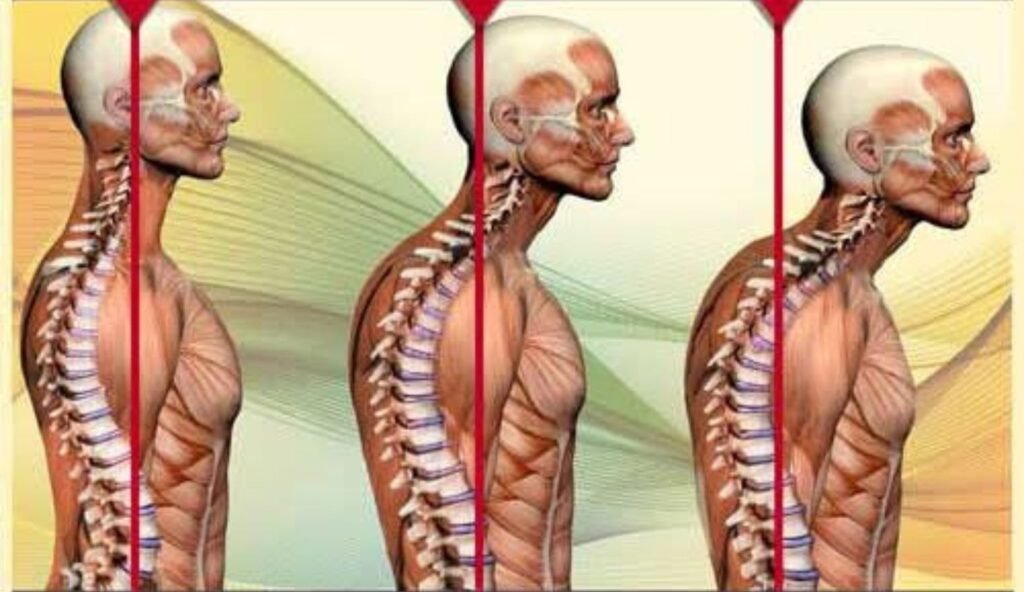
Neck pain can develop when poor posture places extra strain on the muscles, joints, and soft tissues that support the head and spine. Daily habits such as sitting for long periods or using an unsupportive workspace may contribute to discomfort over time. Here is an overview of the relationship between neck pain and posture:
Identifying Postural Strain
Specific movements create predictable strain patterns that can cause neck pain. When individuals maintain a forward head position, the cervical spine loses its natural curve. After the natural curve disappears, the upper back rounds forward, and the neck must hyperextend to keep the eyes level.
This altered alignment strains the ligaments. Ligaments normally support the joints, but chronic tension weakens their structure. As ligaments weaken, they fail to stabilize the cervical spine properly. Although the body attempts to adapt to the new position, the constant strain may cause microtears in the tissues, triggering persistent neck discomfort. Repetitive motions often worsen these strain patterns. Office workers constantly look down at their phones, and drivers hunch over their steering wheels.
Reducing Muscle Stress
The cervical joints guide head movement, and they require proper spacing to function smoothly. If muscles pull unevenly on the spine, the joint spaces narrow significantly. When the joint spaces close, the bones rub together painfully, and this friction may accelerate early joint degeneration.
Neck muscles contract continuously to hold the head up, and this nonstop work depletes their energy. After muscles run out of energy, they develop tight bands called trigger points. Although these trigger points form locally, they often radiate pain into the shoulders, and the resulting neck pain may limit a patient’s range of motion.
Joint inflammation follows muscle fatigue; the inflamed joints swell noticeably, compressing nearby nerves. When swollen tissues press against nerves, patients can experience sharp and shooting sensations. If nerve compression persists without intervention, the pain travels down the arms, and individuals can experience numbness in their fingers.
Adjusting Daily Habits
Certain lifestyle changes may provide key benefits. Before attempting complex therapies, individuals must evaluate their standard workstations. Here are helpful adjustments to reduce neck pain and make sure your spine stays aligned:
- Monitor placement: Position the computer screen at eye level to prevent looking downward.
- Chair support: Use a chair with proper lumbar support to keep the lower back straight.
- Phone usage: Hold mobile devices higher to avoid excessive neck bending.
- Frequent breaks: Stand up every few minutes to reset the body’s posture.
These fundamental steps can relieve joint pressure. When people follow these ergonomic rules, their muscular tension may drop significantly.
Preventing Future Strain
Providers prescribe physical therapy for neck pain, and they recommend targeted stretching routines. If conservative methods fail, doctors use diagnostic imaging to identify the exact issue. While some patients require advanced interventions, most can find relief through basic care, and this non-invasive approach can restore normal joint mechanics.
Hydration plays a key role in spinal health. The spinal discs require water to maintain their height, and dehydrated discs lose their shock-absorbing capabilities. When discs flatten, the surrounding nerves experience increased pressure. Proper water intake keeps the soft tissues pliable, and this elasticity helps the neck absorb sudden impacts safely. Professional guidance is always helpful; specialists evaluate a patient’s unique spinal mechanics, and they design customized recovery plans.
Schedule Your Neck Pain Appointment
Addressing neck discomfort promptly and effectively is key to promoting long-term comfort and mobility. Through proper posture, targeted exercises, and professional intervention when necessary, individuals can significantly reduce the risk of chronic issues and improve their quality of life. Contact a qualified orthopedic specialist near you to schedule your neck pain appointment today.