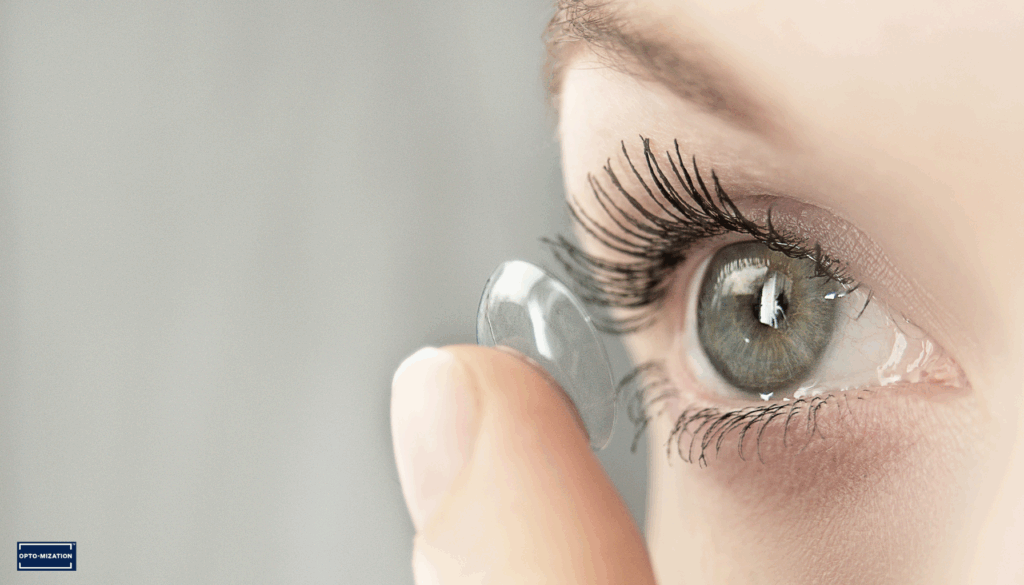
Contact lenses are a method of correcting vision errors without using lens frames. Millions of individuals wear these thin plastic discs on the surface of their eyes, and modern optical manufacturers produce them in both daily disposable and monthly reusable formats to suit different preferences. Because they sit on the eye, they offer a wider field of peripheral vision than spectacles typically do. Glasses, though, offer their own distinct advantages as well.
Advantages of Contact Lenses
Athletes frequently choose contact lenses for their physical activities, and these devices do not change clarity when introduced to a sudden temperature change or precipitation. When wearing them outdoors during the summer months, individuals can use standard nonprescription sunglasses without buying prescription sunglasses. Contacts move naturally with the movement of the eye.
Monthly lenses require daily cleaning to prevent bacterial buildup, and modern materials allow oxygen to reach the eye’s surface. This breathability reduces the risk of corneal hypoxia during prolonged periods of wear. Many users appreciate the lack of distracting reflections, and professional photographers may find them particularly useful when looking closely through camera viewfinders.
Contacts offer a wider field of view compared to traditional eyeglasses, as they conform directly to the curvature of the eye. This eliminates issues like frame obstructions and image distortion that can occur with glasses. For individuals involved in sports or physically demanding activities, contact lenses provide a secure and stable vision solution, reducing the risk of damage or inconvenience associated with glasses.
Advantages of Glasses
Glasses offer a straightforward and highly reliable approach to daily vision correction. Since they do not touch the surface of the eye directly, they reduce the overall risk of developing eye infections. Individuals can easily take them off before sleeping, and they require minimal maintenance beyond an occasional wipe with a microfiber cloth.
Spectacles shield the eyes from dust and environmental debris, and optical laboratories can apply special coatings to block ultraviolet light. Framed lenses block wind from the surface of the eye. For individuals with chronic dry eye syndrome, glasses will not exacerbate the condition by absorbing natural tears. Glasses frames can last several years. They resist shattering, and they can often be repaired at an eye doctor’s office if there is any minor damage.
Lifestyle Considerations
Specific daily activities often determine the most practical eyewear choice for each individual’s situation. Office workers might strongly prefer glasses to avoid digital eye strain during long shifts, but outdoor laborers often favor the freedom of contacts. Daily hygiene protocols, ocular disease, and ease of use are other considerations to think about. Because contact lenses require more care, cleaning practices should be integrated into daily life. Glasses are less secure than contacts, which may also alter an individual’s choice.
Schedule an Evaluation for Contact Lenses
To determine which option suits your lifestyle best, an optical clinic can perform an exam for both glasses and contacts. Individual measurements are used to fit both contact lenses and glasses. Contact an eye doctor today and schedule an evaluation for prescription lenses.