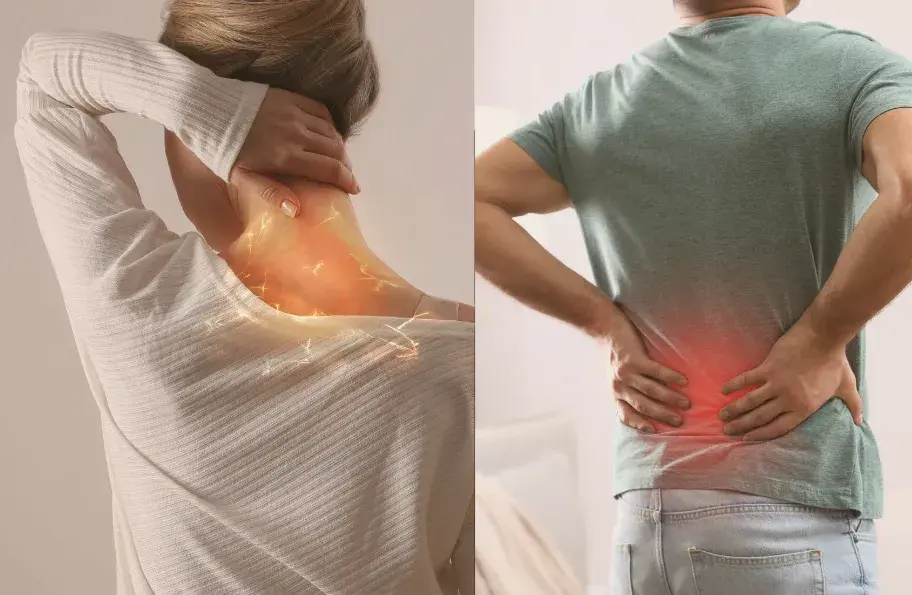
Managing long-term physical discomfort requires a structured, practical approach supported by consistent routines and targeted interventions. Incorporating lifestyle modifications, such as new habits and structured physical techniques, helps establish a stable foundation for daily support, and it reinforces overall functional capacity. A range of strategies is available to address specific symptoms and underlying causes, including physical therapy. By working collaboratively with a healthcare provider, individuals can develop a management plan tailored to their needs. Here are several lifestyle changes designed to help with chronic pain management:
Participating in Physical Therapy
Adding physical therapy to your weekly schedule offers an active way to support your physical health. A physical therapist evaluates your specific movement patterns, and they build a targeted exercise routine to meet your needs. This lifestyle adjustment involves dedicating specific time each day to strengthening the muscles surrounding your joints and spine. Relying on these sessions allows you to build improved support for your body’s structure, potentially reducing chronic pain.
Building stronger muscles delivers key support for your entire skeletal system. Your therapist supplies helpful guidance, showing you targeted stretches to practice at home and integrate into your daily habits. These movements work to enhance flexibility, and they help maintain the physical range of motion throughout your body.
Utilizing Transcutaneous Electrical Nerve Stimulation
Including a transcutaneous electrical nerve stimulation (TENS) device in your daily habits offers a helpful management tool. This small, battery-powered unit delivers low-voltage electrical currents through adhesive pads placed on your skin’s surface. A pain management specialist can provide a prescription for a TENS device, and they’ll show you how to use it properly for your needs.
When you activate the device, gentle electrical impulses move through your nerve fibers; this disrupts the physical signals traveling from the affected area to your brain. You can adjust the settings as needed, tailoring the stimulation to match your specific pain requirements at different times. Including this technique in your routine offers an accessible, non-invasive way to address physical discomfort as it arises throughout the day. As long as the placement and duration are followed as prescribed, you may use the TENS unit:
- While reading
- At your work desk
- While running errands
- During light household chores
Receiving Epidural Steroid Injections
For chronic pain that persists, particularly when linked to the spine, you may contemplate adding epidural steroid injections to your long-term management strategy. Healthcare professionals administer these targeted injections directly into the epidural space surrounding your spinal nerves. This injection uses an anti-inflammatory medication to target localized swelling at the root. The treatment reduces physical inflammation near the spinal nerves, and it works to limit physical signals traveling to other parts of the body, such as your legs or arms. To optimize results, coordinate with your healthcare team to determine the most helpful schedule for these treatments.
Implementing Peripheral Nerve Stimulation
Peripheral nerve stimulation (PNS) is a more advanced structural addition to your chronic pain management routine. For this technique, a physician places a small electrode wire directly beside a targeted peripheral nerve. They also connect it to a compact external or implanted battery pack. This specialized device sends quick electrical pulses right to the targeted nerve.
Much like the TENS unit, these pulses modify the physical signals traveling through the nerve pathway. They deliver a focused response to specific pain locations. Incorporating PNS involves a straightforward procedure, and it requires you to follow a fundamental daily routine for effective use. As a helpful, customizable solution, this technique offers ongoing local support for managing physical symptoms that do not respond well to other interventions.
Consult a Chronic Pain Specialist
Developing a routine for chronic pain management requires practical decisions and clear guidance. Physical therapy can improve strength, mobility, and daily function. A TENS unit offers a non-invasive option for symptom relief. Epidural steroid injections help reduce inflammation in targeted areas, and peripheral nerve stimulation can regulate pain signals over time. These approaches provide tools to support daily stability and movement. Consult a pain specialist to determine which options fit your needs.