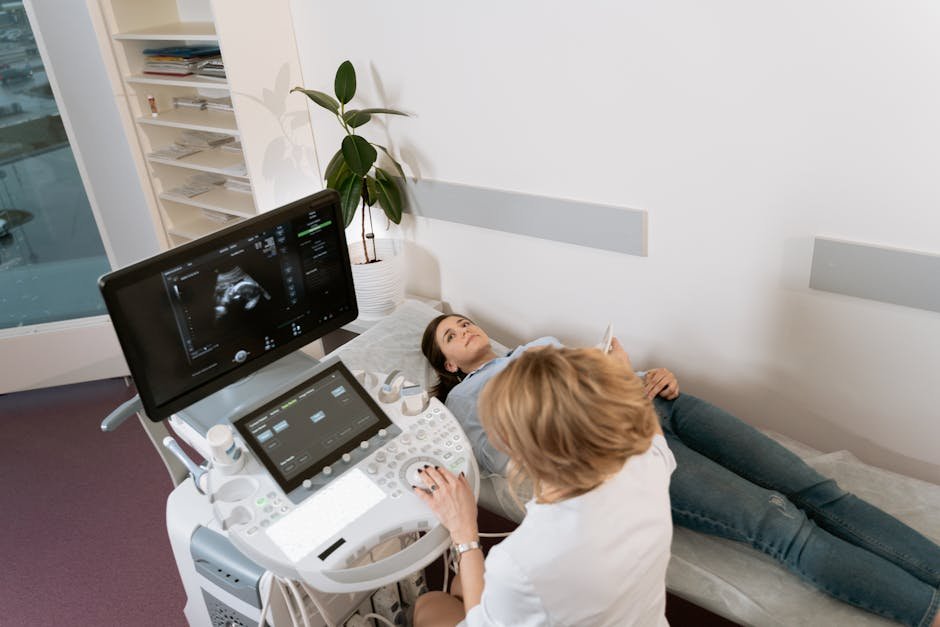
Postpartum care begins immediately after childbirth. Your body changes, and your gynecologist monitors these physical shifts. Because physical recovery takes time, doctors schedule postpartum gynecology visits. Healing requires attention, so professionals track your vital signs.
What Evaluations Take Place?
Postpartum visits include a physical healing assessment, and they help set a foundation for ongoing recovery. These checks monitor your health, coordinate next steps, and guide you in addressing challenges. Your provider will discuss any difficulties. This evaluation offers practical help for managing concerns, and it creates chances to discuss symptoms.
- Measurements and vital signs, such as blood pressure, temperature, and heart rate, are reviewed at each visit.
- Risks such as infections, abnormal bleeding, and slow incision healing are identified during the examination.
- Uterine size, healing of perineal or abdominal areas, and stitches are regularly checked.
- Bladder, bowel health, and weight changes are discussed during appointments.
Gynecology care may include a routine pelvic exam. Blood pressure fluctuates, so doctors closely monitor these levels. If infections occur, tests detect problems. Doctors can prescribe medication. Incisions require careful medical observation. Healing takes time, so specialists check your surgical sites. If complications arise, doctors inspect wounds and apply new bandages. Doctors evaluate your bleeding, tracking recovery patterns. Before concerns escalate, experts intervene to prevent excessive blood loss.
What Treatments Support Recovery?
Gynecologists address common discomforts, and they offer practical steps for recovery. Tissues heal at different rates, so staff can recommend various pain management strategies. Hormone changes after pregnancy can shift your mood, energy, or skin. Doctors discuss options for self-care. If breastfeeding, you can ask about nipple pain, blocked ducts, or breast infections. Explore relief options.
Discomfort during urination or bowel movements is addressed, with advice on safe practices, gentle routines, and referrals. Your care plan may include other professionals to match your needs. Open communication is encouraged, and your care plan adapts to changing needs or questions. The focus remains on practical information and support.
What Resources are Available?
Mental health support is part of your recovery plan. Moods may change, and providers screen for postpartum depression or anxiety. Screenings give you a private space to discuss experiences, and they help you identify changes or challenges. If you have concerns, your provider can refer you to counselors, therapists, or support programs. Your gynecologist may suggest support groups. These occur in person or online, so you have ways to connect with others. Additional resources include 24-hour hotlines, booklets, or virtual guides for stress and emotional changes. Clinics can share lists of local resources. If your support network is strong, you may have a better postpartum recovery. Your provider is part of your support, so rely on them when needed. Focus on small steps to get help.
Schedule Your Gynecology Visit
Recovery continues, and gynecologists guide your healing process. Consistent medical care protects your health. Before you skip care, contact your clinic, and they will arrange your visit. Prioritize your postpartum visit today. Medical support exists, so you must utilize these services. If you need help, doctors answer calls.