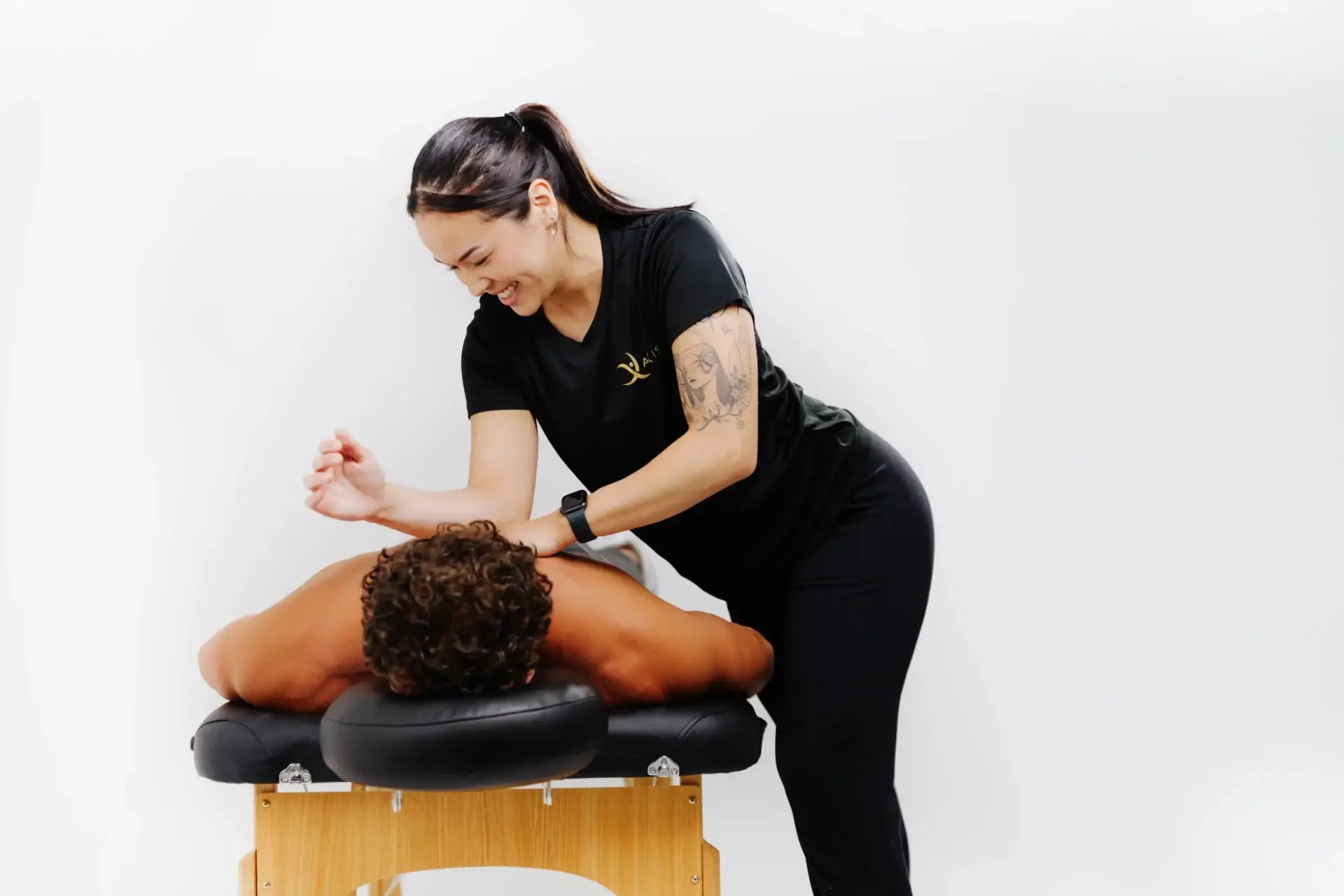
Massage therapy involves the manual manipulation of soft tissues throughout the human body to address various physical conditions. Hands, fingers, or specialized tools are used by massage therapists during these sessions, and clients typically lie on a padded treatment table. This technique applies varied amounts of pressure to muscles and tendons, and many individuals integrate it into a broader health management strategy.
General Stress Reduction
Daily professional work may demand consistently elevated stress levels, and regular massage therapy appointments provide a quiet space for relaxation. Traditional Swedish massage techniques utilize long, smooth, gliding strokes across the entire length of major muscle groups. While these repetitive movements relax the muscles, the nervous system shifts from a stressed state to a relaxed state.
This physiological shift may slow the client’s resting heart rate during the session. Subconscious breathing patterns can become more regular, and clinical blood pressure readings often decrease. These effects are often temporary, but can reduce general stress through repeated sessions. Since intense mental fatigue often accompanies chronic muscular tension, the silent environment of a therapy room minimizes external sensory input.
Chronic Pain Relief
When individuals experience persistent muscle aches from repetitive daily activities, they often seek targeted deep-tissue treatments for their physical discomfort. Trained therapists apply firm, sustained pressure to specific musculoskeletal trigger points within the affected areas. This precise physical manipulation breaks up dense tissue, and the applied friction simultaneously increases natural blood flow to the surrounding muscle fibers. These methods aid in treating long-lasting muscular pain and can give individuals relief.
Specialized Wellness Needs
Pregnancy brings immense changes to the body, and prenatal as well as postnatal massages are tailored to address the unique needs of expecting and new mothers. Prenatal massages can help reduce swelling, ease back pain, and promote relaxation by targeting areas of stress caused by the shifting weight and hormonal fluctuations. Postnatal massages focus on recovery, soothing tired muscles, and alleviating tension from nursing and carrying a newborn. These kinds of massage support both physical and emotional well-being during these periods.
Sports massages cater to athletes and active individuals by focusing on muscle groups heavily used during physical performance. These massages are designed to prevent injuries, improve flexibility, and increase muscle recovery post-training. By applying techniques such as stretching, deep kneading, and pressure-point work, sports massages enhance performance and promote overall functional mobility.
Another specialized form of massage is lymphatic drainage therapy. This method promotes the body’s natural ability to eliminate toxins and reduce swelling. It uses gentle, rhythmic massage to stimulate the lymphatic system, helping to improve circulation and support immune function. It is particularly beneficial for individuals recovering from surgery, dealing with lymphedema, or simply aiming to boost detoxification and relaxation.
Book a Massage Therapy Session
If you’re looking for a specialized treatment or simply some time to relax, contact a massage therapy office. They can help determine what style of massage meets your personal physical needs. You may request a specific massage therapist, or make other special requests about your session.