Poor circulation in legs is a condition that affects blood flow throughout the body. Blood vessels narrow or become blocked, so the lower extremities receive less oxygen and fewer nutrients. Proper diagnosis provides an accurate understanding of the condition, enabling medical professionals to develop effective treatment plans.
What Is Poor Circulation in Legs?
Poor circulation in legs occurs when the circulatory system fails to deliver adequate blood to the lower extremities. The heart pumps blood through arteries to the rest of the body, but plaque buildup can restrict this normal flow. The tissues in the legs become oxygen-deprived, and cellular functions begin to slow. This reduction in blood flow creates an environment where tissues struggle to maintain their structural integrity.
The circulatory system relies on a continuous loop to function correctly. Arteries carry oxygenated blood away from the heart, and veins transport deoxygenated blood back to the heart for replenishment. Disruptions in this loop cause physiological changes. The resulting deficit creates localized cellular distress, which triggers systemic health complications.
What Causes It?
Several underlying medical conditions reduce blood flow to the lower extremities, and peripheral artery disease is a leading cause. This condition causes blood vessels to narrow over time. Diabetes damages blood vessels, which negatively affects the nerves in the legs and feet. Obesity places extra pressure on the circulatory system, so the heart works harder to pump blood down to the legs.
Blood clots are another cause of restricted blood flow in the legs. A clot forms a physical blockage in a vein, preventing blood from returning to the heart. Venous insufficiency occurs when valves in the leg veins fail, allowing blood to pool in the lower extremities instead of flowing upward. These underlying causes require accurate medical assessment, and healthcare providers use specific diagnostic tools to identify them.
What Are the Symptoms?
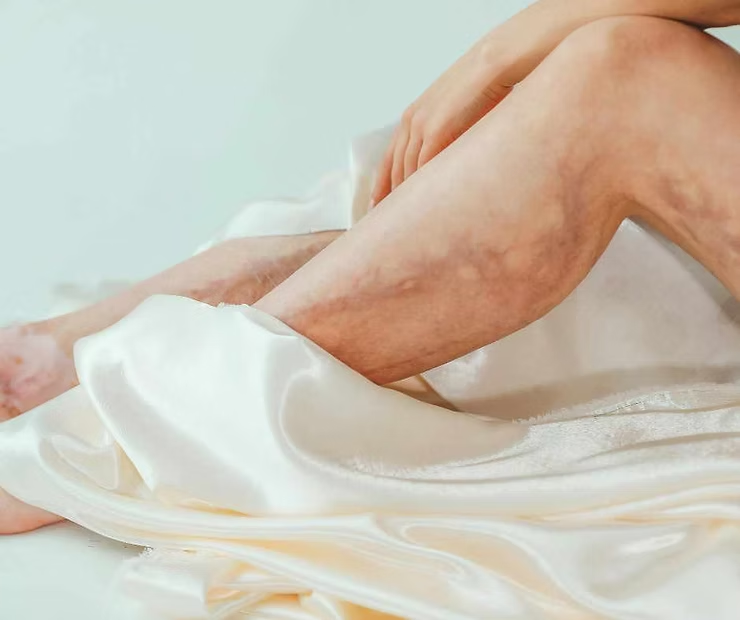
Patients with reduced blood flow experience specific physical indicators in their lower extremities. The legs and feet often feel cold to the touch, and numbness or tingling may occur in the toes. Skin discoloration is a common sign, with the legs appearing pale or blue due to reduced oxygenation. The skin can also become dry or cracked.
How Is Overall Health Affected?
Poor leg circulation extends beyond localized discomfort, and it affects the body’s broader systemic functions. The cardiovascular system experiences increased stress when blood vessels become blocked, making the heart muscle exert more force. This constant strain may elevate the risk of heart attacks and strokes. Oxygen deprivation weakens the immune system’s response in the lower limbs, so infections may develop more frequently.
Wound healing is compromised when blood flow remains restricted over prolonged periods. White blood cells cannot reach the injury site quickly, and damaged tissues don’t receive the nutrients required for repair. Unhealed wounds are susceptible to bacterial infections, raising the risk of severe complications. Preventing complications requires prompt medical intervention.
What Are the Treatment Options?
Medical professionals prescribe various treatments based on the severity of the circulation issue. Compression stockings apply gentle pressure to the legs, encouraging blood to flow upward toward the heart. Specialized wound-care dressings protect open sores from infection, and topical treatments promote cellular regeneration at the injury site. Debridement removes dead tissue from the wound bed, creating a favorable environment for healthy tissue to grow.
Consult a Specialist Today
Poor circulation in legs requires immediate attention, as it poses risks to systemic health. Reduced blood flow restricts oxygen delivery, leading to chronic wounds. A medical professional can recommend appropriate diagnostic tests. Schedule an appointment with a wound care clinic today.