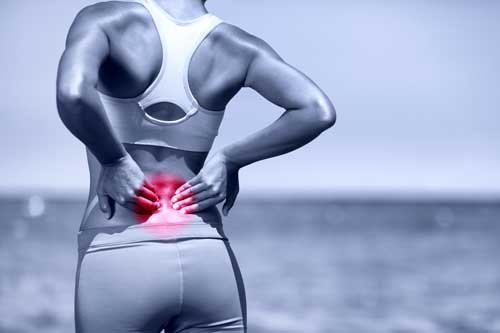
Lower back pain affects many adults, and it can impact your lifestyle on a daily basis. The discomfort frequently begins as a mild ache, but it eventually disrupts your routine entirely. When this issue has persisted for many years, it may alter your physical capabilities immensely. Understanding these ongoing long-term effects helps you seek the right medical support.
Reduced Mobility
Your joints stiffen over a long period, and your overall physical flexibility decreases. When you attempt to bend down for an object, your lower back feels extremely tight. Moving around your own home becomes quite a difficult task when you have lower back pain. Simple daily actions require significantly more physical effort from you.
While resting may seem like a helpful idea, prolonged inactivity can worsen the underlying condition. Muscles lose their natural stretch over a long period of time. Your joints lose their full range of motion, and you move much more slowly now. These factors may apply:
- Stiffness in the lower back restricts bending or twisting movements.
- Pain radiating to the legs can make walking or standing for long periods difficult.
- Reduced flexibility limits the ability to perform tasks like lifting or reaching.
- Muscle weakness in the lower back may decrease overall stability and balance.
- Prolonged discomfort discourages physical activity, leading to further immobility.
Weakened Muscles
Persistent aches inevitably change your normal movement habits on a daily basis. You stop engaging these areas, so the affected muscles shrink quite rapidly. Because you naturally avoid certain painful motions, specific core muscles do absolutely no work.
Weakness sets in deeply, and your torso loses its fundamental bodily strength. Your spine lacks the necessary support for regular daily activities. Since your core remains weak, the surrounding ligaments bear extra weight. This heavy physical burden causes even more daily strain.
As the primary muscles weaken significantly, other body parts compensate for the lost strength. The imbalance creates severe tension, and new aches develop quickly in different areas. Your overall posture shifts noticeably during the regular day. This poor bodily alignment creates a continuous cycle of discomfort.
Structural Changes
Ongoing back issues lead to permanent physical shifts within your entire body. The protective cartilage wears down gradually, and dangerous bone spurs might form nearby. As the years pass by, your spinal discs may begin to degenerate. These specific internal changes permanently alter your physical framework.
Structural changes may include:
- Flattened spinal discs
- Altered joint alignment
- Extra bone growth
These changes may also contribute to reduced mobility and chronic stiffness over time. Persistent back problems affect not only your spine but also how other parts of your body function. If left unaddressed, these structural alterations can create a ripple effect, impacting your overall posture and balance.
Spinal Stenosis
The spinal canal narrows significantly, and intense pressure builds inside your lower back. The tight internal space traps your delicate nerves quite easily. When this painful compression happens, severe numbness travels down both of your legs. Walking very short distances may become a daily struggle.
Address Lower Back Pain
While back issues present serious daily challenges, medical professionals offer various reliable treatments. Lower back pain brings challenges, but practical help is always available locally. Speak with your primary doctor today, and call a local medical provider to start your recovery process.