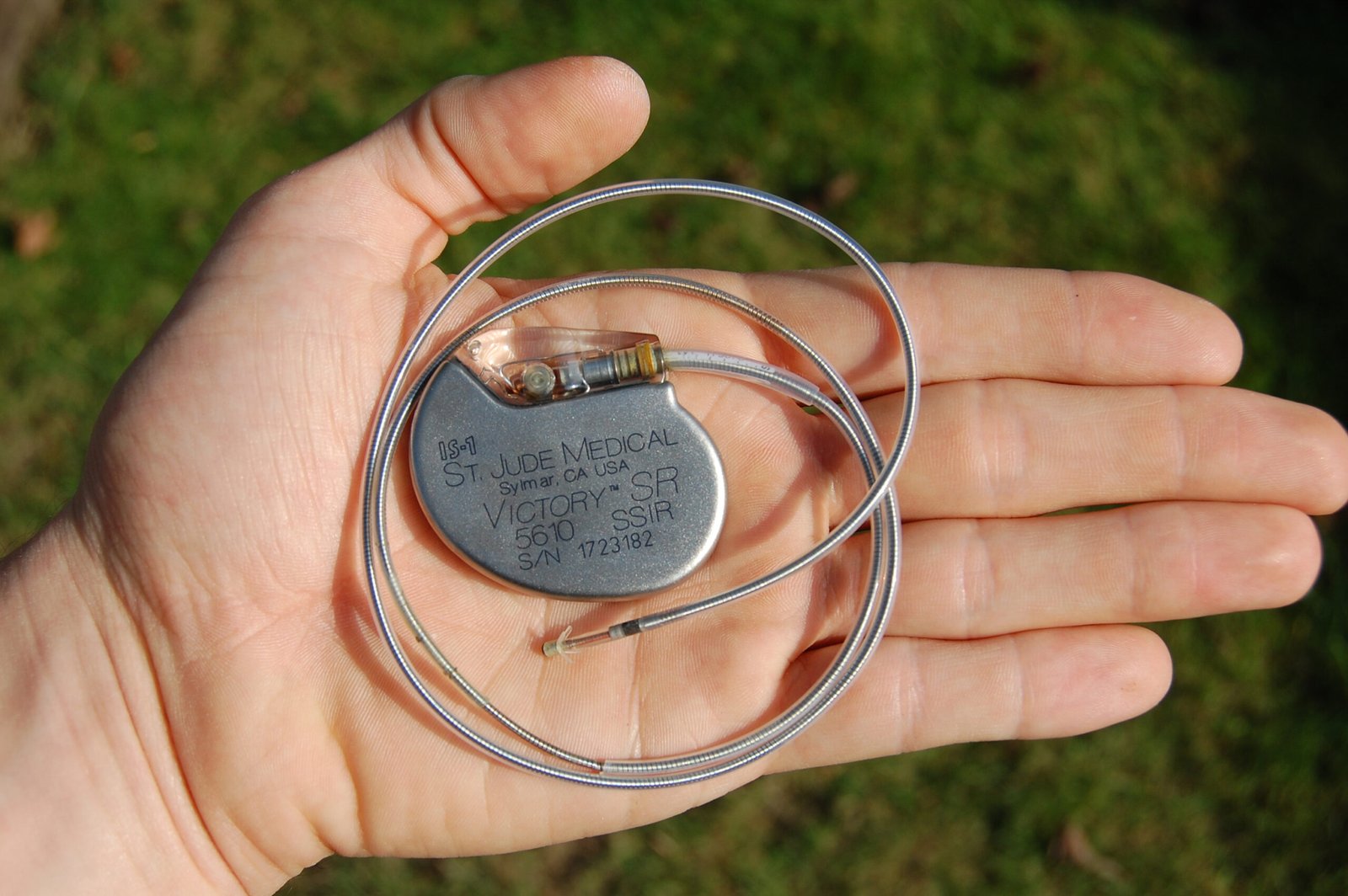
A pacemaker is a medical device. It supplements electrical activity, and it helps patients with slow heartbeats. Because bradycardia causes slow heartbeats, a pacemaker provides electrical signals to the heart. This device resynchronizes the heart, and it may improve overall cardiac function.
Components of the Pacemaker
The pacemaker consists of two main components. Your generator serves as the battery, and the leads function as the wires. The generator sits under your collarbone, in a pocket beneath the skin, and connects directly to the leads. The leads are soft and strong, allowing them to bend and move with normal daily activity. Because they rest inside your heart, the leads’ ends are shaped to make contact with the heart muscle. Material choices lower the risk of problems, limit infection, and support efficient electrical signals. The flexibility of the generator and leads lets the device adapt to body movements while keeping steady heart function.
Functions of the Battery
The pacemaker generator contains a battery, which powers the device. Each check-up lets your doctor assess the battery’s condition. During these visits, your doctor uses a programmer that wirelessly exchanges data with the pacemaker to review battery status and operation. Battery depletion happens gradually, and your doctor checks the battery status during regular appointments.
When the battery nears its expected end, a minor surgical procedure is scheduled to replace the generator unit. If the leads work well, only the generator is replaced, making the procedure shorter and simpler than initial placement. Your care team checks the device, and they give instructions for recovery. Attending your scheduled follow-ups and following your care provider’s guidance supports ongoing pacemaker management. You should not miss these appointments.
Adjustments to Daily Life
Adjusting to life with a pacemaker involves some changes, and practical steps help you manage your health. It is recommended to:
- Take your prescribed medicine as instructed by your doctor.
- Check your pulse each day as directed, log the results, and bring the record to each appointment.
- Ask your doctor to show you the correct way to check your pulse.
If you have questions about how to check your pulse, your doctor will show you the recommended technique during your visit. Let your care team know about any unusual symptoms or health changes, such as shortness of breath, swelling, weight gain, dizziness, or fainting. Inform your doctor if you experience any of these signs. These symptoms require evaluation or discussion during your next appointment. Your care provider gives guidance on what to monitor and when to seek additional support. Follow your doctor’s advice, and attend all check-ups. When you visit a dentist or healthcare professional, let them know you have a pacemaker. At airport security checks, inform staff about your device so they can use other screening methods if needed.
Actions to Take Now
You must follow all doctor instructions, and you must keep your scheduled medical appointments. A pacemaker improves your daily heart function. While the device works automatically, you are still responsible for your health. Ask your doctor for detailed guidance today. Read the provided materials carefully, and prepare questions for your next clinic visit. Since knowledge gives you power, you should learn about your device. Managing your heart health is very important.