Vascular lab testing provides detailed, actionable information about your blood vessels and overall circulatory health status. You experience specific physical symptoms regularly, and your medical provider orders these non-invasive diagnostic exams. Because doctors require precise anatomical data, these specialized lab tests measure your vein and artery function. Here is more information about this diagnostic procedure and how it works:
Determining Causes of Symptoms
When your legs hurt consistently during exercise, vascular lab testing can identify the exact cause of your pain. Medical professionals evaluate your reported physical pain through these highly targeted, painless imaging examinations. Leg swelling can occur in patients, so ultrasound technicians scan the affected area for hidden abnormalities. You receive a thorough, comprehensive physical assessment during your scheduled visit to the diagnostic laboratory.
Persistent numbness indicates potential nerve issues, or it may point directly to poor blood circulation. Since physical blockages restrict natural flow, affected patients regularly feel unusual coldness in their lower feet. A modern diagnostic ultrasound machine visualizes these internal structures with high definition. Finding the specific source of your physical pain typically remains a top priority for the attending medical staff.
Evaluation Procedure Results
The resulting medical document includes several specific, highly accurate measurements for your referring primary care physician. After the imaging exam finishes completely, a specialized vascular surgeon reviews your exact diagnostic test results. These calculated numbers paint a clear picture of your current internal circulatory health status and function. Medical providers may check:
- Specific artery and vein diameter sizes
- Recorded blood flow velocity speeds
- Exact internal plaque buildup locations
Checking Blood Flow
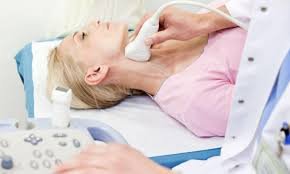
While the handheld wand moves, harmless sound waves bounce off your moving red blood cells. The advanced diagnostic machine captures returning echoes, and it creates a detailed visual map instantly. Trained ultrasound technicians may apply warm, water-based gel directly onto your bare skin during the imaging exam. This digital color map displays your internal circulatory system clearly for the professional technician to evaluate.
Healthy veins look clear on the monitor, but diseased vessels look noticeably narrow and restricted. Blood must travel freely through your entire body to maintain optimal physical health over time. Finding these hidden obstructions early prevents severe medical complications from developing in the near future. If a dangerous blood clot exists somewhere inside you, the computer monitor displays a dark mass.
The operating technician records this specific flow data carefully for further extensive medical review. Scans reveal directional flow, and it highlights these exact venous leaks instantly on screen. Proper documentation of these flow patterns helps doctors understand your unique vascular condition perfectly today. Because internal vein valves sometimes fail as people age, blood pools uncomfortably in the lower leg area.
Determining Courses of Treatment
Your primary doctor explains the next logical medical steps based on the concrete diagnostic laboratory findings. The chosen medical approach targets your specific physical symptoms directly to improve your daily comfort. Prescription daily medication treats minor circulatory issues, or invasive vascular surgery fixes severe arterial blockages completely. While every patient differs physically, these specific lab results guide the final customized medical treatment plan.
Schedule Vascular Lab Testing
If you experience chronic leg pain frequently, a professional diagnostic test provides clear, actionable medical answers. Call a medical clinic today to discuss your physical symptoms with a team of staff members. Early detection of vein disease helps you manage your vascular health effectively. You need accurate health data to make decisions, so book an appointment with a clinic near you.