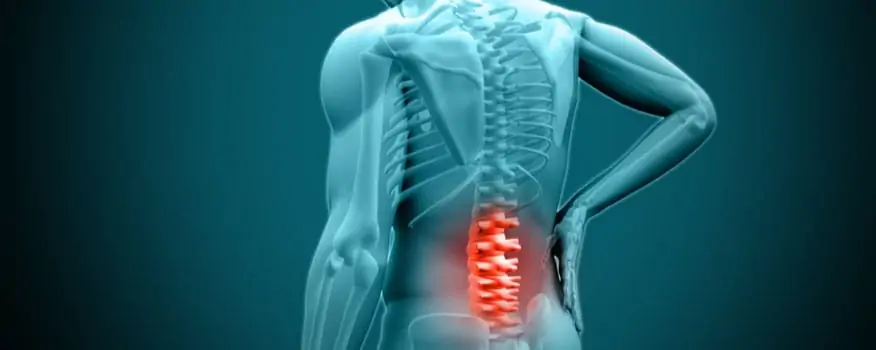
Spine surgery alters spinal alignment for patients with severe and progressive structural scoliosis conditions. The complex procedure straightens the affected bones, and it stops the lateral curve from worsening later. Because scoliosis severely impacts upright posture, medical professionals recommend an operation for advanced structural cases. Here is more information on spine surgery for scoliosis:
Thorough Evaluation
Surgeons review your complete medical history, and they order very detailed diagnostic X-ray imaging tests. When the medical team evaluates your diagnostic scans, they measure the exact spinal curve angle. This comprehensive physical evaluation ultimately determines your specific and individualized spine surgery plan. The staff records all your anatomical measurements accurately, and they file the data securely.
Since every spine is unique, specialist doctors meticulously map the intricate bone structures. Specialized medical laboratory tests evaluate your overall respiratory lung capacity and your current cardiovascular heart function. The care team answers your questions, and they thoroughly explain the upcoming medical timeline. Comprehensive pre-surgery physical testing keeps all scheduled patients safe during the medical procedure.
Spinal Fusion
The standard spinal fusion procedure permanently connects two or more individual vertebrae bones securely together. After the surgeon removes small spinal joints, they place bone grafts between the vertebrae. These grafts heal steadily over time, and they eventually form one completely solid bone. This healing process rapidly makes the treated spinal section much more rigid overall.
The primary surgical operation halts further curve progression, and it keeps the entire spine properly balanced. Staff members monitor electrical nerve activity throughout the procedure. If recorded neurological nerve signals drop suddenly, the surgeon adjusts the medical instruments immediately. This constant neurological monitoring aims to protect the spinal cord, and it strictly prevents serious operative complications.
While the affected spinal bones fuse completely together, the recovering back requires substantial physical external support. The cellular bone healing process takes several months, but dedicated doctors track the biological progress regularly. New cellular bone tissue slowly grows across the meticulously designated surgical operation area. Once the lengthy healing phase concludes entirely, the solid bone fusion creates a highly stable spine.
Metal Components
Skilled orthopedic surgeons use specialized metallic medical hardware during the lengthy corrective spinal operation. Rigid metallic rods hold the spine straight, and durable screws keep the rods securely attached. Until the inserted biological bone grafts heal completely, these sturdy metal parts are used to stabilize your fragile back. Patients receive several different durable medical hardware pieces during the standard operation:
- Long titanium or stainless steel support rods
- Threaded medical bone screws for attachment
- Secure connecting metallic hooks
- Supportive surgical wire bands
Gradual Recovery
Post-operative hospital stays last a few days, and guided physical therapy begins very quickly afterward. As you regain your baseline physical strength, helpful nurses help you walk around the recovery room. A complete physical rehabilitation recovery takes about one full calendar year for most surgical patients. Routine outpatient clinic checkups track your internal healing progress, and they monitor your overall functional mobility.
Schedule a Spine Surgery Consultation
Before you make any final medical decisions, a qualified surgeon must review your unique case. A specialized medical clinic provides comprehensive and thorough structural scoliosis physical assessments for all patients. Call a neurosurgery office today and book your initial diagnostic spinal evaluation with a medical team.