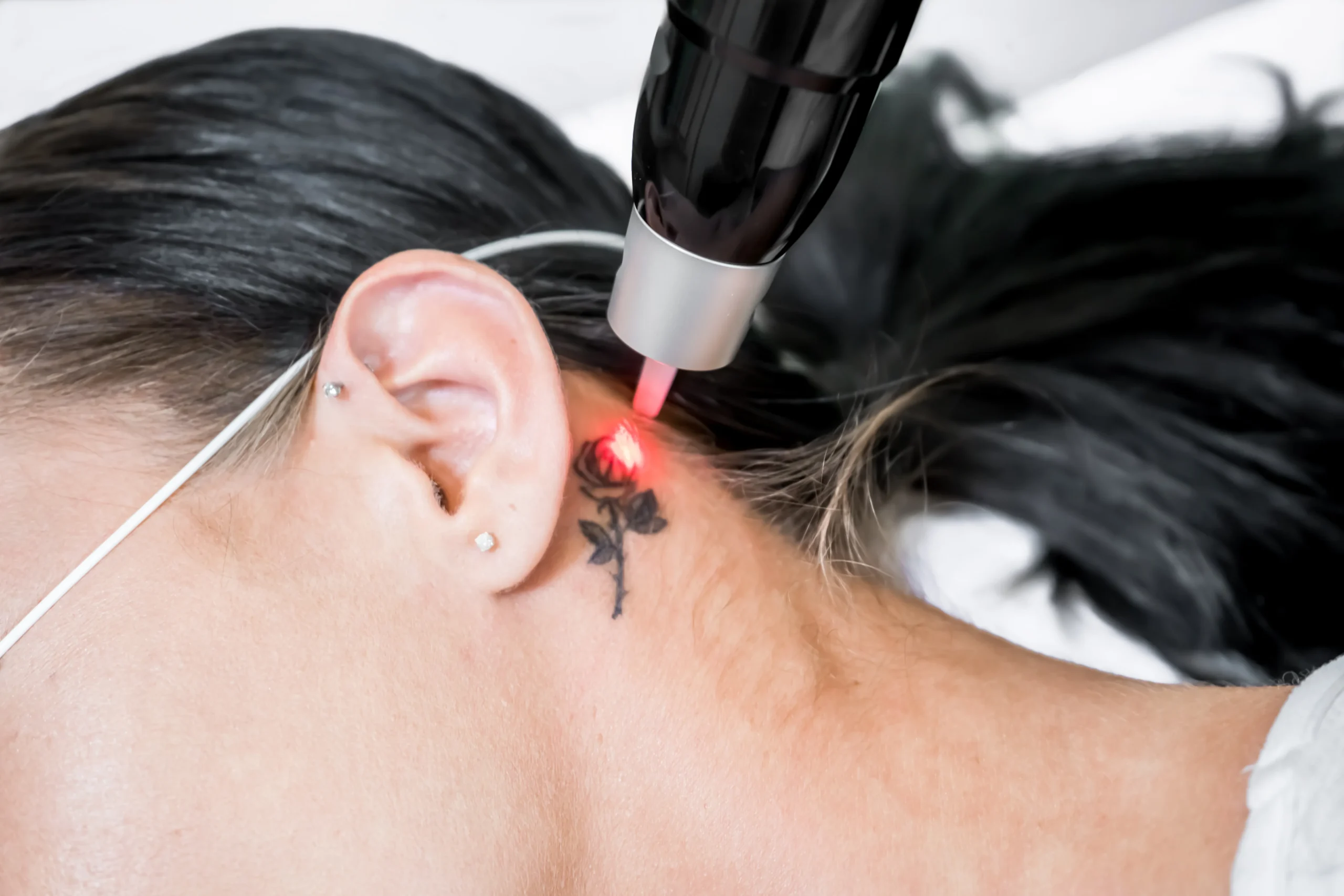
Tattoo removal is a procedure that eliminates unwanted ink from the skin. People choose to remove tattoos for various reasons, ranging from shifting personal preferences to professional requirements. The process involves breaking down the ink particles embedded in the dermis, the deep layer of the skin. Understanding the available technologies, the timeline, and the recovery process helps you make informed decisions about your body and skin. Here is information on tattoo removal and what to expect:
How Are Tattoos Removed?
While historical methods included surgical excision or dermabrasion, modern tattoo removal predominantly relies on advanced light-based technology. These methods focus on breaking down ink pigment while minimizing damage to the surrounding skin tissue. Laser tattoo removal utilizes concentrated light energy to shatter the ink particles lodged in your skin. Lasers target the pigment in the tattoo with high-intensity light beams, but different colors of ink absorb these light beams differently.
Once the laser fractures the ink into microscopic fragments, your body’s immune system gradually processes them. Black ink absorbs all laser wavelengths, making it the easiest color to treat, while other colors require specific lasers tailored to their pigment. Here are two key laser tattoo removal methods and how they are done:
The PicoSure Laser Method
The PicoSure laser delivers light energy to the skin in picoseconds, which are trillionths of a second. This ultra-rapid delivery creates a photomechanical impact that shatters the ink into tiny, dust-like particles. PicoSure is particularly effective on stubborn colors like blues and greens, and it typically needs fewer treatments than older technologies to fade tattoos.
The Q-switch Laser Method
The Q-switch laser has been the standard for tattoo removal for decades. It operates by delivering light pulses in nanoseconds, or billionths of a second. The thermal energy from the Q-switch laser heats and breaks apart the larger ink particles. Various types of Q-switch lasers exist, such as Nd:YAG and Alexandrite, and each targets different color ranges within the tattoo.
How Long Is Tattoo Removal?
Fading a tattoo is a gradual process, not an immediate fix. The number of sessions you need depends on several factors, including the size of the tattoo, the colors used, the depth of the ink, and the age of the tattoo. Complete removal often takes multiple sessions spread over several months, as the skin needs time to heal between appointments. Appointments are typically scheduled six to eight weeks apart to allow the immune system to flush out shattered ink particles and for the skin to fully recover.
What Can You Expect?
During a laser removal procedure, you can expect some physical sensations. Some individuals feel a snapping sensation, like a rubber band against the skin, while others compare it to getting a tattoo. Following a session, the treated area may appear frosted or white temporarily. In the days following treatment, the skin may experience some symptoms as part of the natural healing response. Some common physical symptoms of healing from laser tattoo removal include:
- Redness
- Swelling
- Minor Blistering
Proper aftercare is necessary to maintain skin health. This involves keeping the area clean, applying recommended protective ointments, and avoiding direct sun exposure to prevent hyperpigmentation or scarring.
Contact a Dermatologist About Your Tattoos
Because tattoo removal directly impacts the integrity of your skin, you need a professional for effective removal. A board-certified dermatologist can assess your specific skin type, evaluate the ink composition, and recommend a laser technology for your situation. They can provide a personalized treatment plan and monitor your skin health throughout the entire removal process. Contact a dermatologist to discuss your options and determine how to removal your tattoos safely.