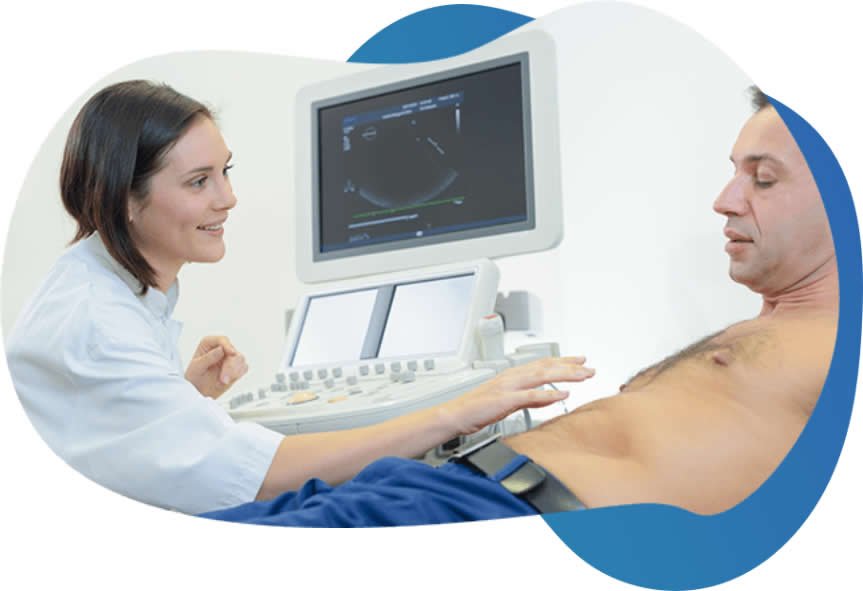
Ultrasound technology uses high-frequency sound waves to safely capture clear images of your internal abdominal organs. Medical providers rely on this specific imaging tool daily, and it helps them diagnose complex conditions. When you experience unexplained belly pain, your primary care physician orders this non-invasive diagnostic test. Here is more information on the role of ultrasound in assessing abdominal conditions:
Detecting Gall Stones
Gallstones form slowly inside the gallbladder, and they may cause severe abdominal discomfort after meals. A trained ultrasound technician carefully looks for these hard deposits during your scheduled exam. If tiny stones block a bile duct entirely, the sonogram images show the obstruction very clearly. Finding these specific painful deposits early guides your future medical treatment very effectively.
Because gallstones vary dramatically in their overall size, doctors review the abdominal scans very carefully. Extremely small stones hide easily, but the high-frequency sound waves detect the vast majority of them. Healthcare providers recommend specific treatment plans based directly on these highly detailed imaging findings.
Evaluating Kidneys
Medical professionals examine your kidneys closely to check for any visible signs of physical damage. When your healthcare provider suspects ongoing issues, an ultrasound quickly checks for several distinct physical problems:
- Painful kidney stones
- Dangerous fluid buildup
- Visible infection signs
- Unusual tissue changes
The digital images reveal dangerous blockages, and your doctors evaluate the exact size of each organ.
Diagnosing Tumors
Abnormal growths develop inside abdominal organs, and a diagnostic ultrasound accurately locates these hidden masses. While some small masses look completely harmless, other irregular shapes require further laboratory testing. Medical technicians measure the exact physical dimensions of each suspected mass during your office visit.
Ordinary fluid-filled cysts look very different from solid tissue tumors on the clinical monitor screen. The emitted sound waves bounce directly off your tissues, so they create a highly detailed picture. After the technician finishes the abdominal exam, a specialized radiologist reads the final test results. This careful medical review process provides accurate answers about your current internal health status.
While an ultrasound finds many hidden abdominal tumors, the scan does not definitively confirm cancer. Your doctors order separate tissue biopsies to thoroughly test the abnormal internal tissue cells. The imaging provides a strong starting point, and your healthcare team plans the exact next steps. This collaborative approach aims to make sure that every detail is thoroughly examined, giving you the clarity and support needed for effective treatment planning.
Identifying the Source of Pain
Unexplained abdominal pain has many different causes, and finding the exact underlying reason takes some time. A targeted ultrasound scan quickly and efficiently narrows down the possible medical conditions. If you feel a sudden sharp ache, this safe imaging method provides clear diagnostic answers. The painless outpatient procedure provides a solution for diagnosing your physical symptoms.
Schedule an Ultrasound Near You
Because early diagnostic detection helps your future medical treatment, you need timely and accurate care. An imaging center can offer clear medical imaging services locally, and staff support your health needs. Call a clinic today to book your upcoming abdominal ultrasound appointment.