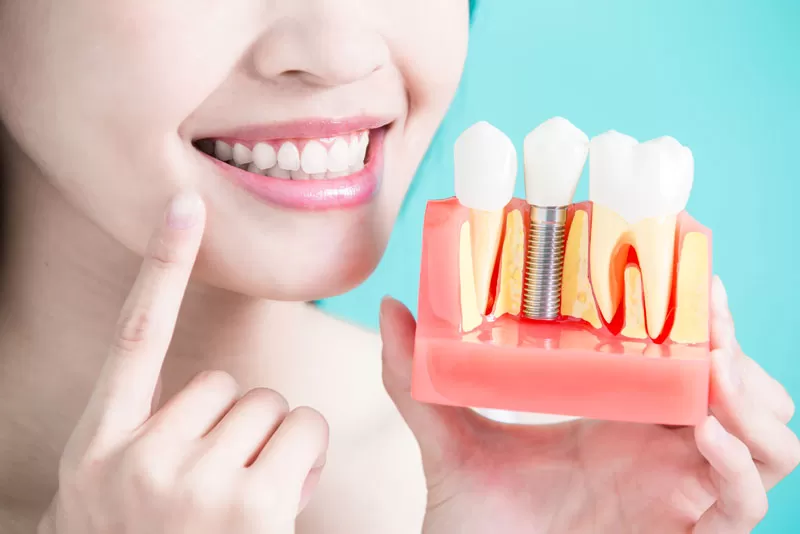
Dental implants replace missing teeth. The system typically consists of an implant body, an abutment, and a crown. The implant body connects to the jawbone. An abutment connects the implant body to the crown. The crown mimics the appearance of a natural tooth. Dentists surgically place these devices into the jawbone, and they function as artificial tooth roots. Evaluation determines candidacy for the procedure. Patients require healthy gums and adequate bone structure. Tobacco use and certain medical conditions increase surgical risks, as noted in clinical guidance. A procedure requires multiple visits, and patients experience a healing period over time. After the jawbone heals around the implant, the structure provides a stable foundation, and dentists attach artificial teeth to this base.
Understanding Dental Implants
Patients regain chewing function with dental implants. Missing teeth limit dietary choices, and this can affect general nutrition. Individuals are able to consume a wider range of foods, and comfort during chewing improves. Artificial teeth remain fixed in the mouth. Removable dentures may shift during meals. Implants reduce this movement. Patients clean these devices like natural teeth. Regular brushing supports gum health. Plaque accumulation can contribute to inflammation around the implant site. Daily hygiene helps reduce this risk, and dentists monitor the area during routine visits. When dentists place the implant body into the jaw, the titanium material integrates with bone over time, and this integration supports biting function. Restored stability supports normal oral activity.
Preserving Jawbone Structure
Tooth loss can lead to jawbone loss. Bone tissue requires stimulation from tooth roots, or it may begin to resorb over time. The implant body functions as a replacement for the root structure. Dental professionals observe preservation of bone levels in appropriate cases. Facial structure may change without adequate support. Jawbone reduction can alter facial contours. Implants help maintain structural support in the jaw. Titanium material is used for stability. Dentists may recommend bone grafting before placement when bone volume is limited. If patients lack sufficient bone, grafting can rebuild support, and clinicians proceed once healing is adequate. Because implants provide stimulation to the jawbone, they help reduce continued bone loss. The implant system functions as a structural support within the oral environment.
Protecting Surrounding Teeth
Dental implants help maintain the alignment of nearby teeth. Natural teeth may shift into empty spaces, and this can affect bite alignment. Misaligned teeth can make cleaning more difficult. Implants fill the gap. The device helps limit the drifting of adjacent teeth. Dentists secure the crown to the abutment. A completed structure distributes biting forces across the mouth. This distribution can reduce uneven wear on remaining natural teeth. Patients maintain existing enamel. The independent placement supports oral stability. Unlike traditional bridges, implants do not require alteration of adjacent teeth, and neighboring teeth remain intact. Localized placement limits impact on surrounding structures, and the treatment focuses on a single site.
Find a Clinic
Dental implants serve as structural replacements for missing teeth. The three-part system restores oral function in a fixed position. Implants support bone maintenance where appropriate. The independent structure reduces changes to surrounding teeth. Medical providers evaluate health factors before placement. A surgical process requires clinical assessment, and patients follow a staged healing period. Daily brushing helps reduce the risk of gum disease around the implant. Routine dental visits allow monitoring of implant stability, as described in clinical guidance. Although risks exist, successful integration supports long-term use with proper care, and patients maintain implants through regular hygiene and professional follow-up. Find a clinic to learn more.