In our fast-paced modern world, stress has become a constant companion for many people. Between work, family, and personal responsibilities, our bodies and minds often feel tense, overwhelmed, and exhausted. One effective and natural way to combat this is through massage therapy. Stress relief massage techniques are designed to release tension, improve circulation, and promote overall well-being. This article explores various massage methods, their benefits, and how you can incorporate them into your routine for a calmer, healthier life.
Understanding Stress and Its Impact
Before diving into massage techniques, it’s important to understand how stress affects the body. Stress triggers the release of hormones like cortisol and adrenaline, which prepare the body for “fight or flight.” While this response can be helpful in short bursts, chronic stress can lead to:
- Muscle tension and stiffness
- Headaches and migraines
- Fatigue and low energy
- Poor sleep quality
- Anxiety and irritability
Massage therapy targets these physical and mental symptoms by encouraging relaxation and reducing stress hormone levels.
1. Swedish Massage: Gentle and Soothing
Swedish massage is one of the most common and beginner-friendly massage techniques. It involves long, flowing strokes, kneading, and circular movements on the top layers of muscles. This technique promotes relaxation, reduces muscle tension, and increases blood circulation.
How it helps with stress:
- Encourages the release of endorphins (natural “feel-good” chemicals)
- Reduces cortisol levels
- Improves sleep quality
When to use:
- After a long workday
- During periods of emotional stress
- To relieve general body tension
2. Deep Tissue Massage: Releasing Chronic Tension
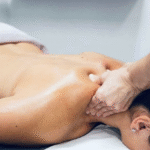
Deep tissue massage focuses on the deeper layers of muscle and connective tissue. It uses slower, more intense strokes to target areas of chronic tension, such as the neck, shoulders, and lower back.
Benefits for stress relief:
- Breaks down knots and tight muscles
- Improves posture by releasing tension in key muscle groups
- Reduces pain and discomfort caused by stress
Tips:
- Communicate with your therapist about pressure to avoid discomfort
- Combine with stretching for maximum effect
3. Aromatherapy Massage: Engaging the Senses
Aromatherapy massage combines gentle massage techniques with the use of essential oils. Oils like lavender, chamomile, and eucalyptus have calming properties that enhance the stress-relieving effects of massage.
Benefits:
- Relieves mental fatigue and anxiety
- Promotes deep relaxation
- Enhances mood and emotional well-being
How to enjoy at home:
- Use a few drops of essential oil in a carrier oil (like coconut or jojoba)
- Massage shoulders, neck, and hands for 10–15 minutes
4. Reflexology: Pressure Points for Relaxation
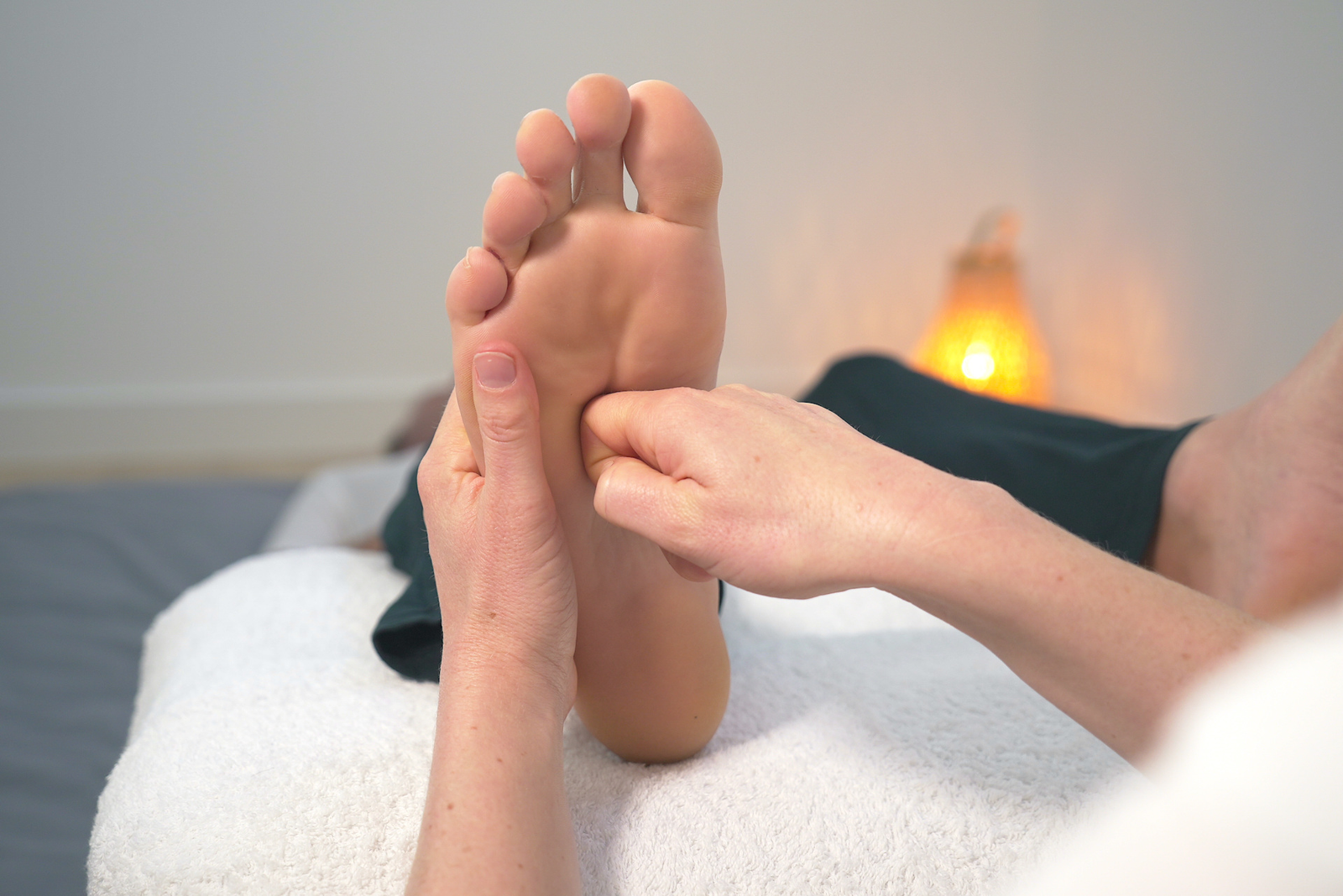
Reflexology is a technique that involves applying pressure to specific points on the feet, hands, or ears. These points correspond to different organs and systems in the body. Stimulating these areas can help release stress and promote balance.
Why it works:
- Activates the body’s natural healing processes
- Reduces anxiety and promotes calmness
- Can relieve headaches and digestive issues caused by stress
Home tip:
- Gently massage your feet with circular motions before bedtime for better sleep
5. Shiatsu Massage: Balancing Energy Flow
Shiatsu is a Japanese massage technique that uses finger pressure, stretching, and gentle rocking to balance the body’s energy (known as “Qi”). This approach not only relieves physical tension but also addresses emotional stress.
Benefits for stress relief:
- Encourages deep relaxation and mindfulness
- Improves circulation and flexibility
- Helps regulate mood and energy levels
When to try it:
- If you feel physically tense and mentally overwhelmed
- As a preventive measure during stressful periods
6. Hot Stone Massage: Heat for Deep Relaxation
Hot stone massage uses smooth, heated stones placed on key areas of the body. The heat penetrates deep into muscles, promoting relaxation and reducing tension.
Advantages:
- Increases blood flow
- Reduces anxiety and promotes a sense of calm
- Loosens tight muscles before deeper massage techniques
Safety tip:
- Ensure the stones are not too hot to avoid burns
- Avoid if you have certain conditions like diabetes or poor circulation without professional guidance
Tips to Maximize Stress Relief from Massage
While professional massages are highly effective, there are ways to enhance the benefits:
- Create a calming environment at home: Dim lights, play soft music, and use aromatherapy.
- Practice deep breathing: Combine massage with slow, deep breaths to relax muscles and mind.
- Stay hydrated: Drinking water helps flush out toxins released during massage.
- Consistency matters: Regular sessions provide long-term stress relief and improved mental health.
- Self-massage techniques: Use foam rollers or handheld massagers for areas like the neck, back, and feet when professional help isn’t available.
The Mental Benefits of Massage
Massage isn’t just about relaxing muscles—it profoundly impacts mental health. Some mental benefits include:
- Reduced anxiety and depression
- Improved focus and concentration
- Better sleep patterns
- Increased overall sense of well-being
By combining the right techniques, massage can serve as a powerful tool to maintain emotional balance in today’s stressful world.
Frequently Asked Questions (FAQs)
1. How often should I get a stress relief massage?
It depends on your stress levels and lifestyle. For chronic stress, once or twice a week is ideal. For general relaxation, once a month may be sufficient.
2. Can I do massage at home without professional help?
Yes! Simple techniques like self-massage, using foam rollers, or massaging the hands, feet, and neck can provide relief. Using essential oils can enhance relaxation.
3. Is massage safe for everyone?
Most people can safely enjoy massage, but consult a doctor if you have medical conditions like heart disease, fractures, or skin infections. Pregnant women should also seek specialized prenatal massage therapy.
4. How long does it take to feel the effects of a massage?
Some people feel immediate relief, while others may notice improvement after a few sessions. Regular practice and combining massage with relaxation techniques enhance results.
5. What is the best massage for stress relief?
There isn’t a one-size-fits-all answer. Swedish massage is ideal for general relaxation, while deep tissue or hot stone massage is better for chronic tension. Aromatherapy can further enhance mental relaxation.
Conclusion
Stress relief massage techniques offer a natural, effective way to manage tension and improve overall well-being. From gentle Swedish massage to targeted deep tissue work, and from the calming power of aromatherapy to reflexology and Shiatsu, there are techniques suitable for everyone. Whether you choose professional therapy or simple at-home methods, integrating massage into your routine can help your body relax, your mind unwind, and your life feel a little lighter.
Taking time for yourself is not indulgent—it’s essential for mental, emotional, and physical health. Start exploring these techniques today and discover the profound benefits of massage for stress relief.