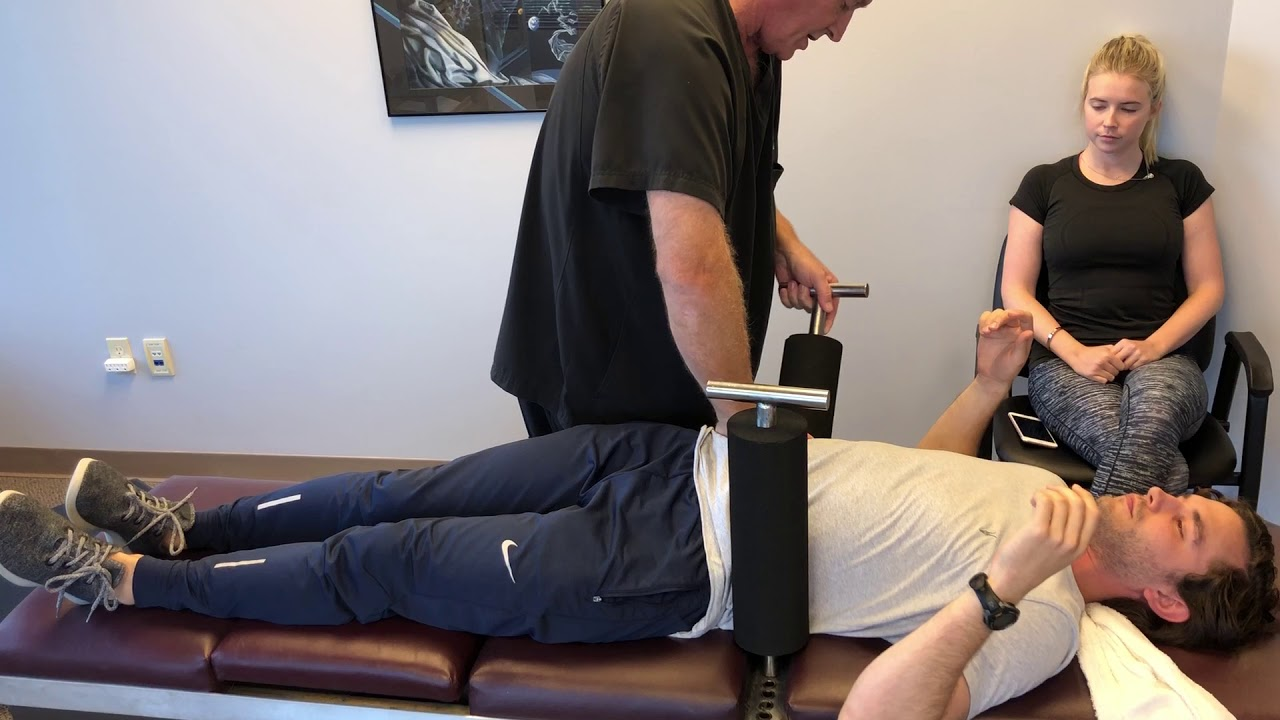
Lower back pain is one of the most common health problems worldwide. Millions of people experience discomfort, stiffness, or even severe pain in their lower backs, making everyday activities challenging. While there are several ways to manage lower back pain—like exercise, medications, and surgery—one highly effective and non-invasive option is seeing a chiropractor.
In this article, we will explore what a chiropractor does, how they can help with lower back pain, and what you can expect from treatment. We’ll also cover some tips for choosing the right chiropractor and answer common questions about chiropractic care.
What Is a Chiropractor?
A chiropractor is a healthcare professional who focuses on diagnosing, treating, and preventing problems related to the spine, joints, and nervous system. Unlike doctors who may rely on medications or surgery, chiropractors use hands-on techniques, particularly spinal adjustments, to improve alignment and relieve pain.
Chiropractic care is based on the idea that when the spine is properly aligned, your body can function better, and the nervous system can communicate efficiently with the rest of your body. This can reduce pain, improve mobility, and support overall health.
Why Lower Back Pain Happens
Lower back pain can occur for many reasons. Some common causes include:
- Muscle Strain: Lifting heavy objects, sudden movements, or poor posture can strain muscles in the lower back.
- Herniated Discs: Discs between your vertebrae can bulge or rupture, putting pressure on nearby nerves.
- Degenerative Disc Disease: Over time, discs in the spine can wear down, causing chronic pain.
- Sciatica: Compression of the sciatic nerve can lead to pain radiating from the lower back to the legs.
- Lifestyle Factors: Sedentary lifestyle, obesity, and poor posture often contribute to lower back pain.
Chiropractors focus on identifying the root cause of the problem rather than just masking symptoms. By treating the underlying issue, they aim to provide long-lasting relief.
How Chiropractors Treat Lower Back Pain
Chiropractors use a variety of techniques to help relieve lower back pain. Here are the most common approaches:
1. Spinal Adjustments (Manipulations)
This is the hallmark of chiropractic care. A spinal adjustment involves carefully applying controlled force to specific vertebrae in the spine. The goal is to restore proper alignment, improve movement, and reduce nerve irritation. Many patients report immediate relief after an adjustment.
2. Soft Tissue Therapy
Chiropractors often use soft tissue techniques such as massage, stretching, or myofascial release. These methods help relax tight muscles, reduce inflammation, and improve blood flow to the affected area.
3. Exercise and Rehabilitation
A chiropractor may recommend specific exercises to strengthen the muscles supporting the spine. Strengthening the core and improving flexibility can prevent future episodes of lower back pain.
4. Lifestyle and Posture Advice
Proper posture, ergonomics, and daily habits play a crucial role in spinal health. Chiropractors often provide personalized advice on lifting techniques, sitting positions, and sleeping habits to support recovery and prevent recurrence.
Benefits of Seeing a Chiropractor for Lower Back Pain
- Non-Invasive Treatment: Chiropractic care avoids surgery and often reduces the need for pain medications.
- Pain Relief: Many patients experience significant relief from lower back pain after a few sessions.
- Improved Mobility: Chiropractic adjustments can restore movement and flexibility.
- Better Posture: Treatment often encourages awareness of posture and body mechanics.
- Preventive Care: Regular chiropractic care can help prevent future back problems.
What to Expect During a Chiropractic Visit
If you’ve never seen a chiropractor before, here’s what typically happens:
- Initial Assessment: The chiropractor will review your medical history and ask about your symptoms.
- Physical Examination: They may check your spine, posture, range of motion, and reflexes.
- Imaging Tests: In some cases, X-rays or other imaging may be recommended.
- Treatment Plan: Based on the findings, a personalized treatment plan is created.
- Follow-Up Sessions: Multiple sessions are often recommended for optimal results, especially for chronic pain.
Many patients feel relief immediately, though chronic conditions may require several visits over weeks or months.
How to Choose the Right Chiropractor
Finding a skilled chiropractor can make a huge difference in your recovery. Consider the following tips:
- Check Credentials: Ensure the chiropractor is licensed and has proper training.
- Experience Matters: Look for experience in treating lower back pain specifically.
- Read Reviews: Patient reviews can give insight into the chiropractor’s approach and success rates.
- Comfort and Communication: Choose someone who listens to your concerns and explains treatments clearly.
- Holistic Approach: The best chiropractors consider your overall health, not just the spine.
Tips for Maintaining a Healthy Back
In addition to chiropractic care, you can take steps to prevent lower back pain or reduce its severity:
- Maintain a healthy weight to reduce stress on the spine.
- Exercise regularly, focusing on core and back strength.
- Practice proper lifting techniques—bend at the knees, not the waist.
- Take breaks from sitting and stretch throughout the day.
- Sleep on a supportive mattress and avoid awkward sleeping positions.
When to See a Chiropractor
If you experience any of the following, it may be a good idea to consult a chiropractor:
- Persistent lower back pain lasting more than a few weeks.
- Pain radiating down the leg or numbness in the legs.
- Difficulty standing, walking, or performing daily activities.
- Muscle stiffness or reduced range of motion in the lower back.
- Desire to avoid surgery or long-term pain medication.
FAQs About Chiropractors for Lower Back Pain
1. Is chiropractic care safe for lower back pain?
Yes, chiropractic care is generally safe when performed by a licensed professional. Most patients experience minimal side effects, like mild soreness after an adjustment.
2. How many sessions will I need?
The number of sessions varies depending on the severity of your condition. Acute pain may improve in a few visits, while chronic issues might require several weeks of treatment.
3. Will chiropractic care hurt?
Chiropractic adjustments are typically gentle. Some patients may feel slight pressure or temporary soreness, but it’s usually short-lived.
4. Can chiropractic care prevent future back problems?
Yes, regular chiropractic care combined with exercise and proper posture can reduce the risk of future lower back pain episodes.
5. Can I combine chiropractic care with other treatments?
Absolutely. Chiropractic care can complement physical therapy, medications, or lifestyle changes. Always discuss with your healthcare provider to create a coordinated plan.
Conclusion
Lower back pain can greatly affect your quality of life, but seeing a chiropractor offers a safe, natural, and effective way to find relief. Through spinal adjustments, soft tissue therapy, exercises, and lifestyle guidance, chiropractic care addresses the root cause of pain rather than just masking symptoms.
If you are struggling with lower back pain, consulting a qualified chiropractor can help you regain mobility, reduce discomfort, and improve your overall well-being. Remember, the right combination of professional care, healthy habits, and self-awareness can make a lasting difference for your spine and your life.