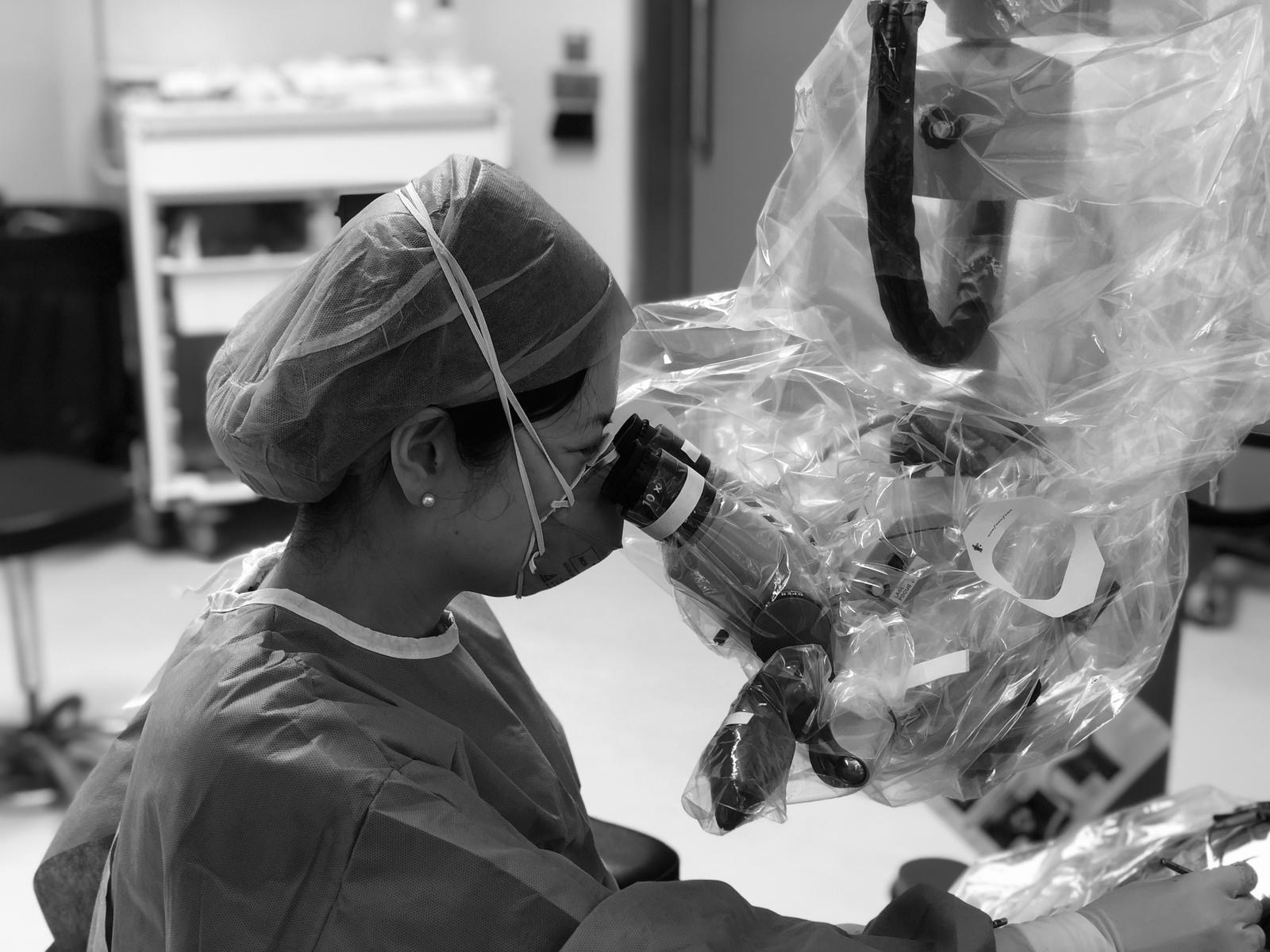
Sinus infections, also known as sinusitis, are a common health problem that affects millions of people every year. They can cause uncomfortable symptoms like nasal congestion, facial pain, headaches, and a feeling of pressure in your face. While some sinus infections can be treated at home, sometimes it’s necessary to consult a specialist—a ENT doctor, also called an ear, nose, and throat doctor or otolaryngologist.
In this article, we’ll explore why seeing an ENT doctor for sinus infections is important, what treatments are available, and how you can prevent sinus infections in the future.
What Is a Sinus Infection?
Your sinuses are hollow spaces in the bones around your nose, eyes, and forehead. They produce mucus that helps trap dust, germs, and other particles. When your sinuses become inflamed or blocked due to bacteria, viruses, or allergies, mucus can build up, leading to a sinus infection.
Common Symptoms of Sinus Infection
Some common symptoms include:
- Nasal congestion or runny nose
- Pain or pressure around the eyes, forehead, or cheeks
- Post-nasal drip (mucus dripping down the back of the throat)
- Headaches or facial tenderness
- Fever (in some cases)
- Fatigue
Symptoms can last from a few days to several weeks. If they last longer than 12 weeks or keep coming back, it might be chronic sinusitis, which usually requires a specialist’s care.
When to See an ENT Doctor
Most mild sinus infections can improve with home care or medication from your primary doctor. However, there are situations when you should see an ENT doctor:
- Persistent symptoms – If your sinus infection doesn’t improve after 10-14 days.
- Frequent infections – Having more than 3-4 infections in a year may indicate a deeper problem.
- Severe symptoms – High fever, severe pain, or swelling around the eyes.
- Complications – If infections spread to the eyes, brain, or bones (rare but serious).
ENT doctors are trained to handle these situations and can provide accurate diagnosis and effective treatment.
How ENT Doctors Diagnose Sinus Infections
When you visit an ENT specialist, they may use a variety of methods to diagnose the problem:
- Medical history and physical examination: The doctor will ask about your symptoms and examine your nose, throat, and sinuses.
- Nasal endoscopy: A small, flexible tube with a camera is inserted into your nose to see inside your sinuses.
- Imaging tests: CT scans or X-rays may be used to detect sinus blockage or structural issues.
- Allergy testing: Sometimes, allergies trigger repeated sinus infections.
This thorough approach ensures that you get the right treatment instead of just temporary relief.
Treatment Options
Treatment for sinus infections depends on the cause, severity, and frequency of the infection.
1. Medications
- Antibiotics: Used only for bacterial infections, not viral infections.
- Decongestants: Help reduce swelling in nasal passages.
- Nasal corticosteroids: Reduce inflammation and treat chronic sinusitis.
- Saline sprays or rinses: Help flush out mucus and allergens.
2. Home Remedies
- Steam inhalation: Breathing in steam can relieve congestion.
- Warm compresses: Applying a warm towel to your face can reduce pain and pressure.
- Hydration: Drinking plenty of water thins mucus and promotes drainage.
3. Surgical Options
If sinus infections are chronic or caused by structural problems (like a deviated septum or nasal polyps), ENT doctors may recommend surgery:
- Functional endoscopic sinus surgery (FESS): Removes blockages and improves sinus drainage.
- Balloon sinuplasty: A minimally invasive procedure to widen blocked sinus passages.
ENT doctors usually reserve surgery for cases where medication and home care aren’t enough.
Why Seeing an ENT Doctor Is Important
Many people try to treat sinus infections with over-the-counter medications alone, but this can sometimes make the problem worse. An ENT doctor can:
- Provide accurate diagnosis to distinguish between viral, bacterial, or fungal infections.
- Treat underlying causes like allergies, nasal polyps, or structural issues.
- Prevent complications that could affect your eyes, brain, or respiratory system.
- Develop a personalized treatment plan for chronic sinus infections.
Seeing a specialist can save time, reduce pain, and prevent repeated infections.
Tips to Prevent Sinus Infections
While not all sinus infections can be prevented, these tips can help reduce your risk:
- Practice good hygiene: Wash your hands regularly to prevent viral infections.
- Avoid smoking: Smoke irritates your sinuses and makes infections worse.
- Use a humidifier: Keeping air moist can prevent sinus dryness.
- Manage allergies: Take allergy medications or avoid triggers.
- Stay hydrated: Drinking enough water helps mucus flow smoothly.
Regular checkups with an ENT doctor can also help catch problems early.
FAQs About ENT Doctors and Sinus Infections
1. Can an ENT doctor cure sinus infections permanently?
While ENT doctors can treat infections effectively and reduce recurrence, some people may have chronic sinus problems. Proper treatment and prevention strategies can minimize flare-ups.
2. How long does it take to recover from a sinus infection?
Mild infections may improve in 7-14 days. Chronic or severe infections may require weeks of treatment or surgery for full recovery.
3. Are sinus infections contagious?
Viral sinus infections can be contagious, but bacterial infections usually are not. Proper hygiene helps prevent spreading viruses.
4. Can allergies cause sinus infections?
Yes, allergies can trigger inflammation in the sinuses, leading to repeated infections. ENT doctors often recommend allergy testing and treatment.
5. How do I know if I need surgery for sinus infections?
Surgery is considered if infections are chronic, medications fail, or there is a structural problem like a deviated septum. Your ENT doctor will evaluate and recommend the best approach.
Conclusion
A sinus infection can be uncomfortable, but consulting an ENT doctor can make a big difference. ENT specialists provide accurate diagnosis, targeted treatments, and long-term solutions for recurrent or chronic infections. Whether it’s medication, lifestyle adjustments, or surgery, the right care can restore comfort and prevent complications.
By understanding the symptoms, treatment options, and preventive measures, you can take control of your sinus health and improve your overall quality of life.