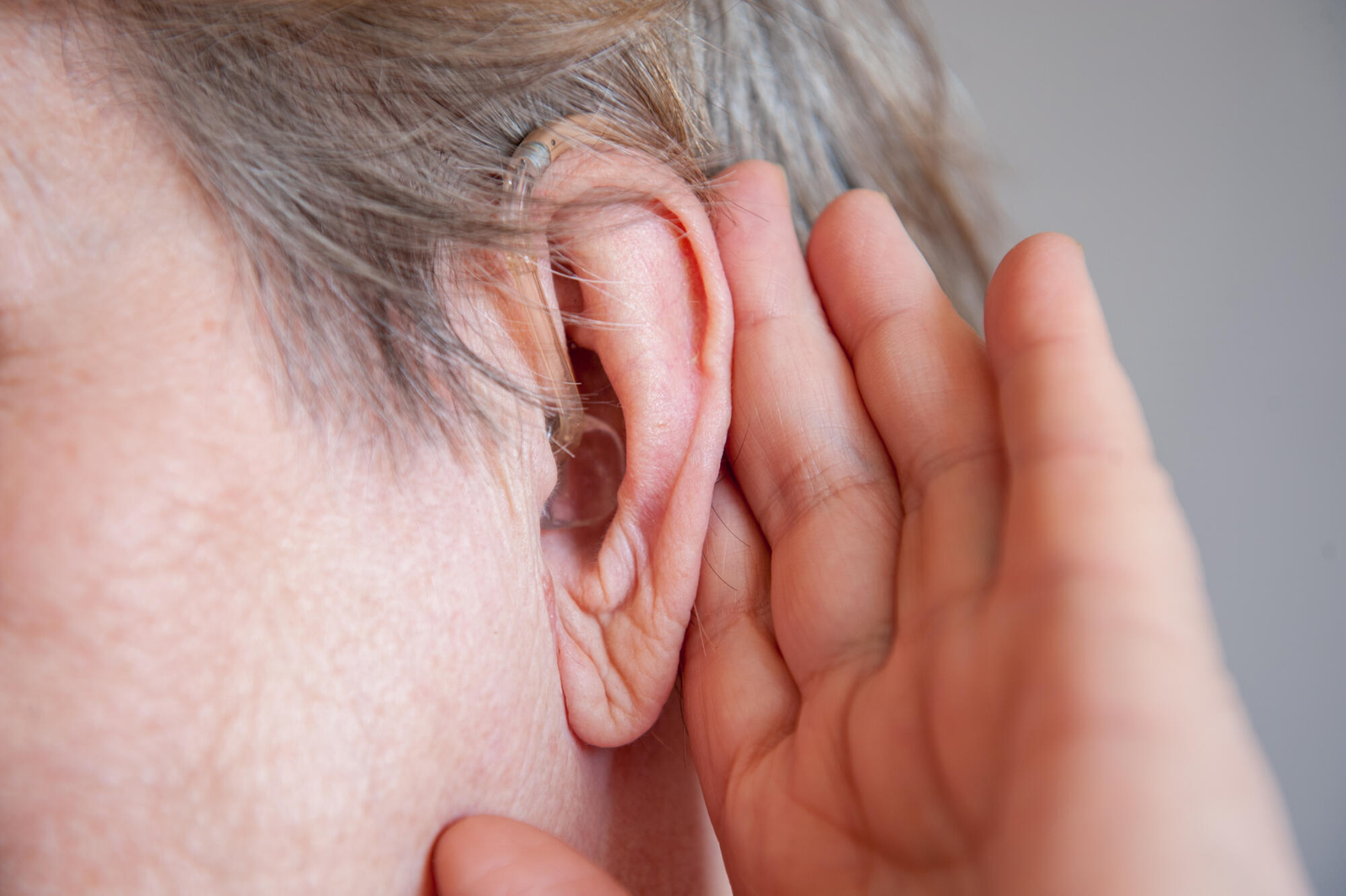
Hearing is one of our most important senses. It connects us to the world around us, allows us to communicate, enjoy music, and even feel safe in our environment. But what happens when hearing starts to fade? Hearing loss is more common than many people realize, and it can happen at any age. Fortunately, there a
re several hearing loss treatment options available today that can help improve your quality of life.
In this article, we’ll explain the different causes of hearing loss, treatment options, and how you can choose the right solution for yourself.
Understanding Hearing Loss
Hearing loss occurs when there is a problem with one or more parts of the ear or the auditory system. It can be temporary or permanent, and it may affect one ear or both ears. There are three main types of hearing loss:
- Conductive Hearing Loss – This happens when sound waves cannot efficiently reach the inner ear. Common causes include earwax buildup, fluid in the middle ear, or damage to the eardrum.
- Sensorineural Hearing Loss – This occurs due to damage to the inner ear (cochlea) or auditory nerve. It is usually permanent and can result from aging, prolonged exposure to loud sounds, or certain medical conditions.
- Mixed Hearing Loss – This is a combination of conductive and sensorineural hearing loss.
Hearing loss can develop slowly or suddenly. Early detection is crucial because untreated hearing loss can affect communication, social life, and even mental health.
Common Signs of Hearing Loss
Before we dive into treatment options, it’s important to know the signs of hearing loss. Some common indicators include:
- Difficulty understanding conversations, especially in noisy environments
- Frequently asking people to repeat themselves
- Turning up the volume on the TV or phone higher than usual
- Ringing, buzzing, or hissing sounds in the ears (tinnitus)
- Withdrawing from social situations due to difficulty hearing
If you notice any of these signs, it’s important to consult a hearing specialist as soon as possible.
Hearing Loss Treatment Options
The treatment for hearing loss depends on the type, cause, and severity of the condition. Here’s a detailed look at the most common hearing loss treatment options:
1. Hearing Aids
Hearing aids are the most common solution for people with mild to moderate hearing loss. These small electronic devices amplify sounds so that you can hear more clearly.
- How they work: A microphone picks up sounds, an amplifier increases the volume, and a speaker delivers the sound to your ear.
- Types: Behind-the-ear (BTE), in-the-ear (ITE), and completely-in-canal (CIC).
- Benefits: Hearing aids improve communication, reduce the effort needed to listen, and can help prevent social isolation.
Hearing aids cannot cure hearing loss, but they significantly improve the ability to hear.
2. Cochlear Implants
For people with severe sensorineural hearing loss who don’t benefit from hearing aids, cochlear implants can be life-changing.
- How they work: A cochlear implant bypasses damaged parts of the ear and directly stimulates the auditory nerve.
- Procedure: It requires surgery to implant a small electronic device behind the ear and inside the cochlea.
- Benefits: Cochlear implants can restore a sense of sound, improve speech understanding, and enhance overall communication.
3. Bone-Anchored Hearing Systems
These are specialized devices for people who have conductive hearing loss, single-sided deafness, or cannot use traditional hearing aids.
- How they work: A small device is surgically implanted in the skull, which transmits sound vibrations directly to the inner ear through the bone.
- Benefits: They can improve hearing in situations where traditional hearing aids are not effective.
4. Medical and Surgical Treatments
Some types of hearing loss can be treated with medications or surgery, especially when caused by infections or physical blockages.
- Ear infections: Antibiotics or antifungal treatments can resolve infections that cause temporary hearing loss.
- Earwax blockage: Removing impacted earwax can restore normal hearing immediately.
- Surgery: Conditions like otosclerosis (abnormal bone growth in the middle ear) can sometimes be corrected with surgery to improve hearing.
5. Assistive Listening Devices (ALDs)
For mild hearing loss or specific situations, ALDs can help.
- Examples: TV listening systems, amplified telephones, and personal FM systems.
- Benefits: They make sounds clearer and reduce background noise in challenging environments.
6. Communication Strategies and Therapy
Hearing loss affects more than just your ears—it impacts communication and social interactions. Learning lip reading, sign language, and auditory training can help people maximize their remaining hearing and communicate effectively.
Preventing Further Hearing Loss
While treatment is essential, prevention is equally important. Here are some tips to protect your hearing:
- Avoid prolonged exposure to loud sounds and use ear protection when necessary.
- Keep your ears dry and clean to prevent infections.
- Manage chronic conditions like diabetes and high blood pressure, which can affect hearing.
- Get regular hearing check-ups, especially if you notice changes in your hearing.
Choosing the Right Treatment
The right hearing loss treatment depends on many factors:
- Type and severity of hearing loss
- Age and overall health
- Lifestyle needs (e.g., work environment, social life)
- Budget and insurance coverage
A licensed audiologist or ENT specialist can perform hearing tests and guide you toward the most effective solution.
FAQs About Hearing Loss Treatment Options
1. Can hearing loss be reversed?
Some types of hearing loss, like those caused by ear infections or earwax buildup, can be treated and sometimes reversed. Sensorineural hearing loss, however, is usually permanent, but it can be managed with hearing aids or cochlear implants.
2. Are hearing aids uncomfortable to wear?
Modern hearing aids are designed to be small, lightweight, and comfortable. It may take a few weeks to adjust, but most users find them easy to wear.
3. What age is appropriate for cochlear implants?
Cochlear implants can be used in both children and adults. Early implantation in children often results in better speech and language development.
4. How long do hearing aids last?
On average, hearing aids last 3–7 years. Proper care, regular check-ups, and battery maintenance can extend their lifespan.
5. Are there side effects to hearing loss treatments?
Most treatments are safe. Temporary side effects may include minor discomfort from hearing aids or surgical risks with implants. Your doctor will discuss these risks before starting treatment.
Final Thoughts
Hearing loss doesn’t have to limit your life. With modern hearing loss treatment options, people of all ages can regain confidence in communication, enjoy their favorite activities, and maintain social connections. Early detection, professional guidance, and consistent care are key to managing hearing loss effectively.
If you or a loved one notices signs of hearing loss, don’t wait—taking action early can make a significant difference in overall health and happiness.